7-Day Western Sichuan Itinerary: Unique Things to Do (and Skip) in 2027
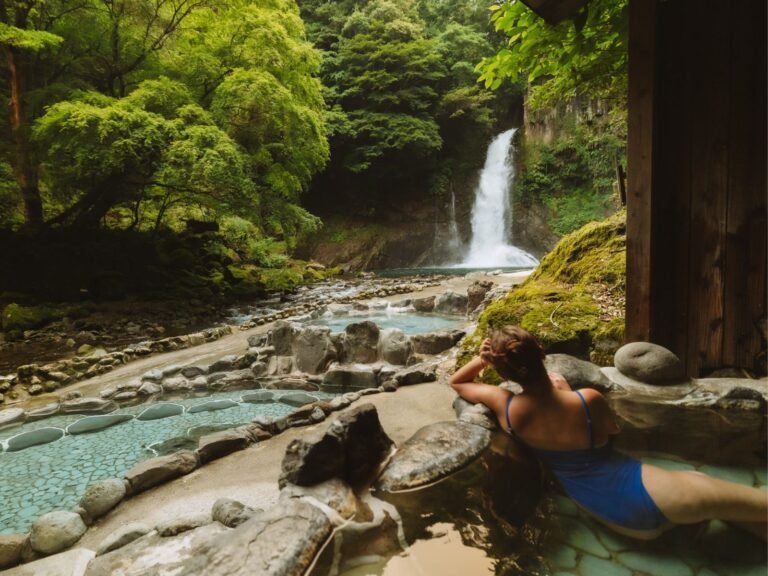
China is having its well-deserved moment across social media right now, yet I am here to tempt you to ditch the cyberpunk cities for the mountains, monasteries, and pandas on this Western Sichuan Itinerary.
Many were confused to find out this is where I chose for my first-ever visit to China, but once you see these otherworldly landscapes that rival some of the world’s most famous National Parks, I must WILL want to book a trip too.
So whether you’re a China first-timer or looking for a new, underrated travel destination, I am bringing together the highlights and mistakes from our recent trip to help you make the most of your week in Western Sichuan: how to get there, unique stays, best food and where to skip.


Quick Overview:
My Ultimate 1 Week Western Sichuan Itinerary
Day 1-2: Dujiangyan
Day 2-5: Siguniang
Day 5-7: Tagong Grasslands
Day 7: Xinduqiaozhen
(in and out of Chengdu)
| Where | Nights | Why Visit |
|---|---|---|
| Dujiangyan | 1 | Get your panda fix |
| Siguniang | 3 | Dreamy National Parks and peaks |
| Tagong Grasslands | 2 | Monasteries along the tableland |
| Xinduqiaozhen | 1 | Rolling hills and riverside picnics |
| Chengdu | Best place to start/end |
What you need to know before booking this Western Sichuan Itinerary

❓Is this Western Sichuan Itinerary right for you?
This is not your typical China Itinerary; it’s for those ready to swap skyscrapers for snow-capped mountain peaks across the Tibetan Autonomous Region.
Essentially, this Western Sichuan Itinerary is right/wrong for you if:
- ✅You want to escape the city crowds and overtourism within China
- ✅Are an outdoor/mountain lover
- ✅Want to immerse in unique Chinese and Tibetian culture and food
- ✅Love hiking and/or being active on holiday
- ✅Still want a good mix of underrated and iconic China experiences – did someone say PANDAS!??!
- ✅Love taking photos (this is paradise)
- ❌You just want Chengdu, Chongqing or Shanghai covered efficiently
- ❌You’d rather base in one or two cities and take day trips from there
- ❌You medically can not travel tohigh altitude
- ❌You want the beachy/tropical kind of nature (Hainan is for you!)
- ❌A first timer with a goal of checking off the classic China hotspots
- ❌Nightlife and shopping are a bigger priority
🗺️ How this Itinerary works
Reflecting on my own week across Western Sichuan, this itinerary is made to slot into your pre-existing China travels just as easily as it is as a standalone for those on a timecrunch. Essentially this is the trip I wish we would have done if I would have known everything before we went.
While it is crafted with best value and access in mind, all of my itineraries encourage flexibility with a range of options, extensions and switches you can make it make it your own – even to mix and match into your broader China trip!
☀️ Best Time to travel Western Sichuan
Timing matters more than you may expect in Western Sichuan as it is truly make or break for the feasibility of this itinerary.
The region, like the tiienrary, changes dramatically with altitude and season. So let me break it down for you:
| Season | Is it Worth Visiting? | The reality |
|---|---|---|
| December–February (Deep Winter) | Conditional | Brutal icy condition make access limited and dangerous to navigate. Unless you are going for an expedition I’d avoid. |
| March–April (Sometimes it doesn’t know) | Lower priority | A transitional period. Some lower areas begin warming up, but high-altitude destinations can remain intense and unreachable. |
| May–June (Summer) | Good option | Wildflowers and warmer conditons begin to bloom but the varied altitudes mean conditions can be scattered. |
| July–August (Rainy Season) | Trade-offs | Lush grasslands, flowers and flowing rivers, but be wary of rain, heavy cloud, landslides and domestic holiday crowds. |
| September–October (Coming into Autumn) | Top choice – When we went | The easiest to manage travel season with clearing skies, flowers lingering and Autumn colours popping. Exact foliage timing varies by elevation, and note that early October is a major Chinese holiday period. |
| November (End of Autumn, start of Icy Winter) | Route-dependent | Quieter season as winter conditions can strike hard and fast. Temperatures fall and some high-altitude routes become unpredictable. |
My recommendation: If it’s your first trip to Western Sichuan and you want the best balance of scenery and practical travel conditions, I’d aim between June-September. We found August to be a sweet spot!
✈️ Booking flights to Western Sichuan
Despitee Daocheng Yading Airport being in Western Sichuan along this itinerary, most people are best off flying to/from Chengdu.
Chengdu is the main gateway to the region, with international connections and plenty of domestic flights. It’s also a fun place to spend a night or two adjusting to China before heading into the mountains!
🚗 Car Hire: What You Need to Know, Is It Essential?
SHORT ANSWER: No, we ran into other tourists on a similar itinerary purely using public transit. Noting you will be a little more limited across lookouts, hikes and timing but it is still possible.
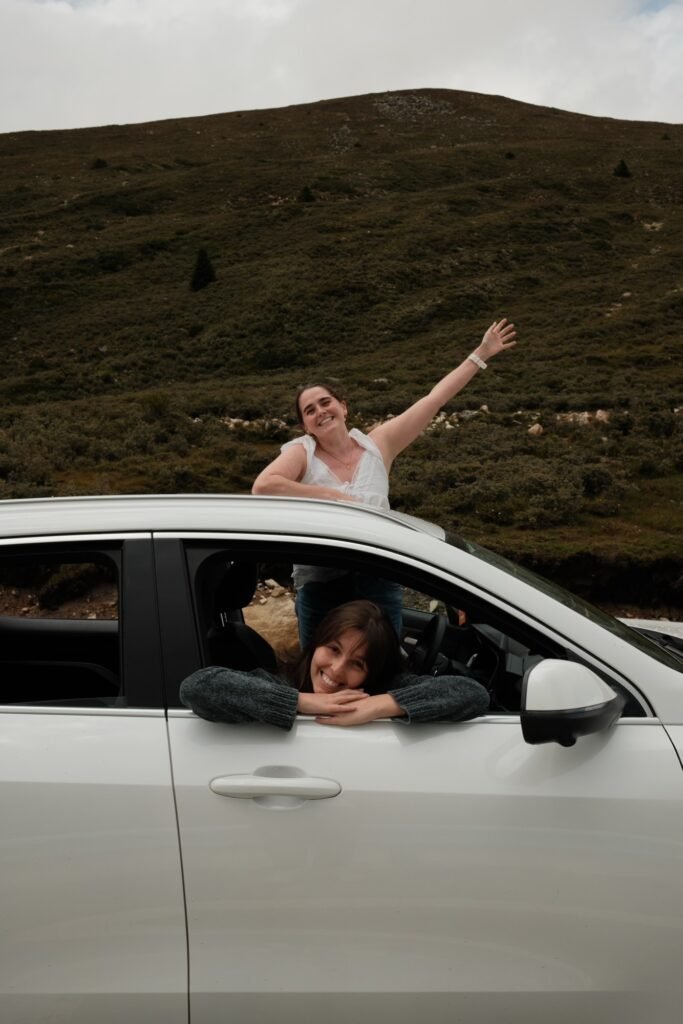
MY REAL TALK ANSWER: There are parts of this itinerary that will save you a lot of time and, surprisingly, money by renting a car. While we originally planned it without, I am so glad we were able to hire one last minute as it did make a lot of difference in how much we were able to see and do.
What to Book/Download before you go
ALIPAY: You need to make sure you have your passport and cards set up before you go. Ours both glitched on our first day, but it was an easy fix with a simple reverification of our passports.
WECHAT: Not only great for staying in contact with drivers, hotels or food delivery during your trip. It is another alternative payment system so again, please please please set it up before you go otherwise, it will not work!
AMAP: Google Maps is pretty useless in China, so you’re going to have ot get used to Amap. It can be a little glitchy with English translation and searching but it definitely provides the most accurate travel times/options. I also found a bunch of hidden hot springs, food recs and lookouts via here!
TRIP.COM: Now my go-to travel booking platform – I even wrote a full review about it! You can not travel China without it.
ACTIVITY TICKETS: We were lucky enough to snag last-minute Panda tickets, but if this is a priority for you, I highly recommend booking in advance as they can sell out
The Perfect 7 Day Western Sichuan Itinerary: Pandas, Hot Springs and Mountains
Days 1–2:
Dujiangyan

Why Dujiangyan?
While Chengdu is your likely starting point, Dujiangyan is the perfect first stop, only an hour away on your way into Western Sichuan.
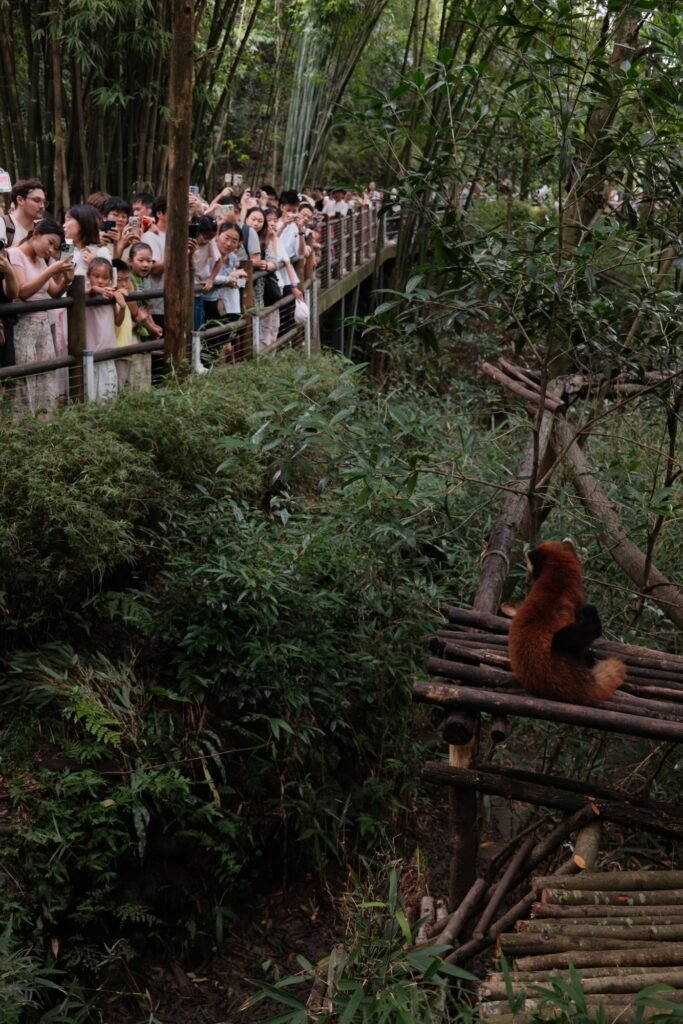
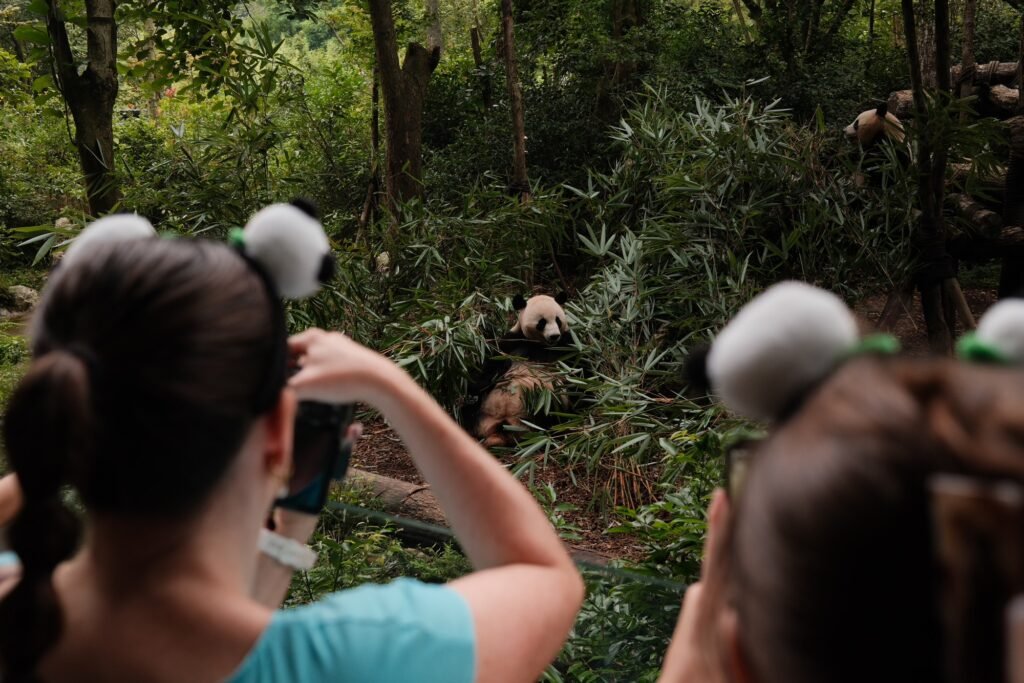
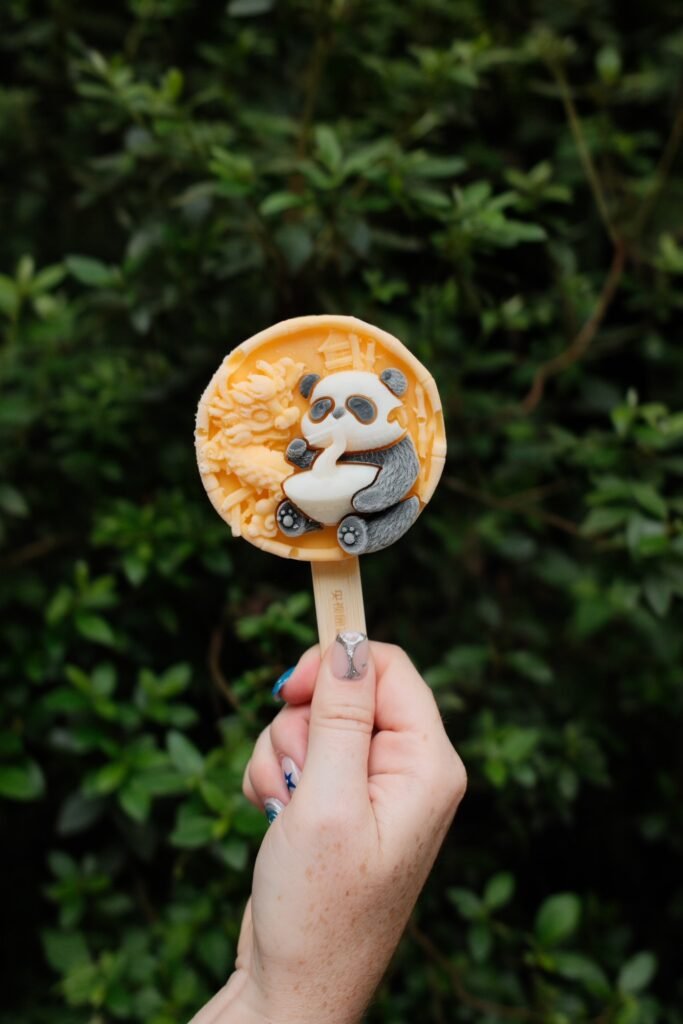
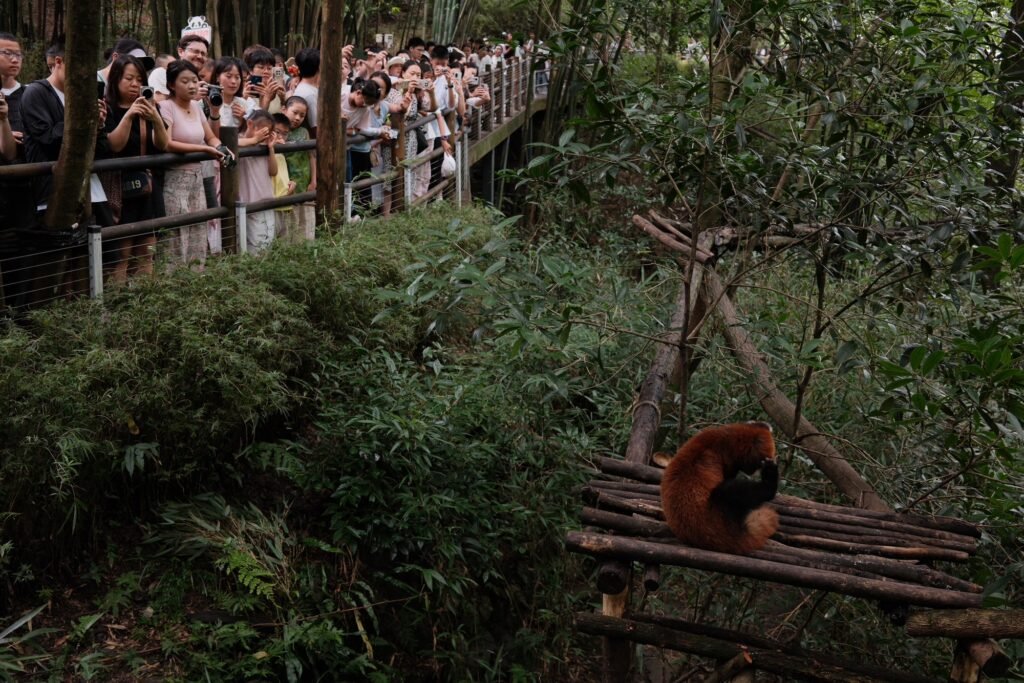
This is your chance to get your panda fix! Unlike the Breeding Base in Chengdu, this is a slightly quieter and much greener experience as you wander through a lush valley to visit Giant and Red Pandas!
To be honest, you don’t really need a reason beyond that, but the city itself gives plenty of its own with ancient charm and unique non-panda-related experiences
Best things to do in Dujiangyan

🐼 CLASSICS in Dujiangyan
- Dujiangyan Panda Base (Panda Valley): The lesser-known conservation and research centre for China’s most famous locals.
- Dujiangyan Irrigation System: Ignore the pandas for a sec… this i the reason this city is so famous! Explore the UNESCO-listed ancient irrigation system, built over 2,000 years ago and still controlling the Min River’s flow today.
- Mount Qingcheng (Front Mountain): One of China’s most famous Taoist mountains
- Anlan Suspension Bridge: Spanning the Min River, with fantastic views of the ancient irrigation system you can take a walk across if you’re brave enough.
- Erwang Temple: Explore this historic temple complex dedicated to the engineers behind Dujiangyan’s remarkable irrigation system.
- Guanxian Ancient City
🎎 UNIQUE Things to DO in Dujiangyan
- Nanqiao Blue Tears: Visit Nanqiao (South Bridge) after dark to see the Min River glowing aquamarine.
- Mount Qingcheng Back Mountain: For nature lovers looking for hikes, waterfalls and traditional villages.
- Zhongshuge Bookstore: Mirrored ceilings and crazy curved bookshelves create an optical illusion that solidifies its spot on Instagrammable bookstore Pinterest boards.
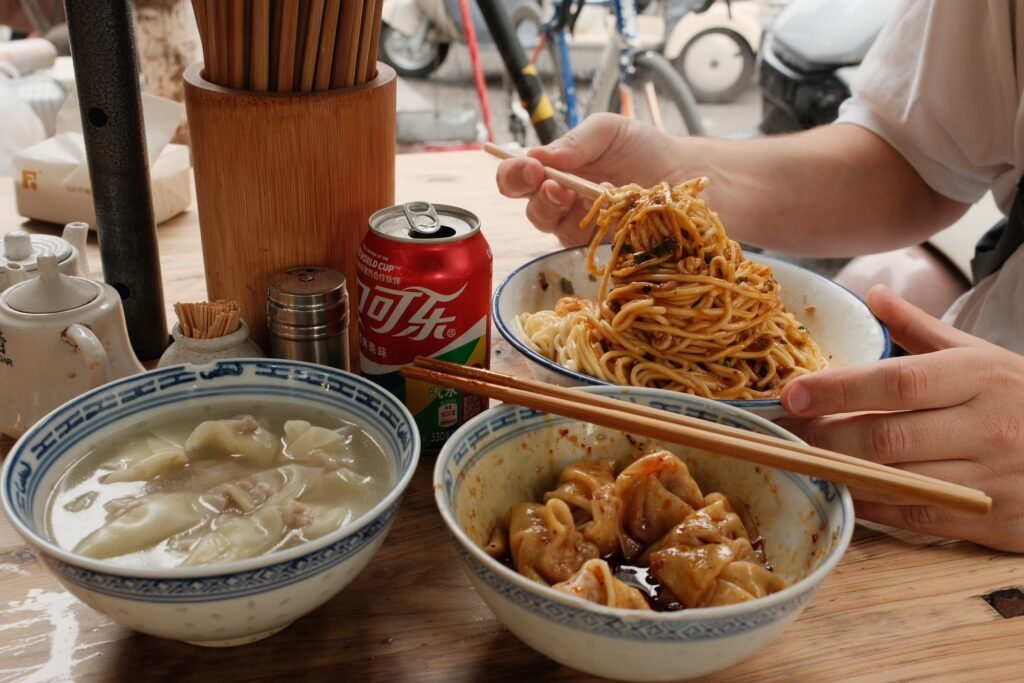
- Food Tour: Look out for spicy rabbit, hotpot, Sichuan noodles and unique street food. See Dujiangyan food tours here.
⭐ My Top Picks and Tips for Dujiangyan
- Get to the Panda Valley as soon as it opens and make your way straight to the Red Pandas – this is when they feed them and all of the animals will be most active in the morning. A total bonus that you avoid the major tour bus crowds too.
Best Places to Stay in Dujiangyan
BUDGET: Anya Mantu Hotel
MID-RANGE: YunTuHotel
UNIQUE: Hidden Cloud Villa · Qingcheng Cliff Hot Spring Resort (Dujiangyan Scenic Spot)
LUXURY: Six Senses Qing Cheng
Dujiangyan FAQ
🚄 High-speed train: The easiest option. Around 20–40 minutes from Xipu Station to Lidui Park or Dujiangyan Station. Book China Trains via Trip.com
🚗 Private transfer/taxi/car: Around 1–1.5 hours depending on traffic.
🚌 Bus: Around 1–2 hours depending on traffic and departure point. A budget-friendly alternative, but generally less convenient than the train.
IMO, the Dujiangyan Panda Valley wins all around. From nicer scenery to fewer crowds and more panda action, all for only $10!!!
We only spent the day with the pandas, but there is so much more I wish I got to explore here that I believe is worthy of an overnight stay for your itinerary here.
Of course, with trains, buses, day tours and/or a simple car ride away, you could easily do this as a day trip. Or, like us, a stop on the way into the mountains. However, the blue tears seem worth staying until the evening to see.
Guanxian Ancient City: Best overall, with easy access to Nanqiao Bridge, the Irrigation System, restaurants and shops.
Mount Qingcheng: Best for nature lovers, mountain scenery, hot spring resorts and a quieter stay.
Around Lidui Park Station: Best for convenient train access and exploring Dujiangyan’s main attractions.
My Dujiangyan Experience
Day 2-5: Siguniang
Peak National Park Paradise
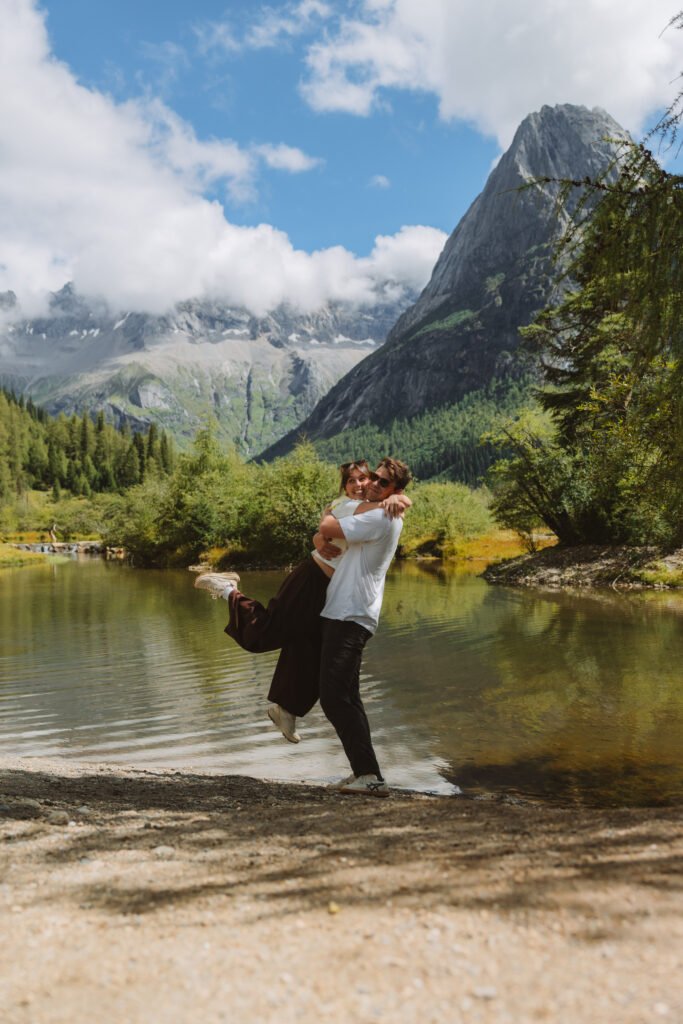
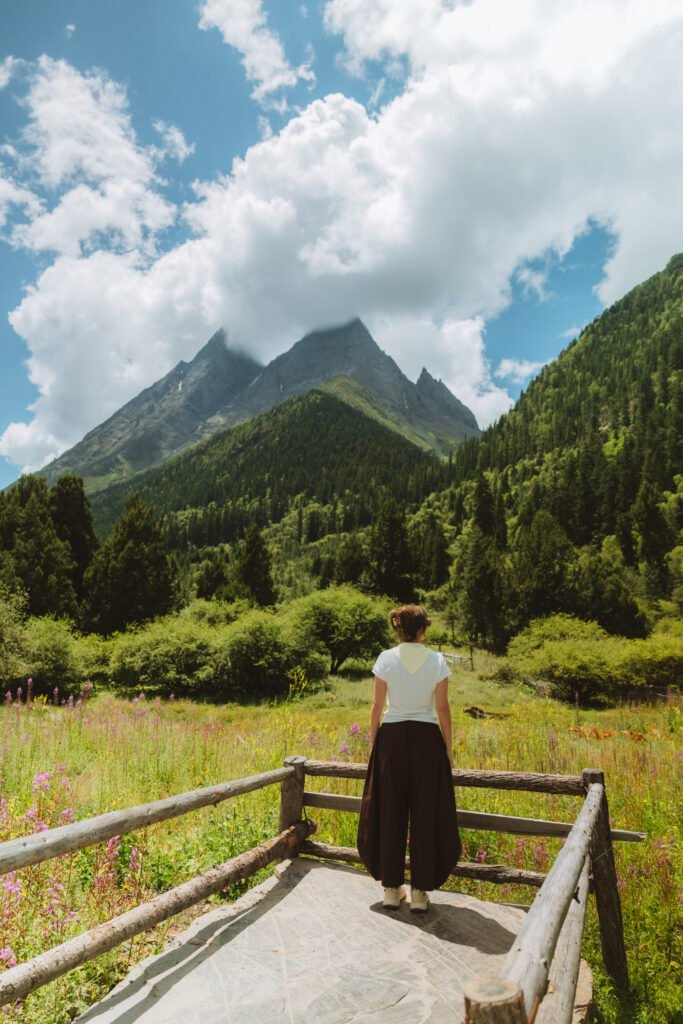

Why Siguniang?
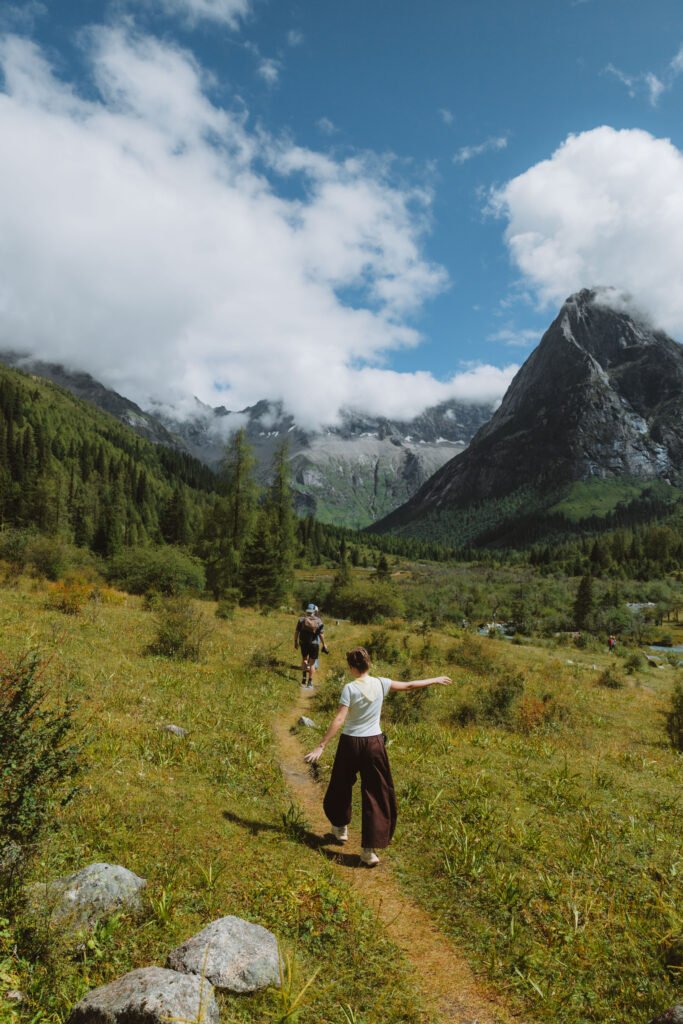
Siguniang feels like a mix between Yosemite National Park, New Zealand’s South Island and the Dolomites all in one easily accessible package. In fact, it’s known as the “Alps of the East”
Well, all in it’s 3 main scenic valleys:
– Shuangqiao Valley: the largest, most developed, and most accessible, with its own bus route between trails and my fave river rafting!
– Changping Valley: Home. tothe msot iconic ‘Four Sisters Peak’ views BUT buses are banned past the valley entrance. Instead, you explore entirely on foot or by renting local Tibetan horses.
– Haizi Valley: more advanced expeditions for high-altitude lakes and more challenging treks.
Best Things to do in Siguniang
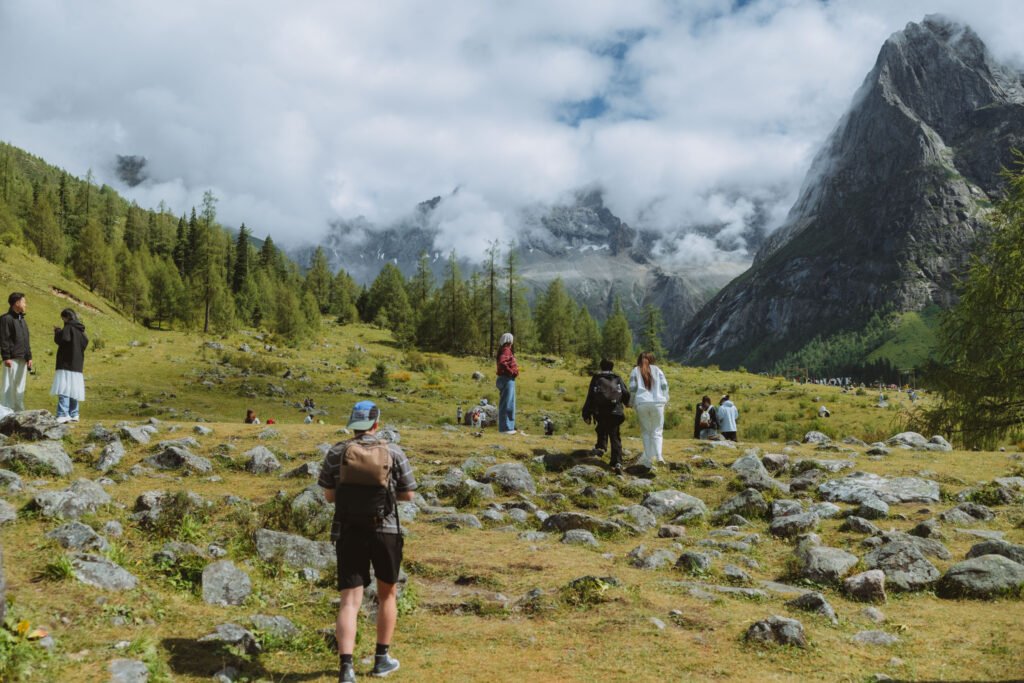
🏕️ CLASSIC Things to do in Siguniang
- Shuangqiao Valley: Grab the bus into the most popular valley of them all
- Changping Valley: If you’re looking for more off-the-trail hikes and famous peak views
- Haizi Valley: Goodluck
- Four Sisters Mountain: The region’s famous four dramatic snow-capped peaks, including the mega 6,250m Yaomei Peak.
- Siguniang Mountain Town (Rilong): The town comes alive at night with hot pot restaurants, bars and people all making their way back from the national park.
🏞️ UNIQUE Things to Do in Siguniang
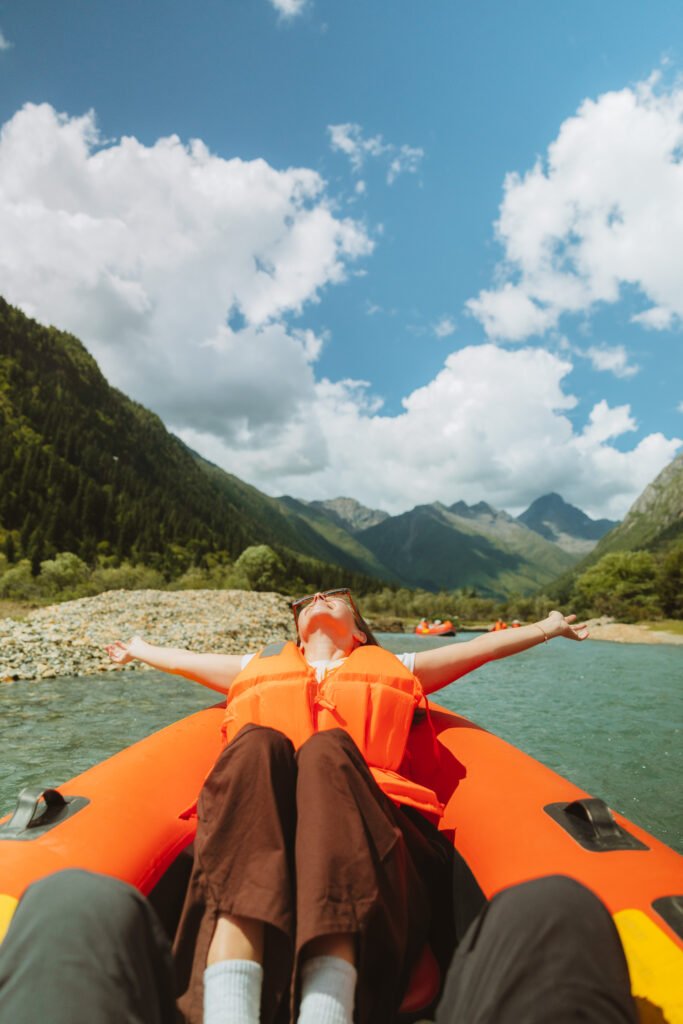
- River Rafting in Shuangqiao Valley: No, I will not shut up about it because it is the best $15 I’ve spent to float down the river surrounded by towering mountains for 30 minutes.
- Horse Trek Through Changping Valley: Honestly, you could horse trek almost everywhere in this Western Sichuan itinerary
- Stay in a Tibetan Homestay
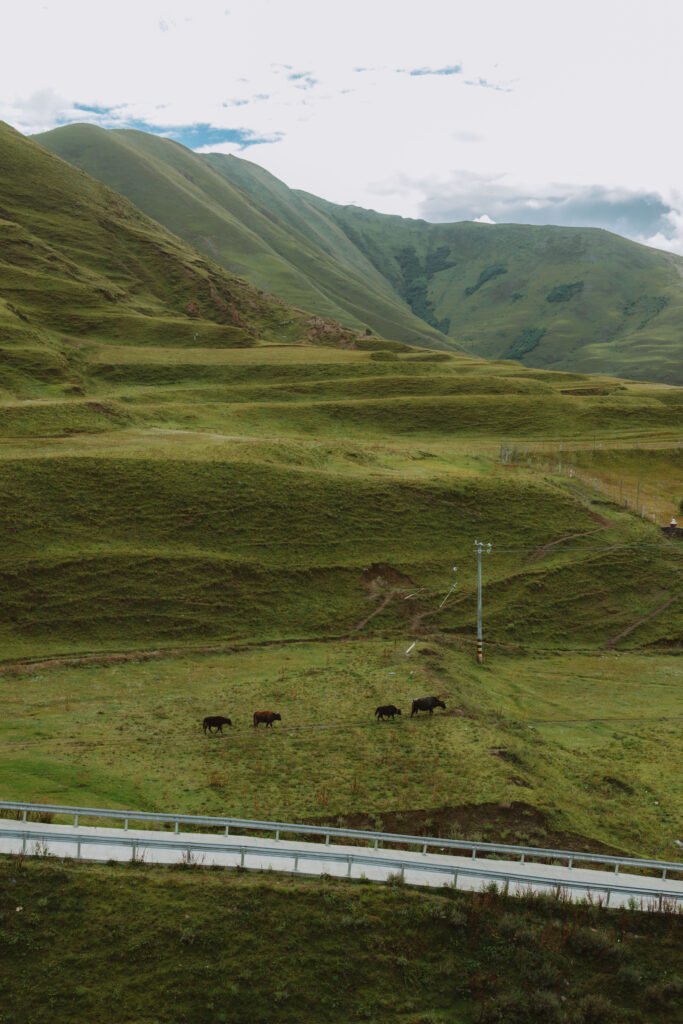
- Yak Spotting: You won’t be short on opportunities throughout your trip. BONUS points to try the local yak stew
⭐ My Picks & Tips for Siguniang
- Visit the bar where dogs are the staff: This is not a dog cafe, instead, these local dogs come and go as they please and you can read all about each of them when you scan for the menu!
- River Rafting in Shuangqiao: NO I won’t shut up about it, is was so much fun.
- Try Yak Kebabs: Unfortunately, it was closed when we tried to visit but if you go I need someone to report back because I am so intrigued and they sounded so good!
Where to stay in Siguniang
BUDGET: Chang Ping Inn (Four Girls Mountain Scenic Area)
MID-RANGE: Ten Miles of mountains and rivers light luxury B&B Siguniang
UNIQUE: Yishan – Oxygen Bathing Smart Private Hot Spring Hotel
LUXURY: Four Goddess Mountain Cloud View Fan’s Lodging
Siguniang FAQ
🚗 Private transfer/driver: Takes approximately 4–5 hours depending on traffic, weather and road conditions. Popular, easy, but can be expensive.
🚌 Bus: Around 3 hours from Dujiangyan Passenger Transport Centre to Siguniang Mountain Town (Rilong). Tickets cost approximately ¥105 one way.
🚙 Self-drive: Around 3.5–4 hours via Yingxiu, Wolong and the Balangshan Tunnel. Roads are paved but winding, with changing mountain weather and road conditions to consider.
🚌 Bus: Buses and tourist transfers operate from Chengdu towards Siguniang Mountain Town (Rilong). Allow approximately 5–6 hours, depending on the departure point and road conditions.
🚐 Private transfer: More options on Trip.com
🚗 Self-drive: Around 5–6 hours
🚄 Future train: A new scenic railway connecting Chengdu with the Siguniang Mountain region is under construction and it looks INSANELY IMPRESSIVE!
Anywhere within Siguniang Mountain Town (Rilong).
Siguniang Mountain Town (Rilong): Approximately 3,160 metres.
Shuangqiao Valley: Around 2,900–3,800 metres.
Changping Valley: Around 3,200–3,800 metres.
Haizi Valley: Around 3,200–4,600 metres.
Mount Siguniang’s highest peak (Yaomei Feng): 6,250 metres.
For most Shuangqiao Valley will be your best, easiest and safest option, especially when still adjusting to altitude.
Yes, you can even explore the entire Shuangqiao Valley without hiking, as it has a hop on/off bus loop. Although my fave mode of transport was the river rafting here. Siguniang has scenery and hikes for every level.
My Siguniang Experience
Day 5-7: Tagong
Tablelands, hidden hot springs & Monasteries
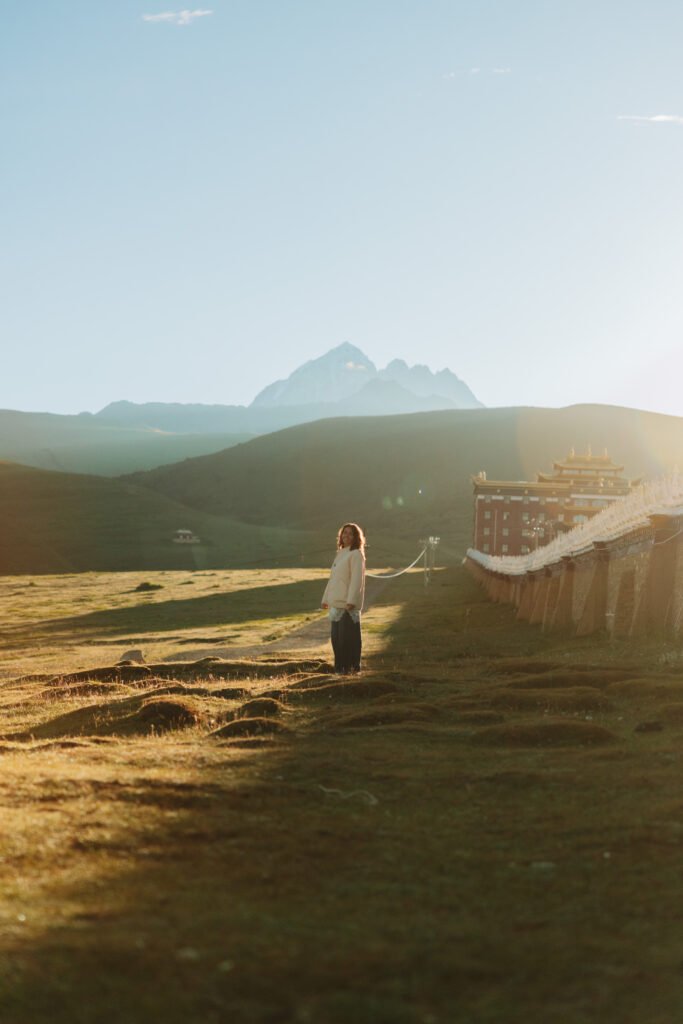
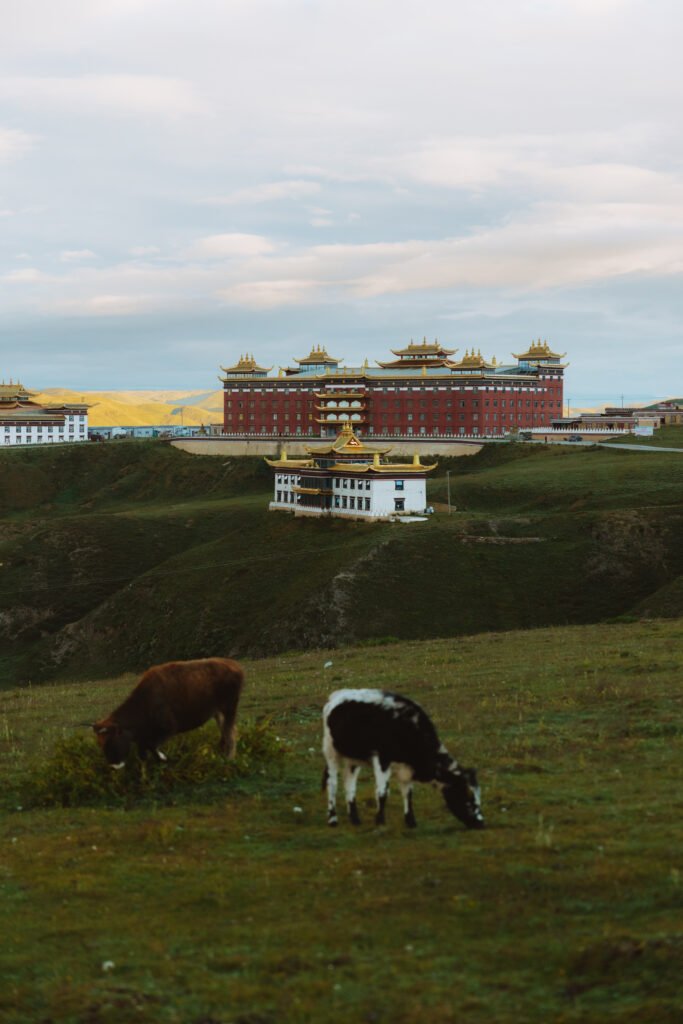
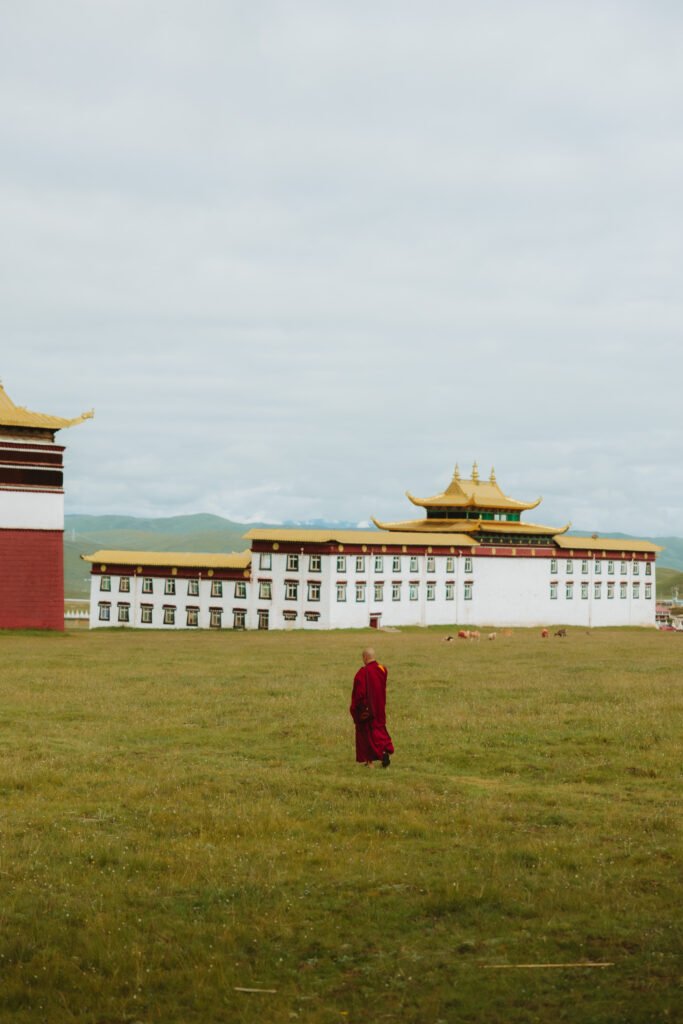
Why Tagong Tablelands?
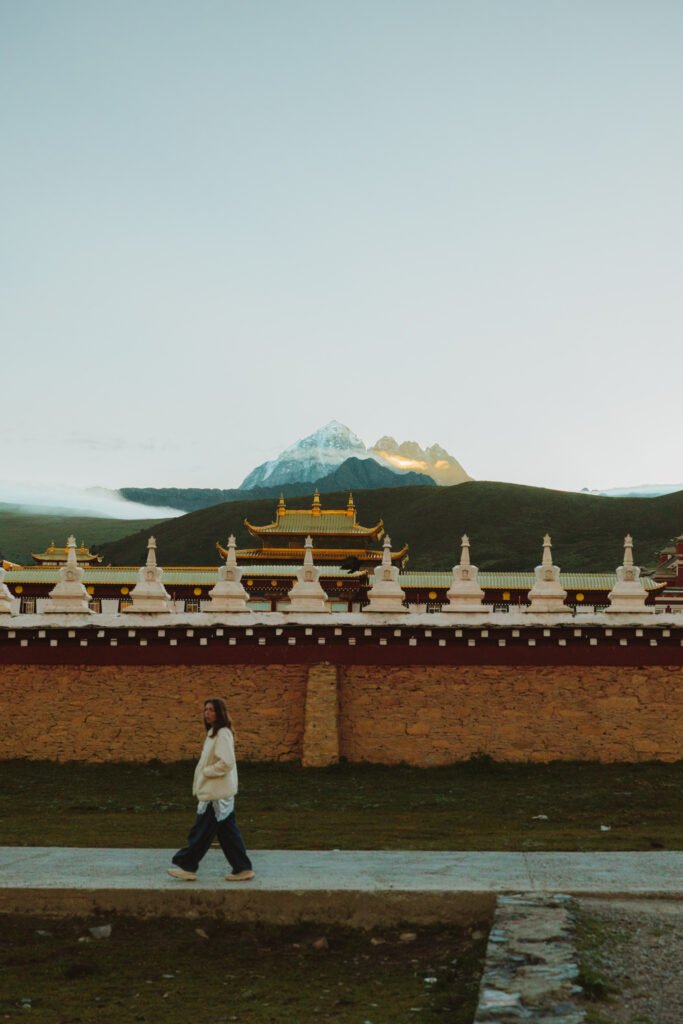
This is arguably the most iconic stop within the Garze Tibetan Autonomous Region along your Western Sichuan Itinerary.
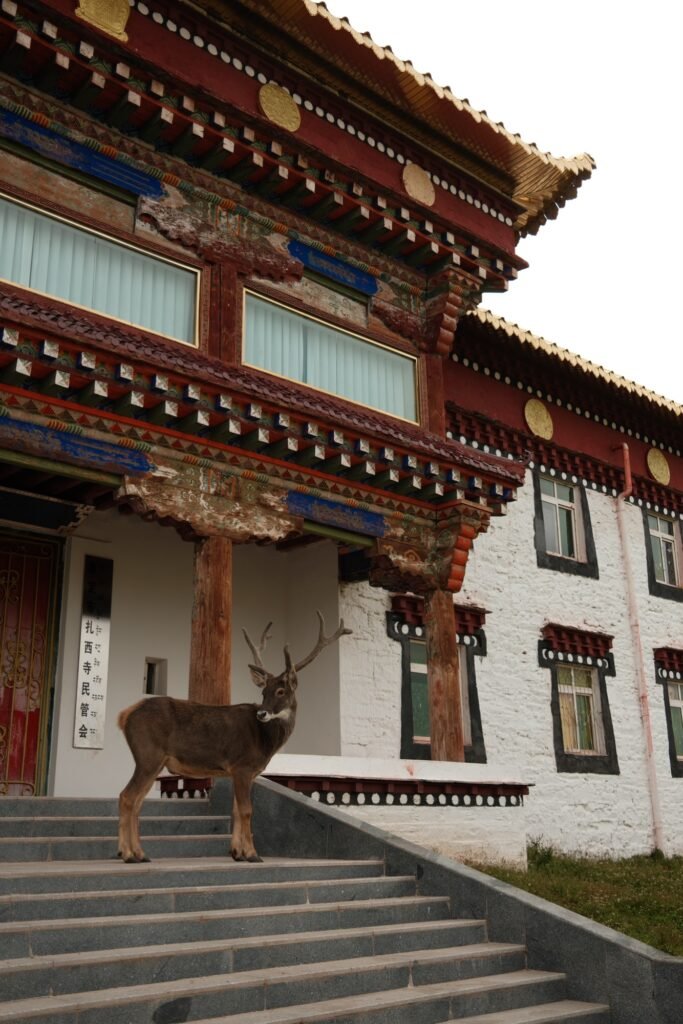
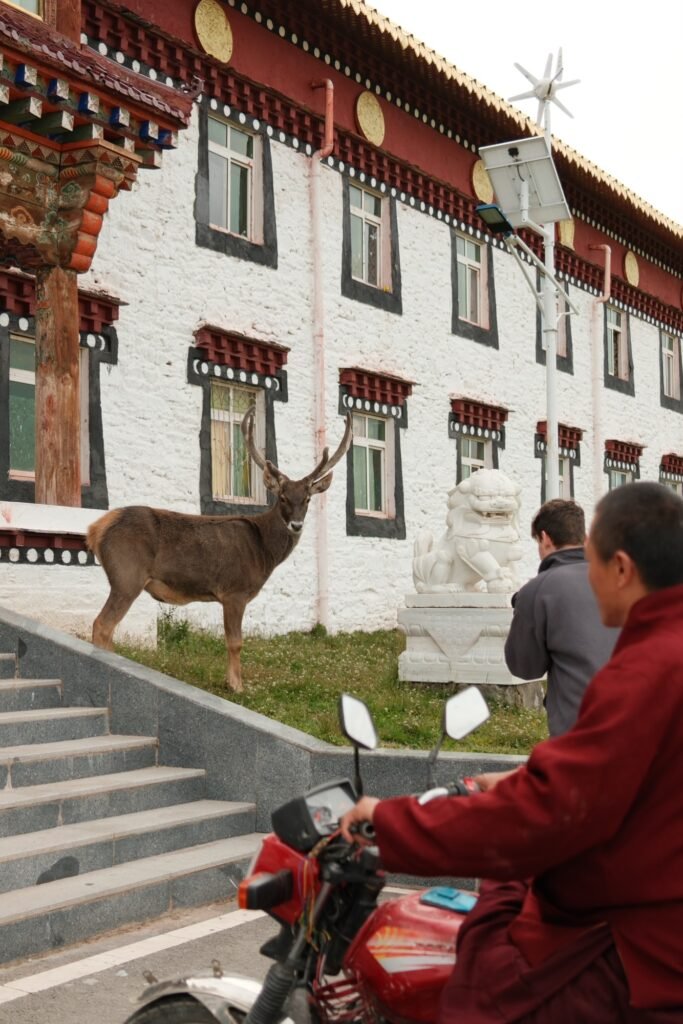
Despite sitting at 3,900m above sea level, you are on a plateau of rolling hills with distant snow-capped peaks spying on you from afar. Landscapes you feel you have only ever seen in your dreams (Seriously, a deer was walking around the monasteries and monks were playing basketball!)
And just wait until you start getting lost exploring around it!
Best Things to do in and around Tagong
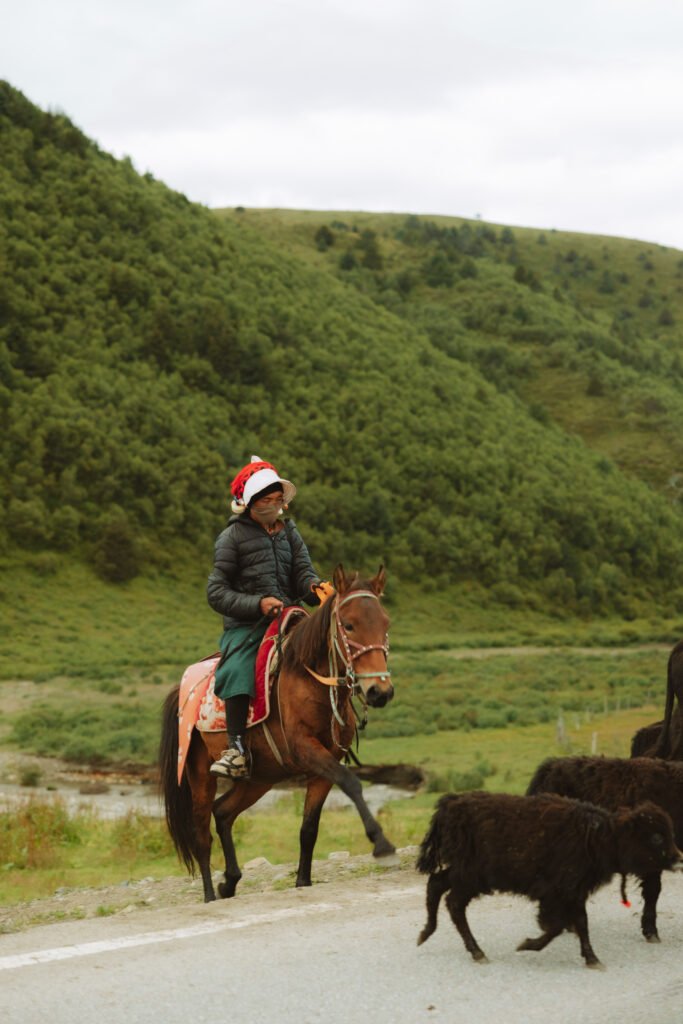
🏔️ CLASSIC Things to Do in Tagong
- Tagong Grassland: Explore the vast alpine grasslands surrounding Tagong, with sweeping views of snow-capped mountains, grazing yaks, wildflowers and traditional Tibetan nomadic tents.
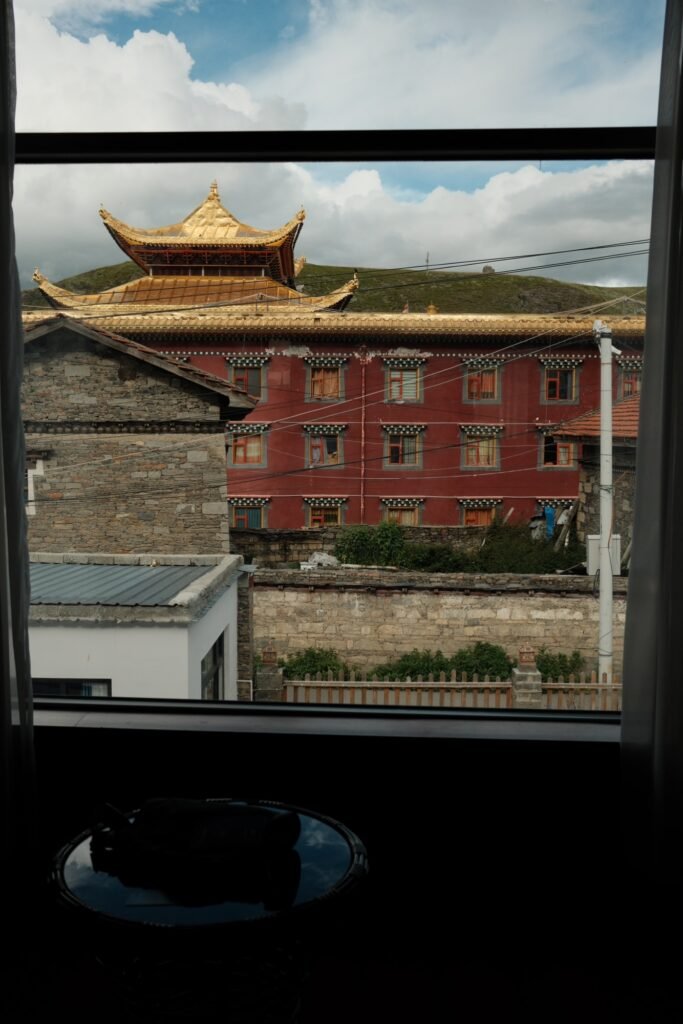
- Tagong Monastery (Lhagang Monastery): Visit one of the area’s most important Tibetan Buddhist monasteries in the heart of the town. I was shocked to see they even have a mascot… Marmots!?
- Muya Golden Pagoda: If you look up a photo of Tagong, you are bound to see the striking golden Buddhist pagoda perfectly lined in front of the Gongga Mountain range. No photos can do its scale justice nor the life that fills it.
- Yala Snow Mountain: Take in views of this spectacular 5,820-metre mountain, one of the region’s most recognisable peaks and a highlight of the surrounding Tagong landscape.
- Huiyuan Monastery: Discover this historic Tibetan Buddhist monastery, also known as the Gartar Monastery, with an important place in the history of the Qinghai-Tibet region.
🏞️ UNIQUE THINGS TO DO in Tagong
- Dress Up in Traditional Tibetan Clothing: There are a bunch of local studios and hire shops around to get you dressed up in traditional outfits you can wear around town for a photoshoot.
- Horse Riding Across Tagong Grassland: Ask local operators about guided rides and routes.
- Visit a Tibetan Nomadic Tent: Get a glimpse into traditional pastoral life and, where welcomed, experience local hospitality over yak butter tea or a warming cup of Tibetan tea.
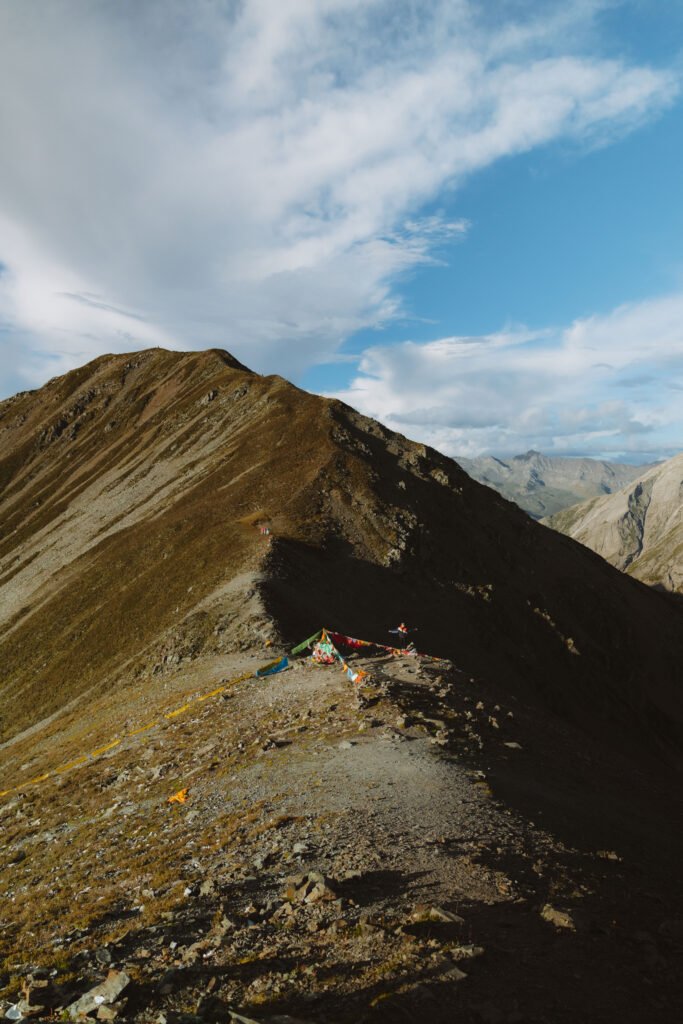
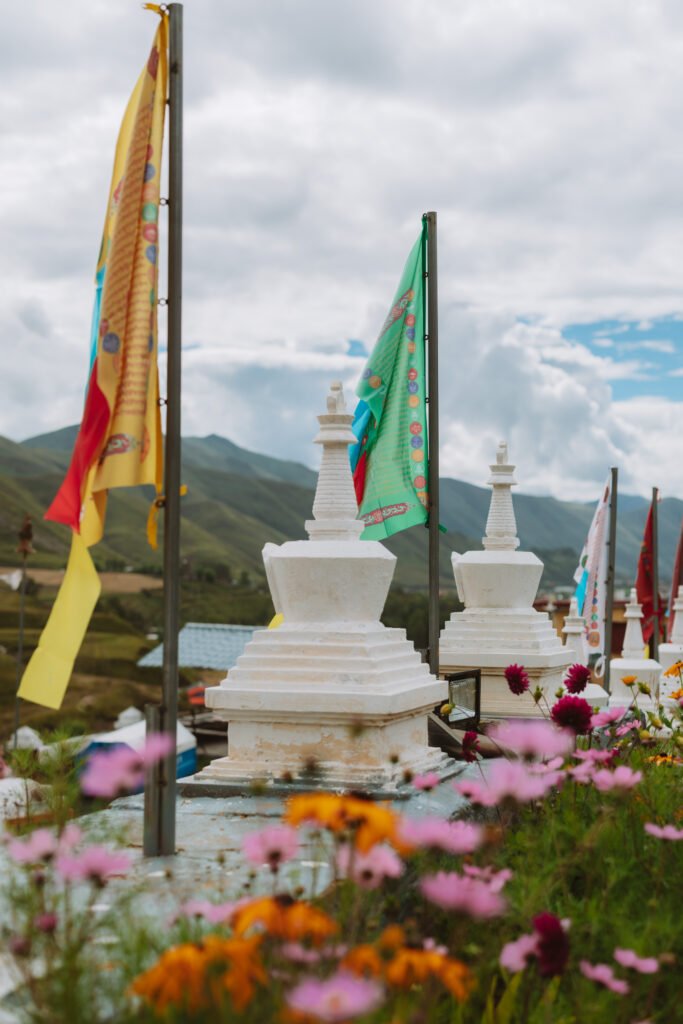
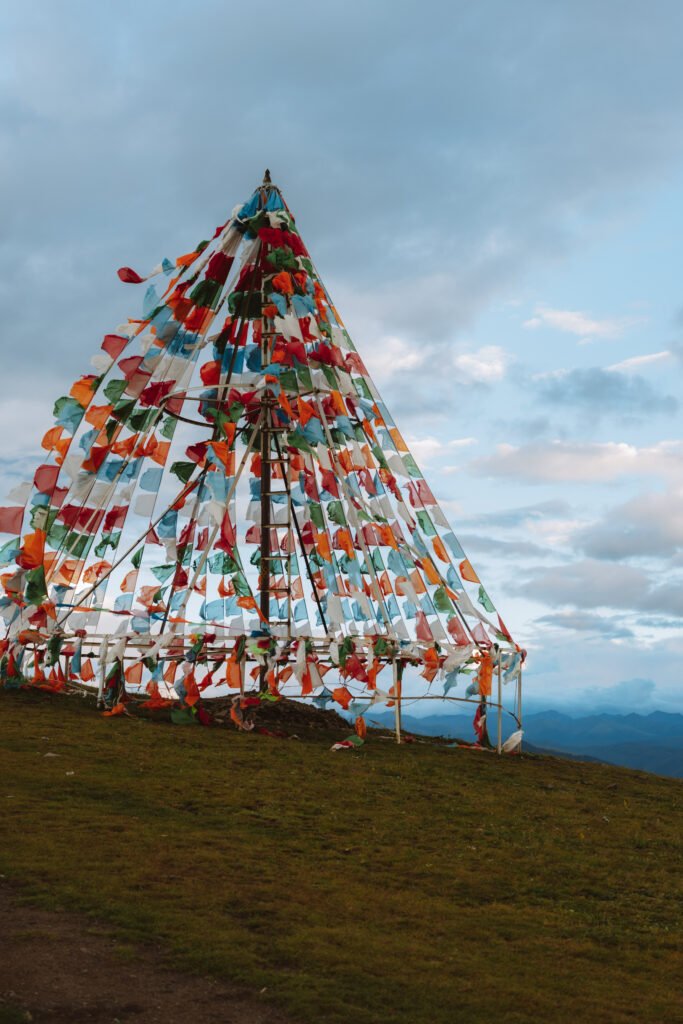
- Chase the Prayer Flags: The colourful flag structures are made for the wind to carry prayers across the mountains. You will spot them in all sorts of places along your trip, but the landscapes and colour contrast here are my favourite.
♨️ SURROUNDS – Best places to visit near Tagong
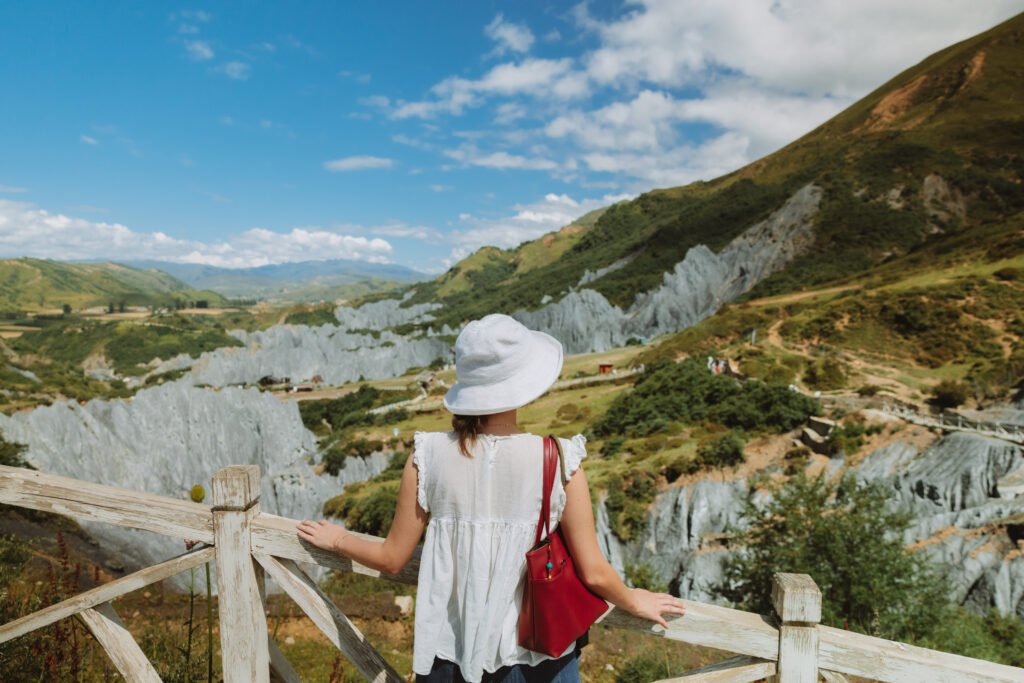
- Moshi Park (墨石公园): Step onto the moon in Moshi Park’s otherworldly landscapes that feel a world away from Tagong’s grasslands yet are only a 30-minute drive away.
- Yala Jokul Hot Spring: Relax in natural hot spring waters surrounded by the dramatic mountain landscapes of the Yala region. A lovely way to unwind after exploring the high-altitude countryside.
- Yala Mountain Peak: Yes I mentioned this already but it is technically a 1-2hr crazy, stepp, winding mountain drive away so you may want to double-check the feasibility of this one for your roadtrip.
⭐ My Picks & Tips for Tagong
- Mornings at Muya Golden Pagoda: We came for sunrise mostly to watch the mountain glow behind the monastery, yet my highlight came a little later when they opened the doors for us and we could roam around this mega complex. Spotting deer and yaks roaming around and the monks running late to their morning classes.
- Try an Egg cooked in a hot spring: Yala Jokul Hot Spring had a dozen or so eggs cooking away in its boiling waters. Probably a good idea to visit on a cooler day because it felt like my legs were cooking in that water too haha
Where to stay in Tagong
BUDGET: Zanbancang Yalagabo Golden Summit Chinese Inn – we loved our stay here at this simple guesthouse. Rooms were massive, hosts were helpful and location was perfect (with temple views to match!)
MID-RANGE: Pokhara Wisdom Hotel – Amazing views with a modern traditional design
UNIQUE: Youjian Mountain Manor – Stay in funky mountain-view wooden tents
LUXURY: Manglan Haven · Taling Habitat (Tagong Monastery · Tagong Grassland Scenic Area) – well, also unique as you stay in the luxury hotel built within the monastery!
Tagong FAQ
We ran into another tourist travelling purely by public transport who was having the time of their life. HOWEVER, there is SO MUCH to do in this area that you really need a car to access some of the best lookouts, experiences and unexpected views. Don’t worry if you are not already on a roadtrip, there were a bunch of eager drivers waiting near the main square in town.
🚗 Private transfer: The easiest option, taking approximately 5–7 hours depending on road conditions.
🚌 Public transport: Travel from Rilong to Danba (around 2–3 hours), then catch a connecting bus from Danba to Tagong via Bamei (another 2.5–3 hours). Budget approximately ¥109 in total for both bus legs. BONUS TIP: Danba is an amazing place to extend your trip if you have an extra night spare – the traditional guesthouses are magical!
🚐 Shared minivan: A more flexible alternative, with shared vehicles available locally or through guesthouses.
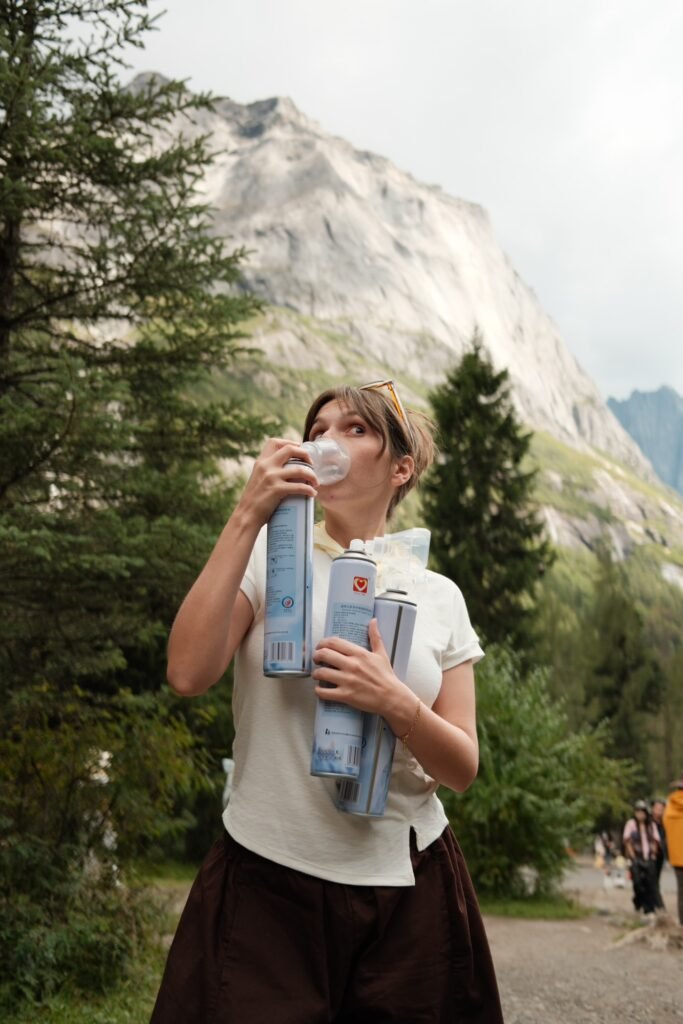
Yes, this is the highest point on your trip and you will definitely feel it. Short of breath, headaches, lack of sleep, general travel exhaustion in the mix too – it is so important to take it easy and look after yourself. Know your limits.
Tagong Town gives you the best options for transport, food, activities and is the ideal hub for the area. If you don’t mind being a little further out, there are a bunch of unique stays and hotels with unbelievable views I will be very jealous if you get to stay in.
My Tagong Experience
Day 7: Xinduqiaozhen
Riverside picnics & rolling hills
Why Xinduqiaozhen?
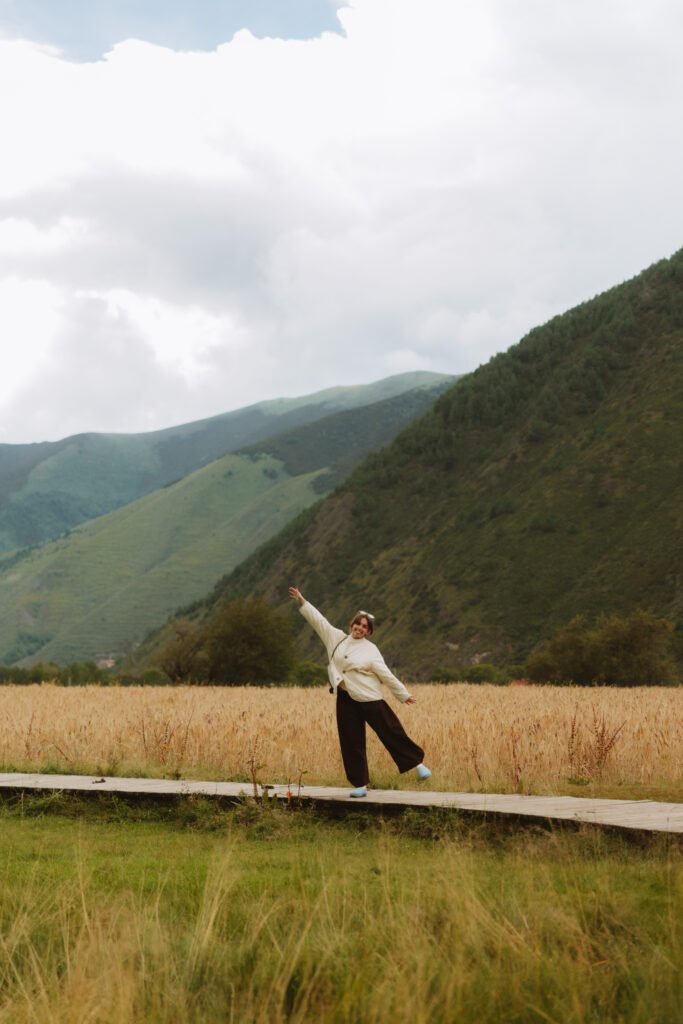
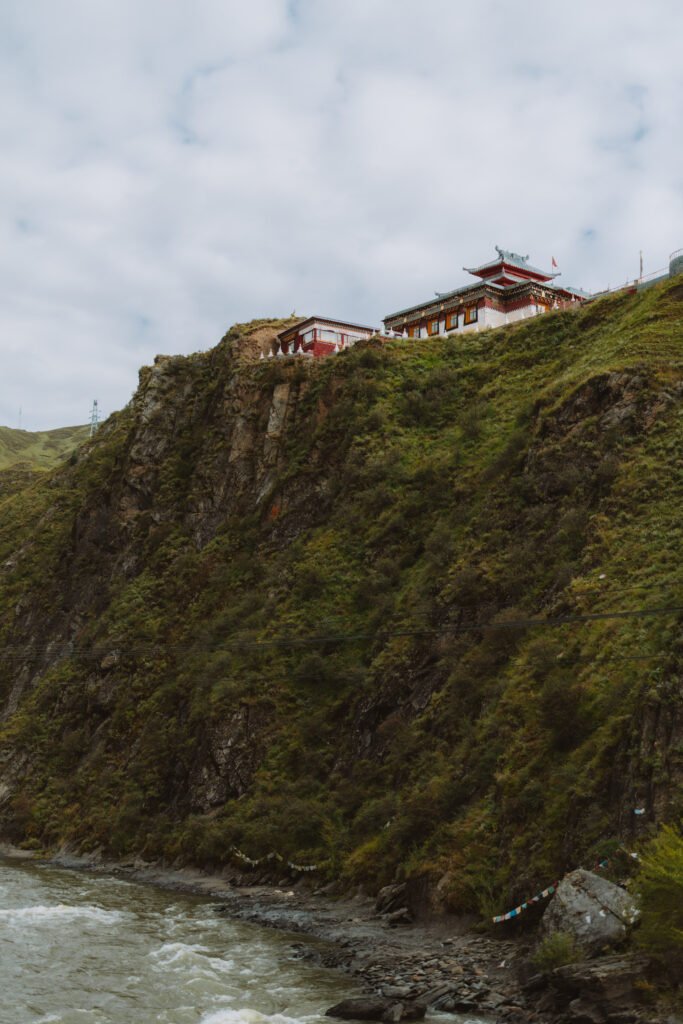
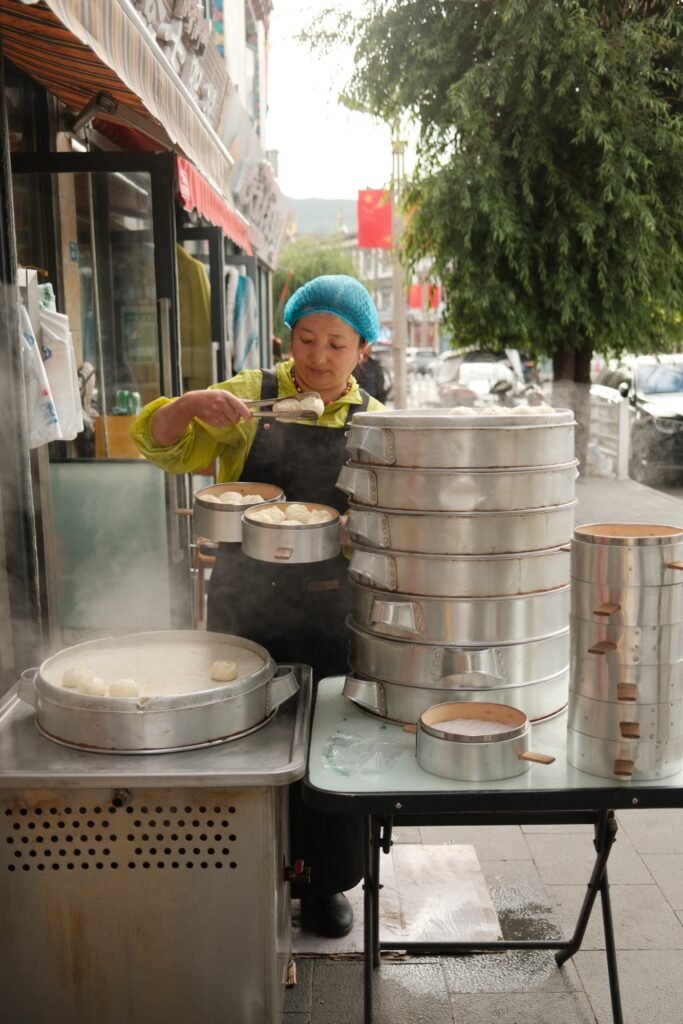
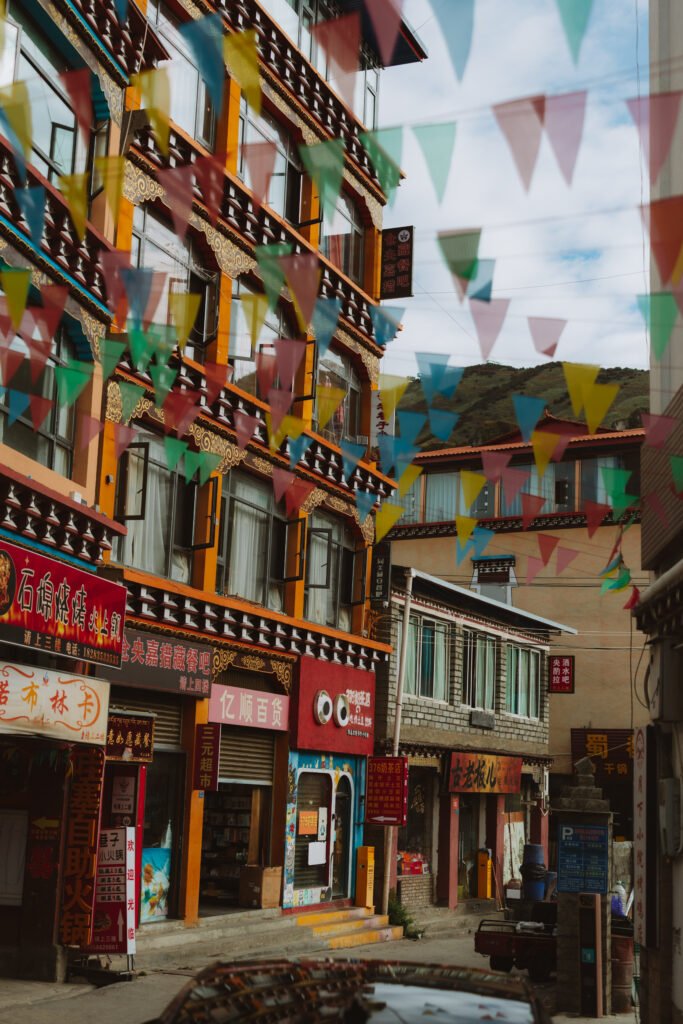
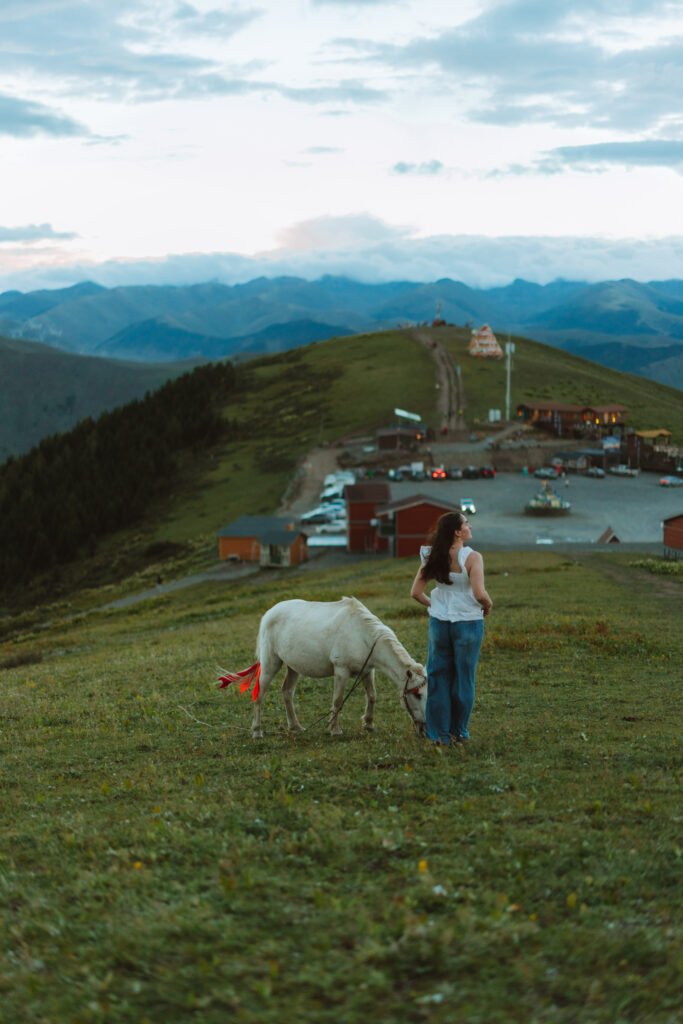
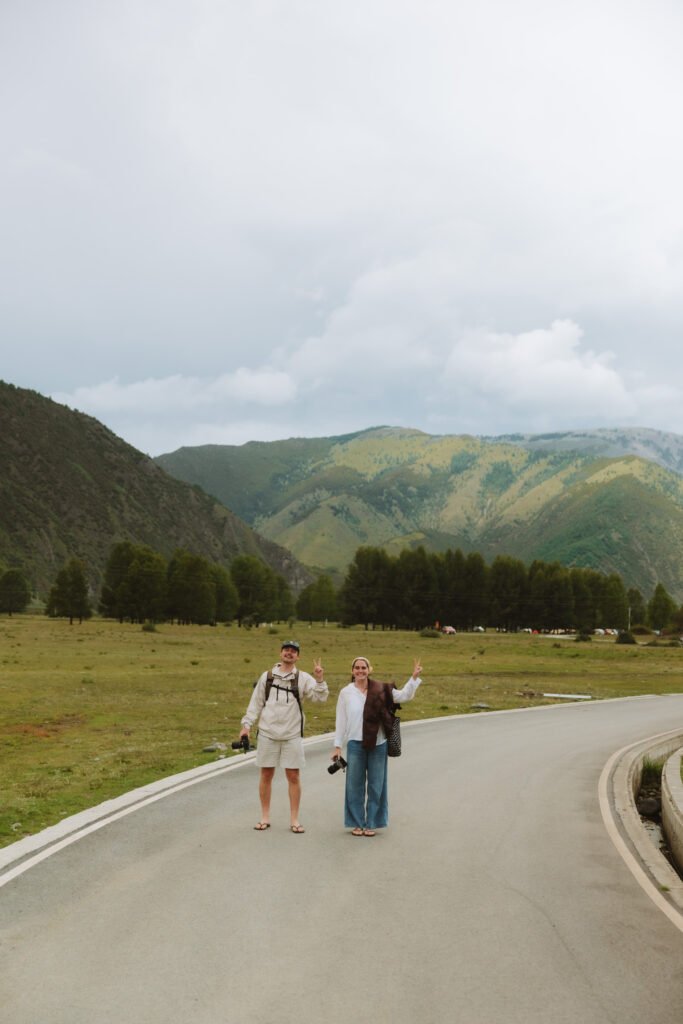
Originally booked as a good midway stop on our Western Sichuan itinerary, it proved itself to be a real underdog with so many underrated mountain lookouts, riverside picnic culture and diverse landscapes.
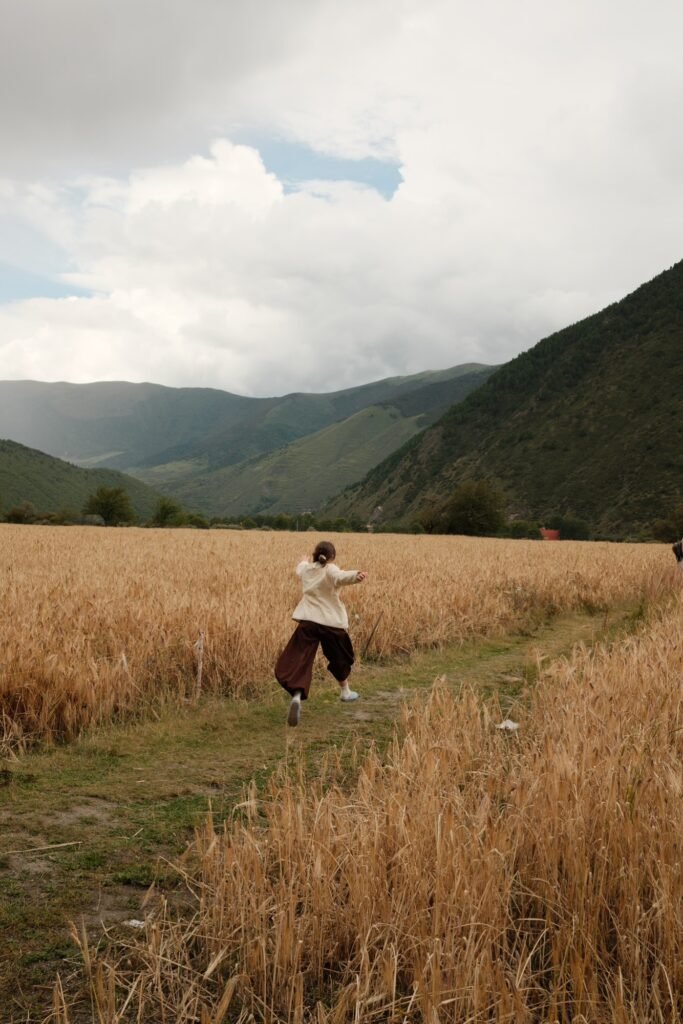
Although we were treated to gently wrinkled green hills and tall wheat fields along flowing rievrs, Xinduqiaozhen apparently even more magical as a Golden Autumn Hotspot coming into October.
Best Things to do in Xinduqiaozhen
🏞️ CLASSIC Things to Do in Xinduqiaozhen
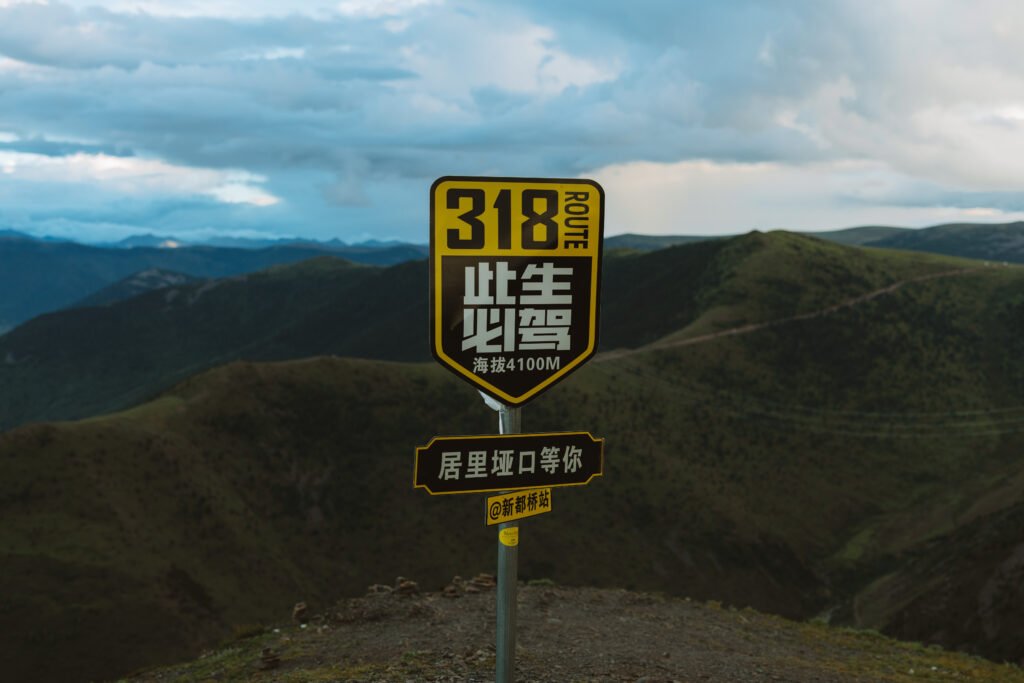
- Xinduqiao Photography Corridor (新都桥摄影长廊): The famous stretch of G318 around Xinduqiao. If the name didn’t gie it away, it is a photographers dream.
- Yuzixi (鱼子西): One of the most popular lookouts in the area for views towards Mount Gongga and surrounding snow-capped peaks. It’s especially popular for sunset and stargazing, although weather and road conditions can make access difficult (and a little scary tbh)
- Gedilamu Sky City (格底拉姆天空之城): A high-altitude photo spot with mountain views and various photo installations. Like many of the famosu photo spots around somewhere like Mt Fuji, this too is more of a curated viewpoint experience than a pure wilderness attraction.
- Zheduo Mountain Pass (折多山): Between Kangding and Xinduqiao will have you wanting to stop to take a photo at every windy corner.
- Mount Gongga viewpoints: On clear days, look on AMAP or ask your guesthouse hosts for viewpoints around the Xinduqiao–Yuzixi area with views towards Mount Gongga (Minya Konka).
🌿 UNIQUE THINGS TO DO in Xinduqiaozhen
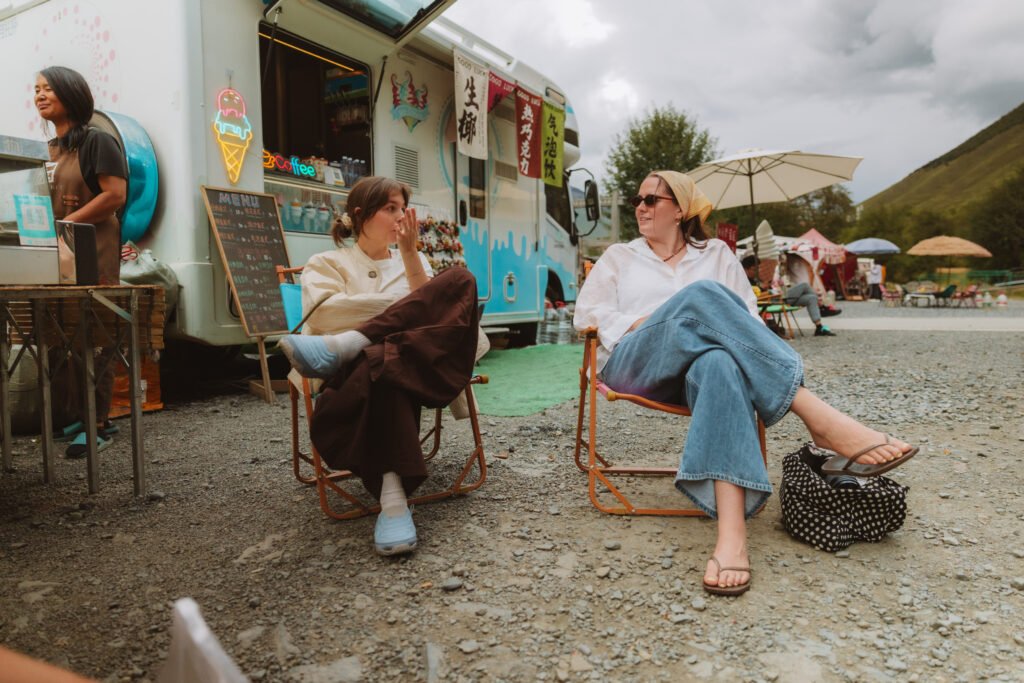
- Day camping in the grasslands: Though you may not travel with your full camping gear, it is simply fun watching the crazy set ups domestic tourists have the maximise their riverside relaxation along the grasslands. If your lucky there are usually a few fresh fruit or food trucks around too.
- Riverside picnic along the Xianshui River (鲜水河): Explore the river and open valley scenery around Xinduqiao. There are many public spots to set up for a day and enjoy.
- Golden poplar tree lanes: Spot the smaller roads branching off G318 around Xinduqiao’s Tibetan villages, this is where it turns into an Autumn paradise.
- Sunset at Yuzixi: You are spoilt for lookouts and mountain views here.
⭐ My Picks & Tips for Xinduqiaozhen
- Visit the morning markets in Xinduqiaozhen town
- Monk Car Wash: Forget frat boys, we were coming down the mountain from a very dusty lookout when we could not pass up the opportunity to have monks wash our car.
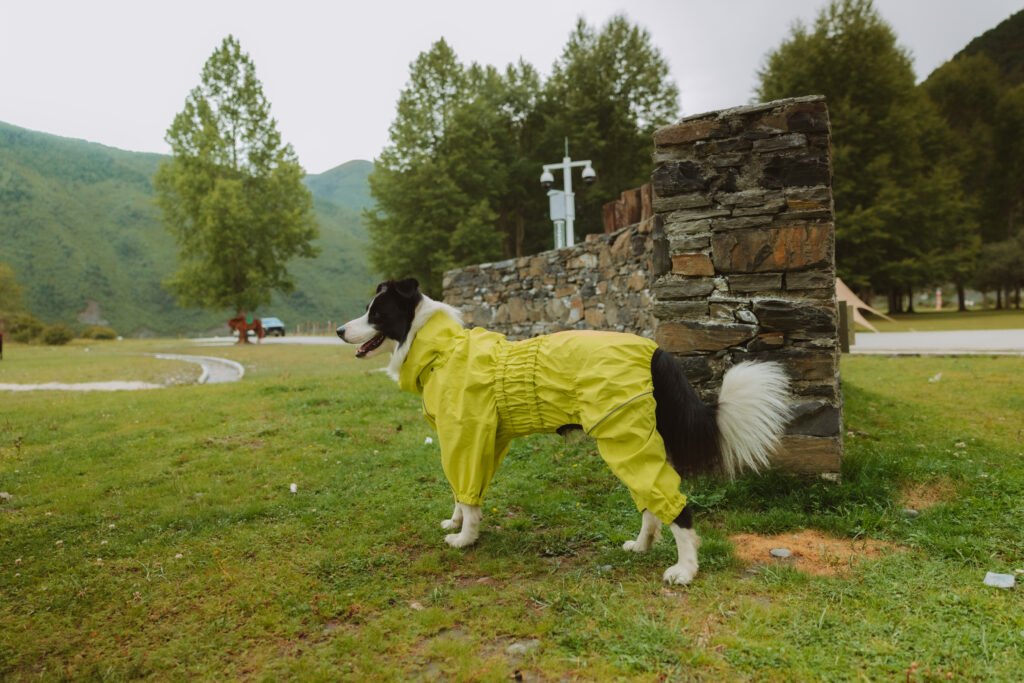
- Coffee dates at popular day campaign spots: You will often find a cute coffee van parked up around these riverside camps. I was so happy sitting on a tiny fold out chair, sipping away watching families, pets and even monks relaxing around us.
Where to stay in Xinduqiaozhen
BUDGET: Xinduqiao Homestay – The hosts looked after us here with lots of great lookout and food recommendations. Simple, comfortable and spacious.
MID-RANGE: Homeinn Plus Hotel
UNIQUE: Kangding Xinduqiao Town Zeren Bengzeng Photography Hotel – Panoramic rooms at the top of a mountain with Guangongga Peaks view
LUXURY: PARADISE NAMKHA RESORT HOTEL
Xinduqiaozhen FAQ
🚗 Private transfer/drive: taking approximately 1–1.5 hours depending on road conditions.
🚌 Green minivans / local shuttles: Around ¥25 per person. Frequently run between the two towns and can often be flagged down along the main road or arranged near central Tagong.
🚌 Local buses: Around ¥10 per person. Regional buses operate between Tagong and Xinduqiao, sometimes continuing to Kangding. Schedules can be flexible, so check with your guesthouse about arraning departures.
3,300 metres (10,827 feet) above sea level, but by this point in your trip it should feel like a little relief after coming from Tagong.
As a popular stop along the G318 Sichuan–Tibet Highway it is very tourist-friendly. Honestly, China is the country I have felt the safest in as a tourist.
No, English is no widely spoken in Xinduqiao or anywhere on this itinerary really. Most locals primarily speak Mandarin, with Tibetan also commonly spoken in the region. Though most know how to use translation apps really well so it isn’t an issue to get around.
My Xinduqiaozhen Experience
BONUS: CHENGDU
Start and Finish
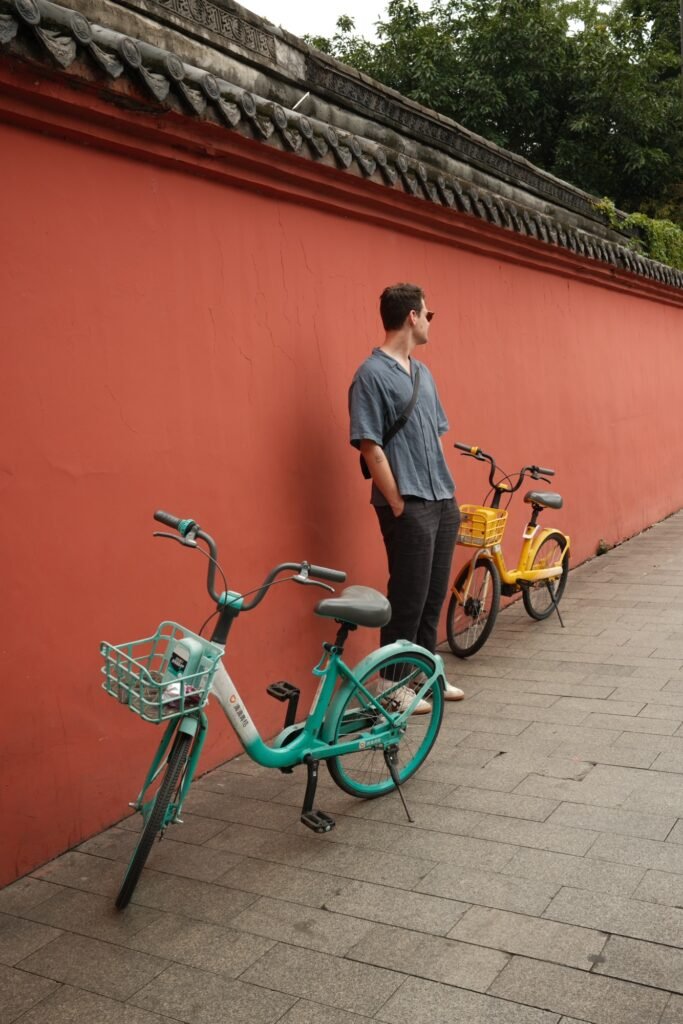
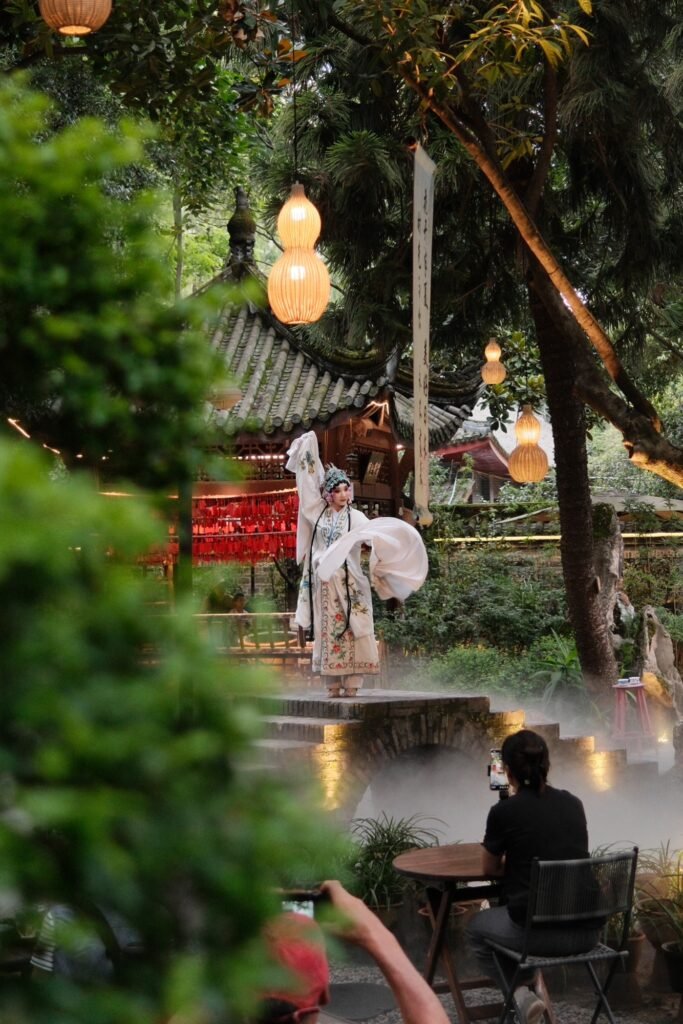
While it didn’t make the cut for my perfect 7-day Western Sichuan official itinerary, it is no doubt you will likely start of finish in Chengdu so it felt ridiculous not to include it.
Even though I am not the biggest big CITY girl, even I have to admit that Chengdu is worth the visit. With colourful tea gardens, temples and some of the best food we had our entire China trip (thanks to the recommendations from our DiDi driver!)
Klook.comExtend your Sichuan Itinerary
Danba – Traditional Tibetan homestay
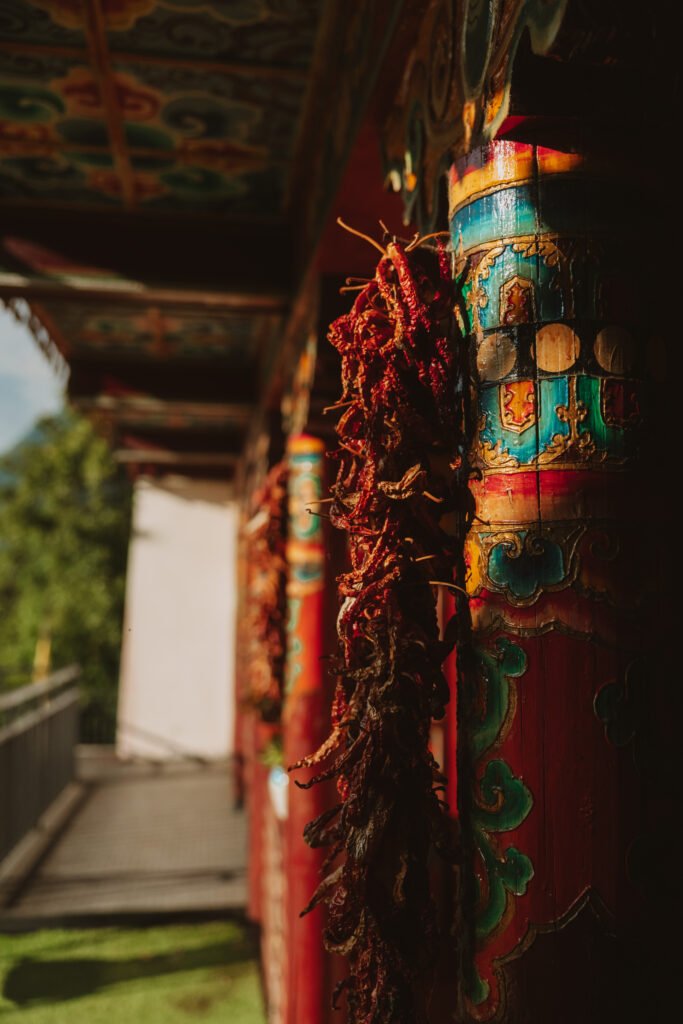
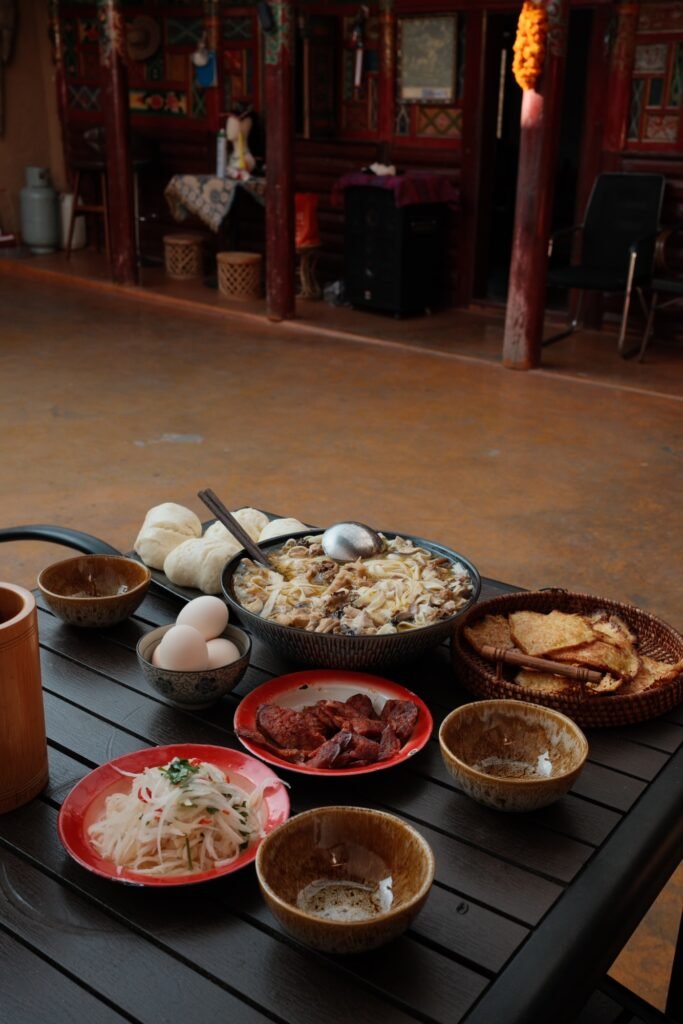
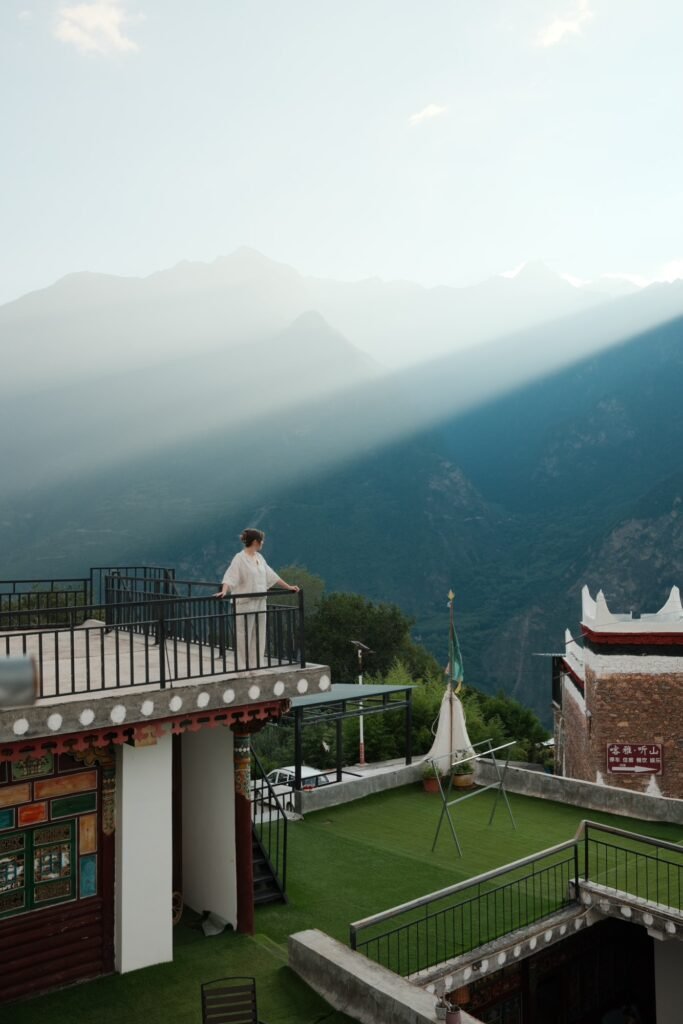
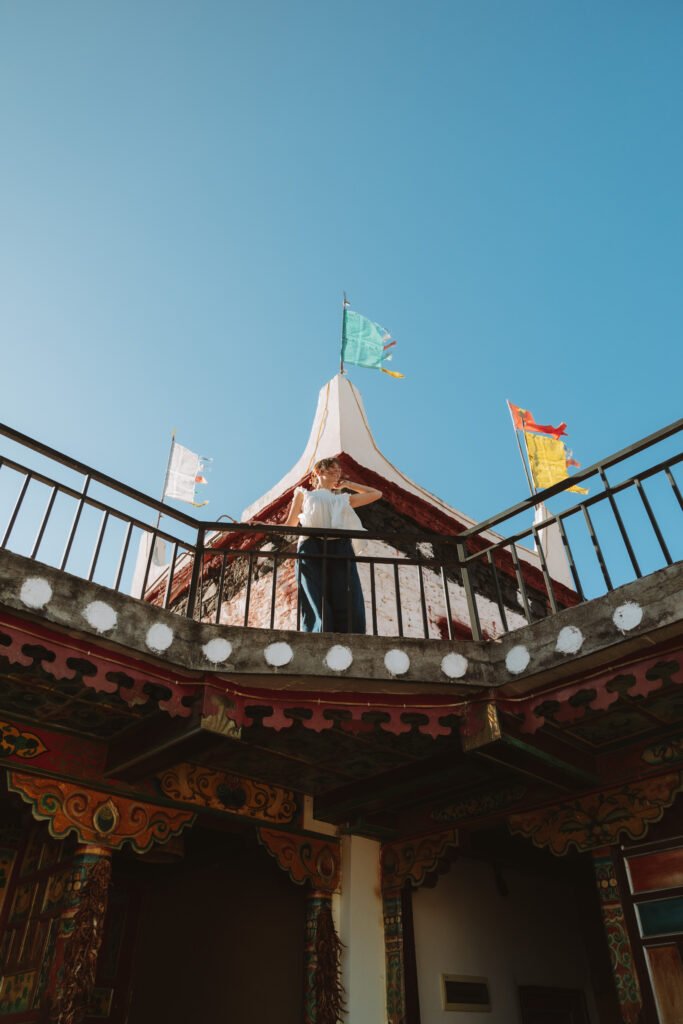
Along the river between Siguniang and Tagong is Danba – a traditional Tibetan village sprinkled across the steep mountainside.
We spent a night here in a traditional homestay that left my heart as full as my stomach. However, unless you have a car and don’t mind a very steep, winding drive, it really isn’t worth squeezing into your Western Sichuan Itinerary.
We expected the village itself to be more condensed and walkable, in reality it is more a homestay opportunity. Don’t get me wrong, it was a unique experience with some of the craziest views and lighting I have ever seen in my life and I will treasure forever, but a pain to get to/from so it definitely is not for everyone.
Ya’an
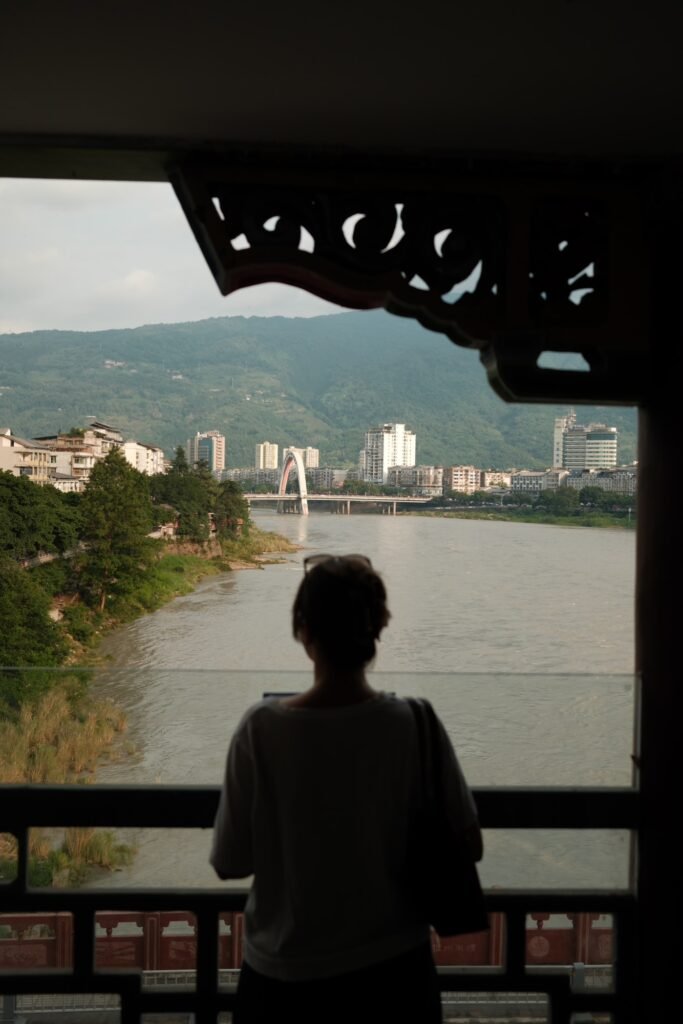
If you want to break up your trip before the big drive back to Chengdu, Ya’an is a great mid-way point. With the mountains off in the distance, back down to 100% oxygen levels, this city is totally different to anywhere else on this trip.
What made it worth the stop for us is the bargain boujee on a budget stay we had, getting to spend the night ON THE BRIDGE. Yes, our hotel room was in the middle of the bridge at Thousands of miles to ride a bicycle to live in the other courtyard (Ya’an Covered Bridge Branch)
What to Pack for this Western Sichuan Itinerary
| ✅ PACK THIS | 🍩 WHY YOU’LL THANK ME |
|---|---|
| 🥾 Comfortable walking shoes | Preferably with good grip for waterfall trails, mountain hikes and slippery paths |
| 🦟 Bug repellent | The Panda Valley can get very humid and full of pesky bugs |
| ☀️ Sunscreen | High altitude brings you closer to the sun and oh boy can you feel it. |
| 📸 Camera (duh!) | You don’t need to be a pro photgrapher to take a stunning pic of this place! |
| Toilet Paper | I find a little pack of tissues is best to fit in my day bag – toilets here rarely have paper. |
| 🧺 Microfibre towel | For roadside hot springs, sweating while watching pandas and spontaneous camping/picnic opportunities |
| 🚗 Drivers License (optional) | You will need to get this translated upon arrival if you want to hire a car |
| 💧 Reusable water bottle | Great for hikes and helping reduce single-use plastics. |
| 🧥 Light rain jacket | A general travel essential with increasingly unpredictable weather |
| 💴 eSIM | You need your internet for everything in China, so I highly recommend getting an unlimited plan (use DONUT20 to save 20% on Roamless Plans) |
Western Sichuan Itinerary FAQ
I think it is the perfect amount for most people to get a feel for what I would say is one of China’s most underrated regions. If you are an avid hiker, I dare say you would want to stay longer or if you are travelling with family, you may just want to test the waters in Siguniang before continuing – this is the middle ground.
If you only had time to get a little taste of Western Sichuan, Siguniang will be your best bet, especially with the major rail updates coming in.
Unfortunately, everyone is different so you won’t know until you are there. Make sure to take your time, stop along the way to ease into altitude jumps and rest as much as you can.
Unless you are a pro winter mountain guide, I would advise against taking this on in winter. The roads will become less accessible, and the whole area will be quite dangerous to travel.
It can be hit and miss in some of the remote areas. Overall, you will be able to stay connected at every stop with eSIMs and wifi, but you may drop out on certain parts of the road or lookouts.
My biggest hack is to get an international eSIM. We used a global eSIM and a China/Taiwan/Hong Kong plan and had no issues with apps or Google! Anything that runs beyond mainland china alone does not get caught in its firewalls.
Keep Planning Your China Travels:
You can not travel China without it: Is trip.com legit?
Worth comparing hotels and activties here too: Is Klook legit?
More coming soon!
My brutally honest recap of our Western Sichuan trip (and misadventures)
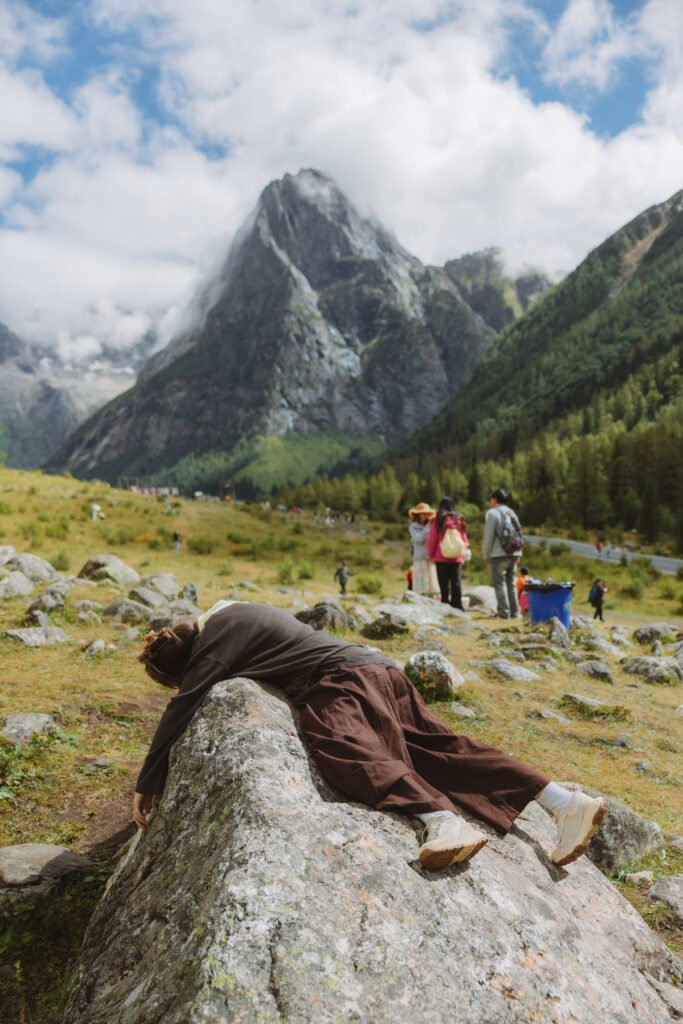
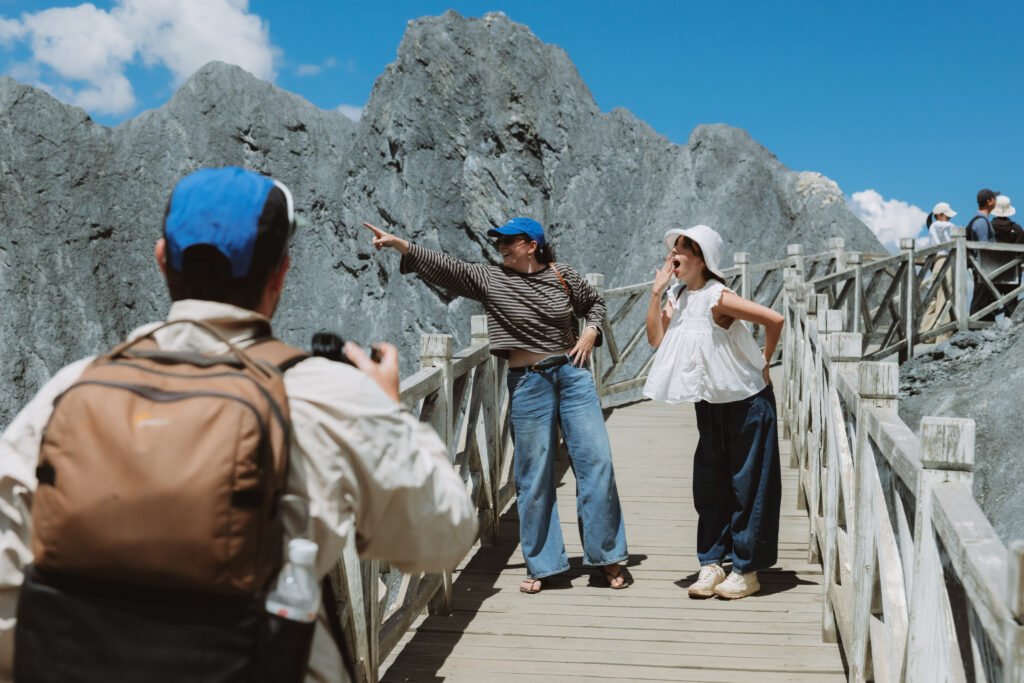
We weren’t sure if we would be able to hire a car until we arrived in China so our plans changed at the last minute, meaning it wasn’t the most effective nor easiest route. Lucky for you that means this Western Sichuan Itinerary was built based on all of those mistakes we made and the highlights we had within.
This was my first time in China so coming to an ‘underrated region’ was a little bold yet I am so glad we did as it strangely had the opposite effect of what I was worried about – it really helped us ease into the apps, customs and landscapes of China travel that I already want to go back to experience more of.
Of course, if you ever have any questions or are feeling extra nosy and want more in-depth insight, do not hesitate to comment below, email me or DM @wanderingdonut ♡