33 Unique Things to Do in Japan: Onsens, Stays and Experiences
Let’s be real, there are endless unique things to do in Japan, it’s one of the key reasons the destination has skyrocketed in popularity in recent years.
Yet with your social media saved folder exploding and more ‘viral hotspots’ popping up every day, it can feel impossible to sift through what is actually worth your time.
Fear not, as I sacrificed my sanity and my wallet putting the weird and wonderful to the test for you, compiling 33 of the most unique things to do, stay and eat in Japan.
Whether you are looking for a quirky stay, a once-in-a-lifetime experience, or something totally different to avoid the crowds, I am here to help make it easier than ever to turn your Japan travel dreams into a reality… even the ones you didn’t know you had.


Unique Things to Do in Japan
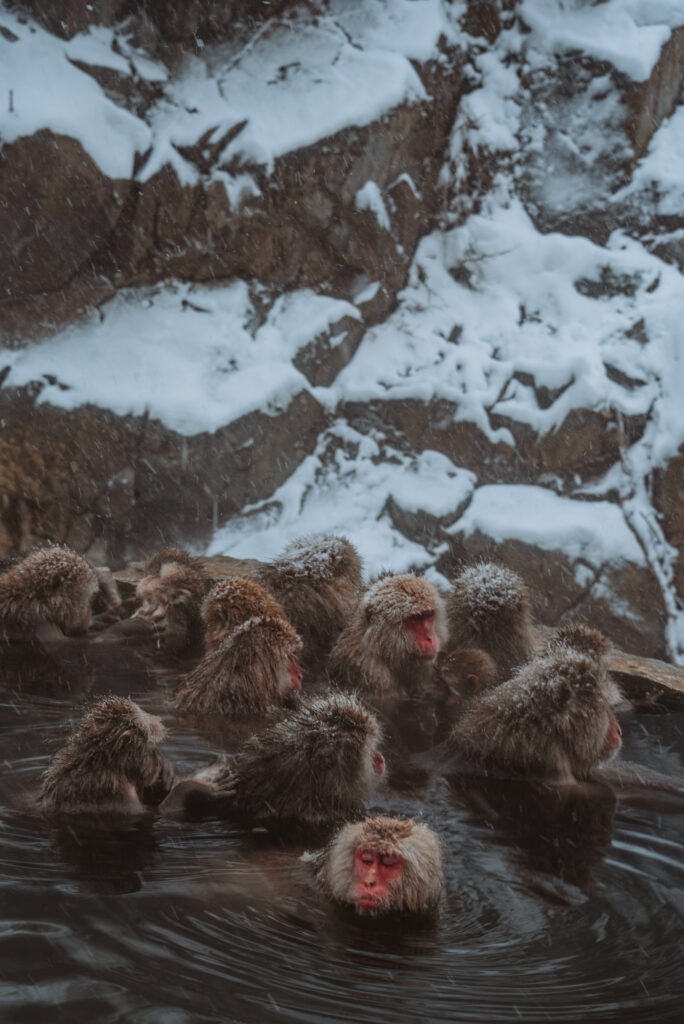
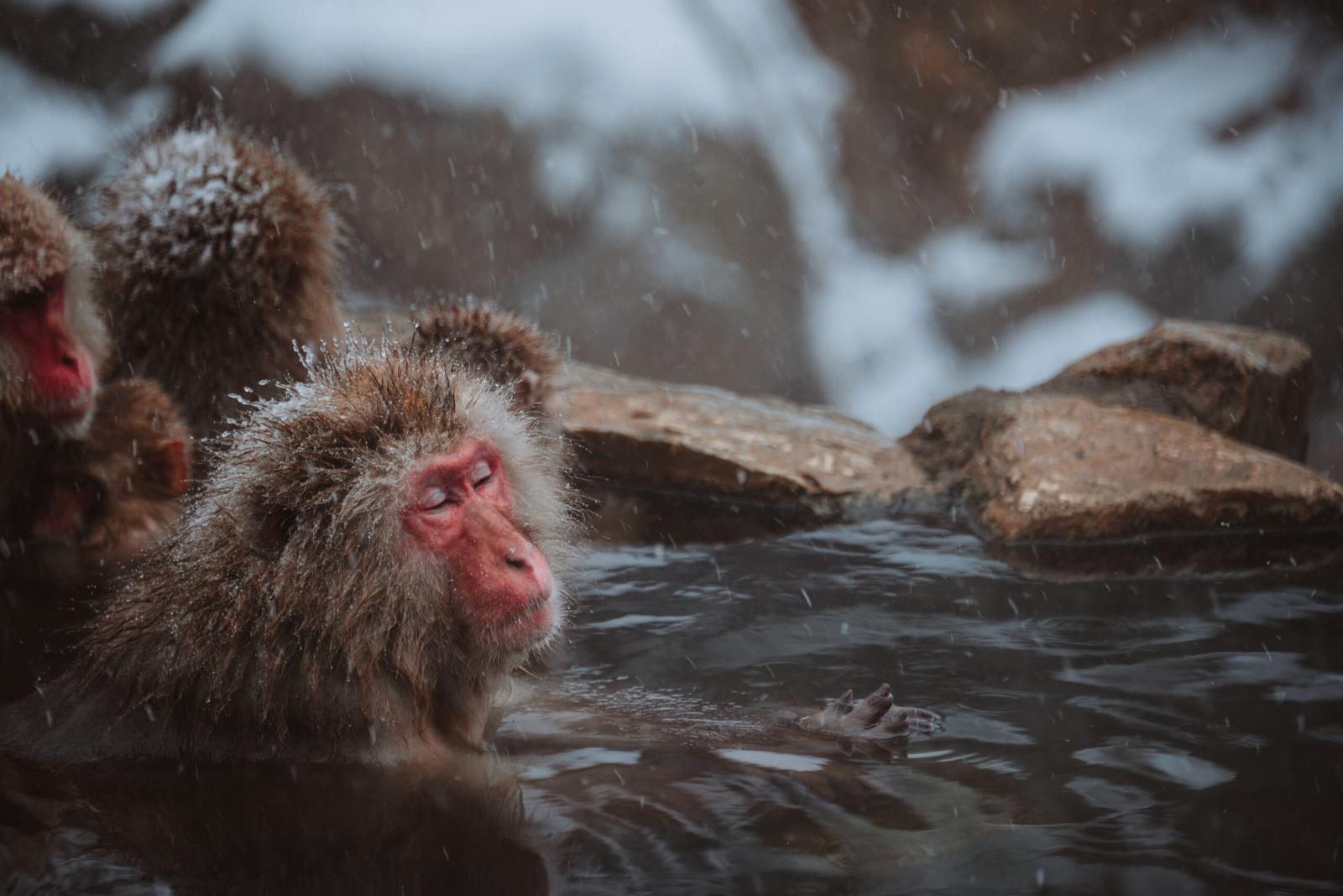
1. Jigokudani Snow Monkey Park, Nagano
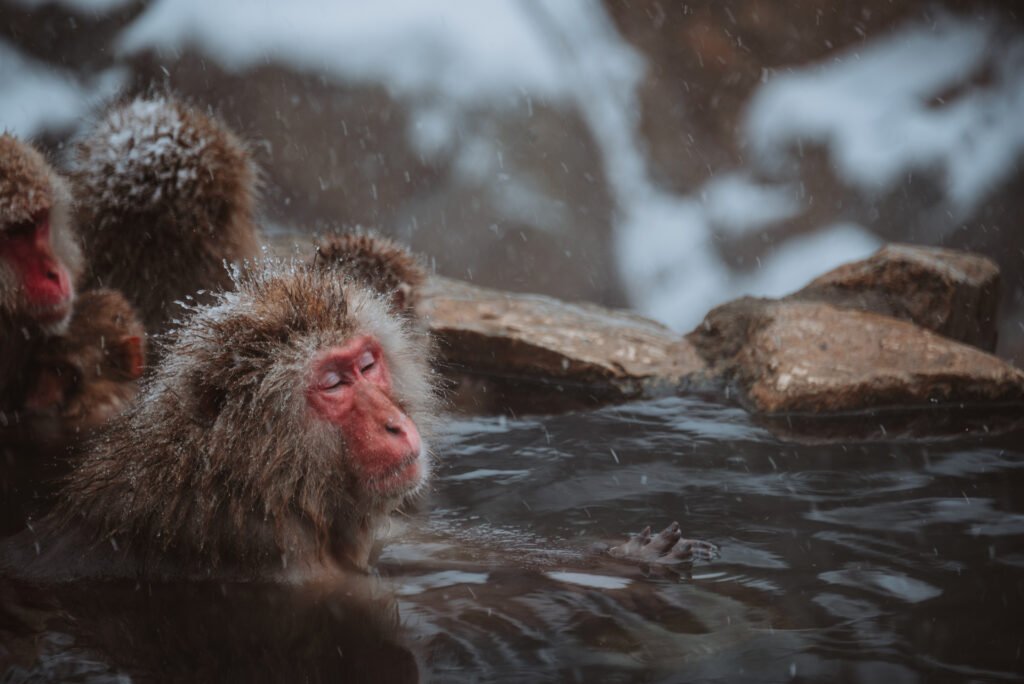
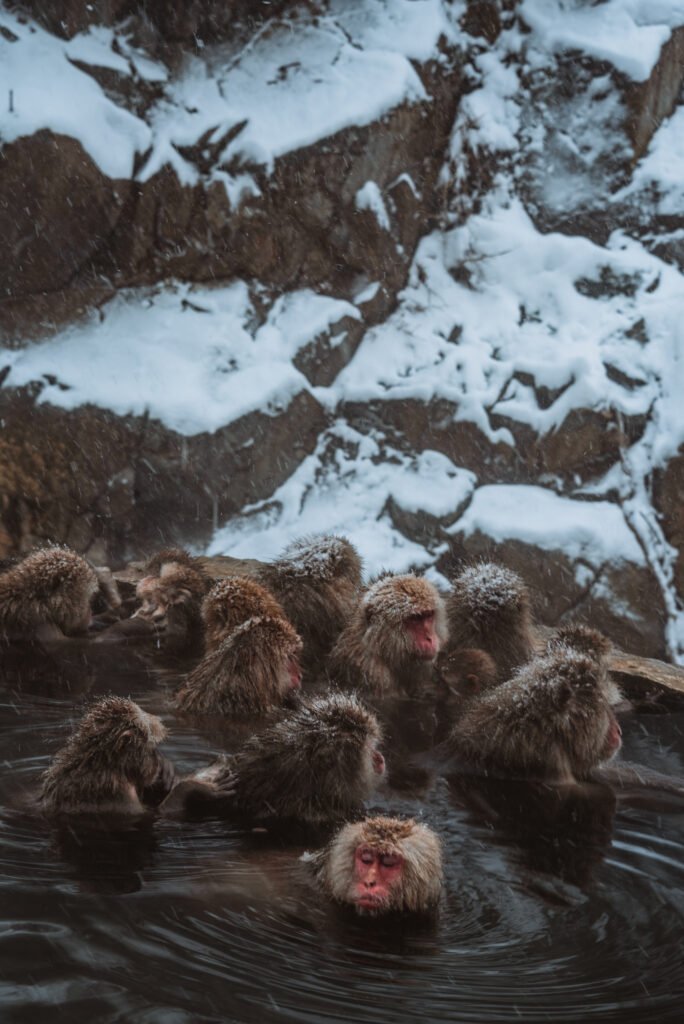
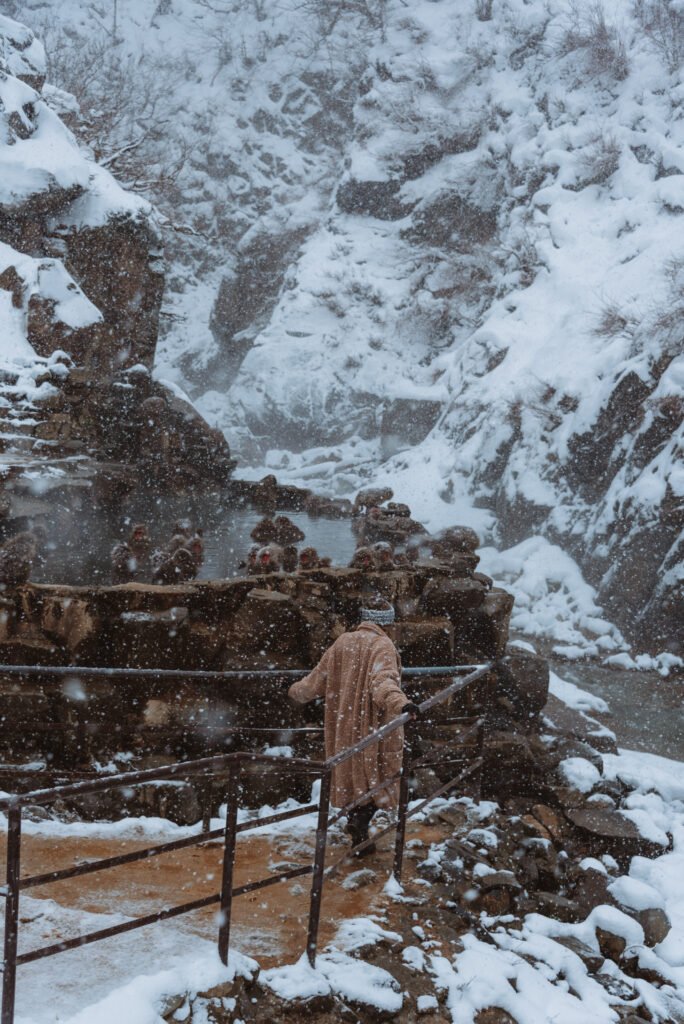
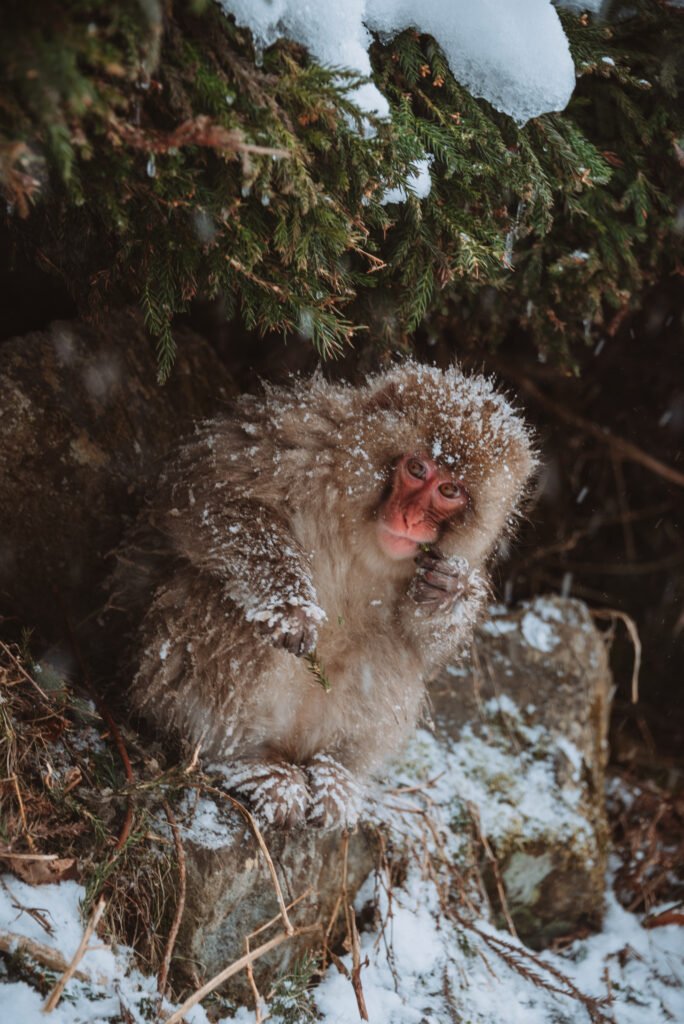
The only place in the world you will probably find Japanese macaques (snow monkeys) bathing in natural riverside hot springs.
NO, this is not a zoo, although there is still a park entry fee and a limited feeding schedule. However, this is designed to keep monkeys away from nearby farms and roads, not to trap them at the hot springs.
READ MY COMPLETE SNOW MONKEY PARK GUIDE HERE
📍 Where is the Jigokudani Monkey Park?
Jigokudani Yaen-Koen is a famous valley in the mountains of Nagano Prefecture, 1 hour from Nagano City.
How to get to Jigokudani Monkey Park in Nagano
The best and most affordable option is taking the
EXPRESS BUS direct from Nagano station to Kanbayashi Onsen.
It is a 10-minute winter walk to the entrance of the park trail, then another 30-40 minutes to the main monkey hot spring.
Alternatively, you can book a day tour for more direct access and ease:
Klook.comWhat to know before you go to the Snow Monkey Park
The monkeys are free to roam, which does mean that it is not guaranteed that you will see them, let alone see them soaking. For the best chance, it is recommended to visit during the winter months when they are most likely to be looking for a warm retreat from the snow.
And for you, those snowy conditions mean it is best to wear grippy walking shoes and a toasty coat to make it there safely.
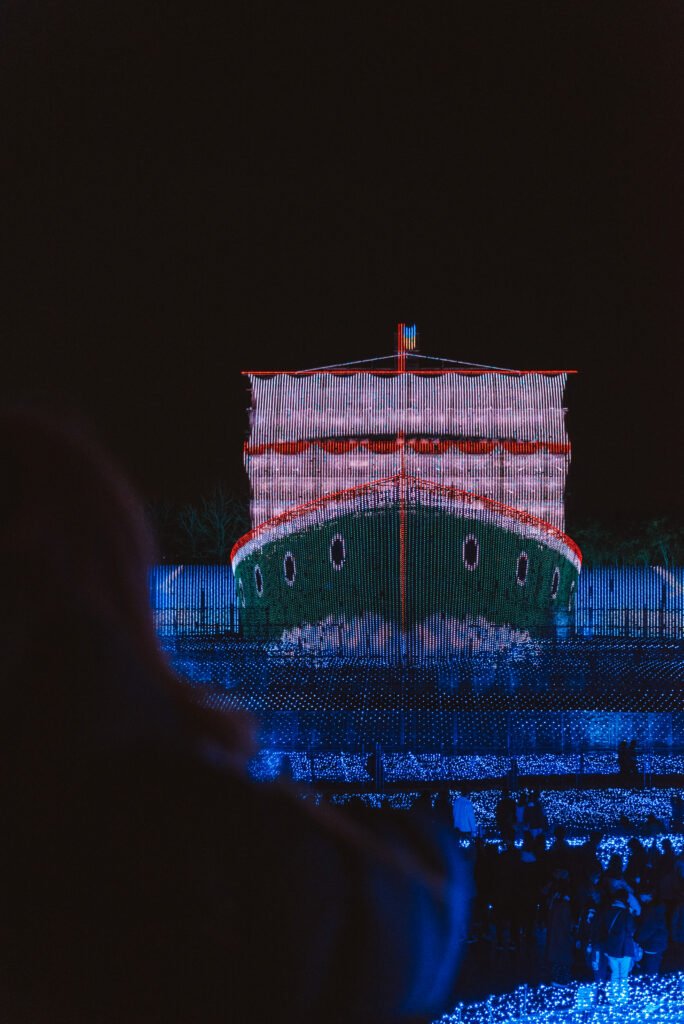
2. Nabana no Sato Illumination
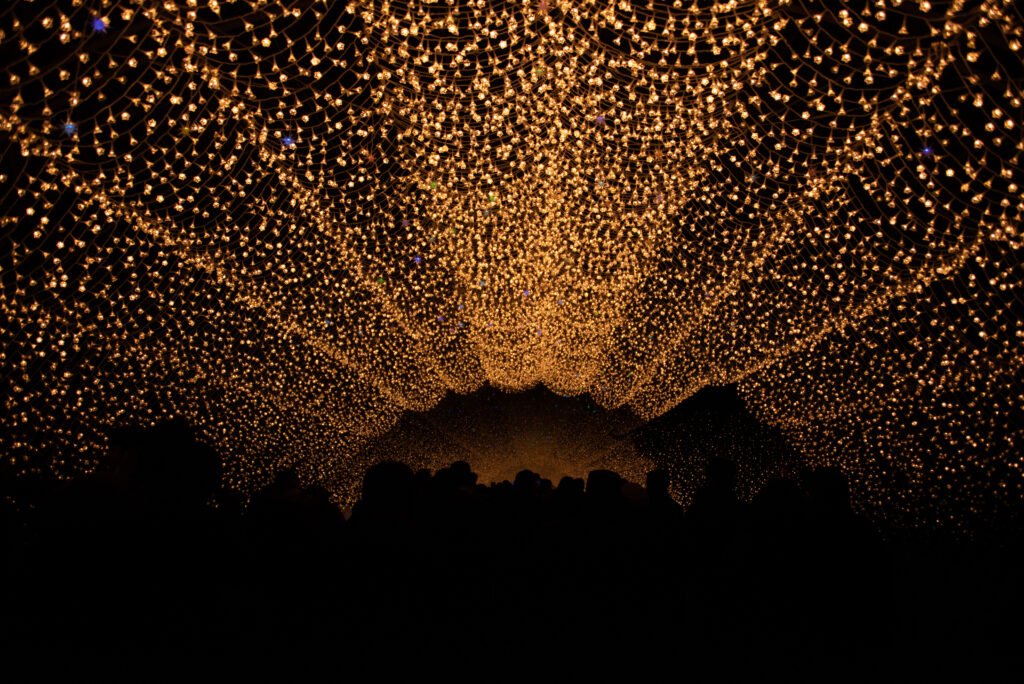
Despite being labelled as the BEST winter illuminations in Japan, I am shocked that it has remained relatively underrated for tourists.
This is one of Japan’s largest winter festivals with over a million LED lights across expansive botanical gardens, changing theme each year, highlighting everything from global landmarks, Japanese landscapes, nature, and fantasy worlds.
📍 Where is it
Nabano No Sato is in Kuwana City, Mie Prefecture, just outside Nagoya in central Japan (another underrated city but that’s a story for another day)
Things to know before you go to Nabana no Sato Illumination
The winter illumination typically runs from late Oct – late May, with its peak between Dec – Feb. Dates vary, so keep updated at the official Nabano No Sato Website
Best of all, it is surprisingly affordable for what you get!
Entry usually costs around ¥2,500–¥3,000, which often includes a small voucher you can use inside the park for food or shopping. For me that ended up being more value than the ticket cost – we got a full dinner and souvenirs.
3. Visit one of only 12 original castles left in Japan – Matsumoto Castle
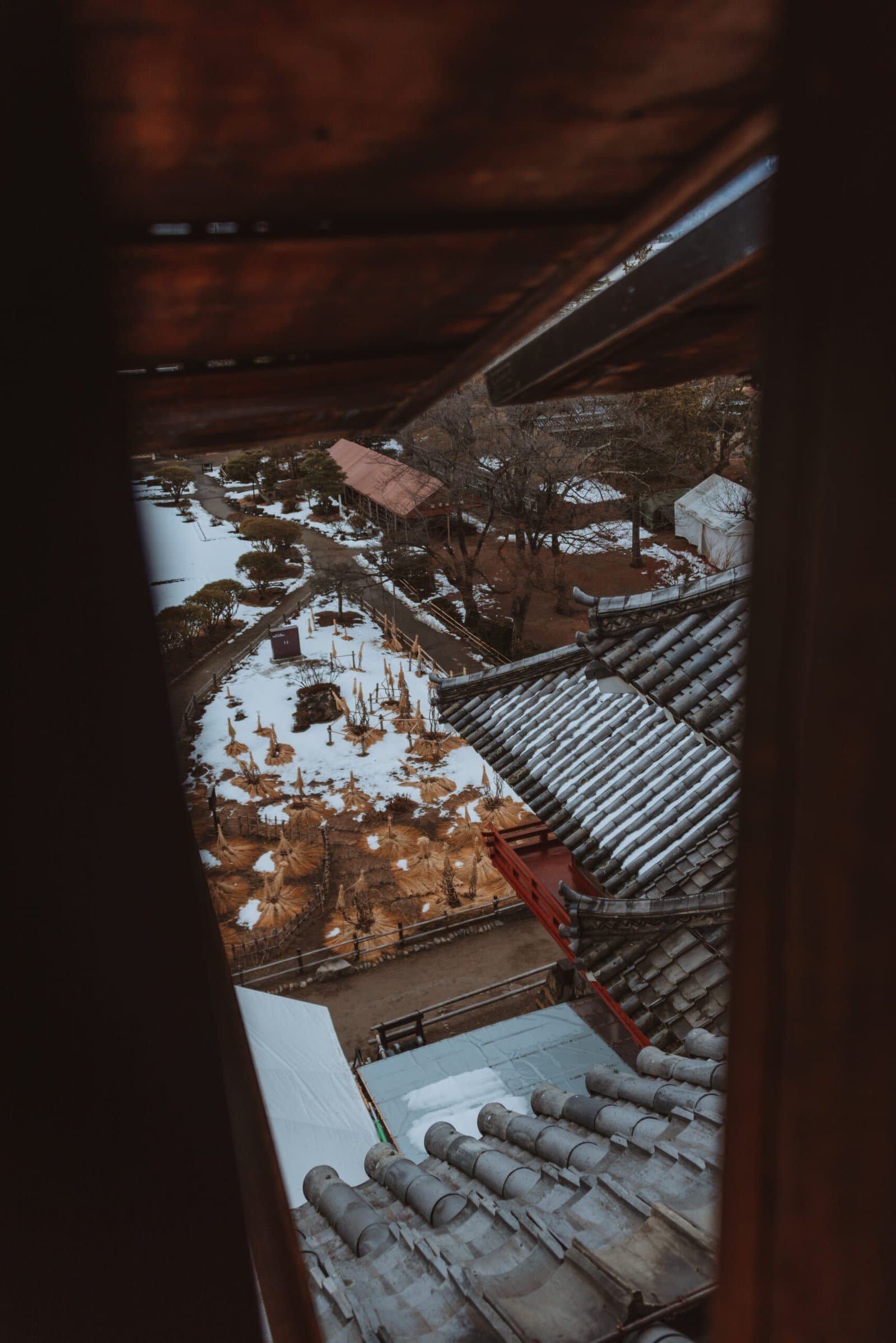
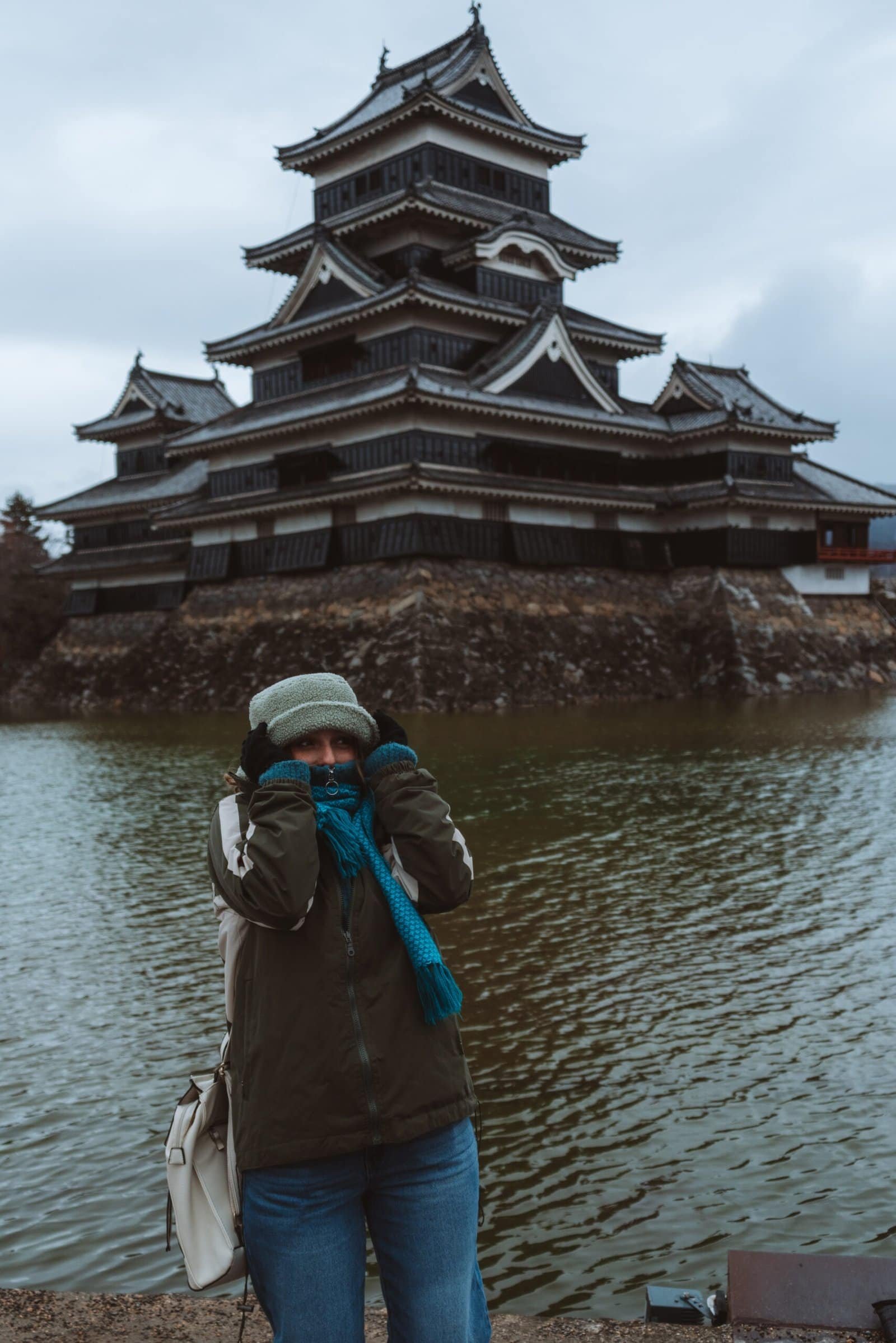
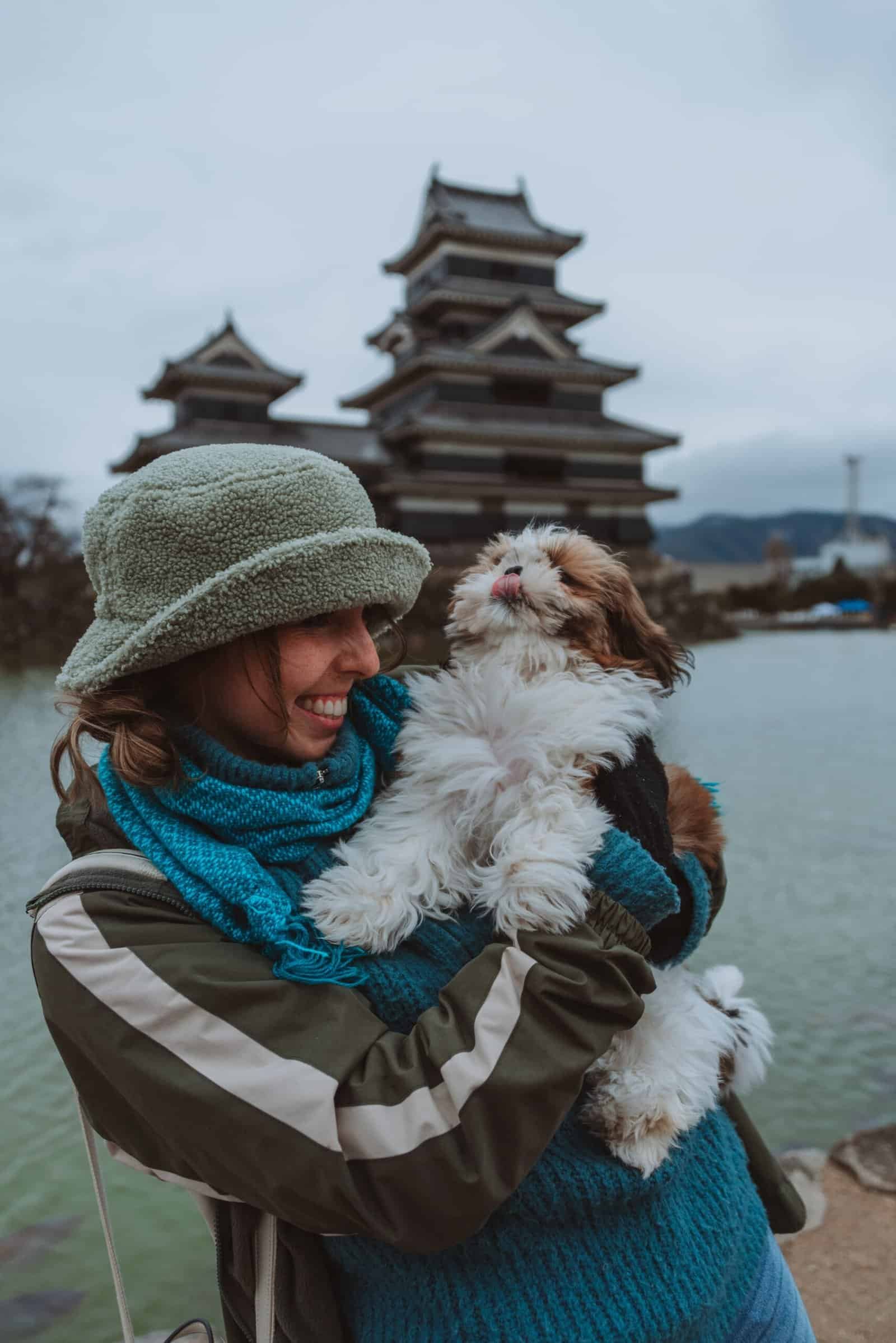
Nicknamed the “crow castle” Matsumoto Castle one of the few surviving original castles from the late 1500s, designated as a National Treasure.
Unlike most Japanese castles, it’s protected by moats rather than hills, with steep wooden staircases and historic interiors still intact where you can now wander the authentic Edo-period interiors.
📍 Where is Matsumoto Castle
Located in Matsumoto city centre, about 15–20 minutes on foot from Matsumoto Station. Surrounded by the Japanese Alps in Nagano, it offers one of Japan’s most photogenic castle views.
What you need to know before you go to Matsumoto Castle
You can either buy tickets for Matsumoto Castle on the day at the entrance (best to have cash for paper tickets) or get e-tickets online for timed entry to avoid queues.
However, having visited twice in varied seasons, I have never seen the line too long anyway so it isn’t as necessary as your Universal Studios Tickets haha
4. Togakushi Shrine – The home of the Ninja
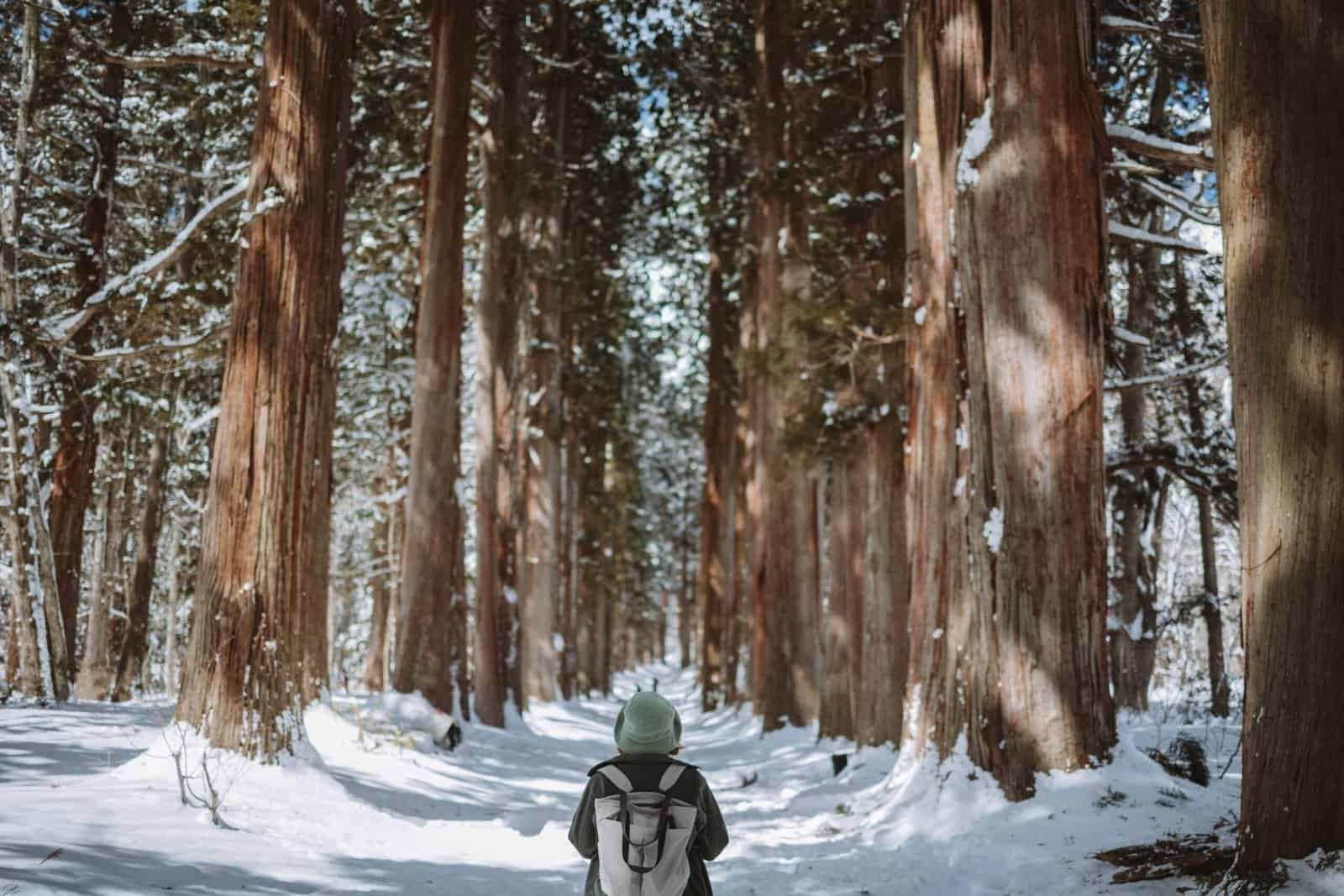
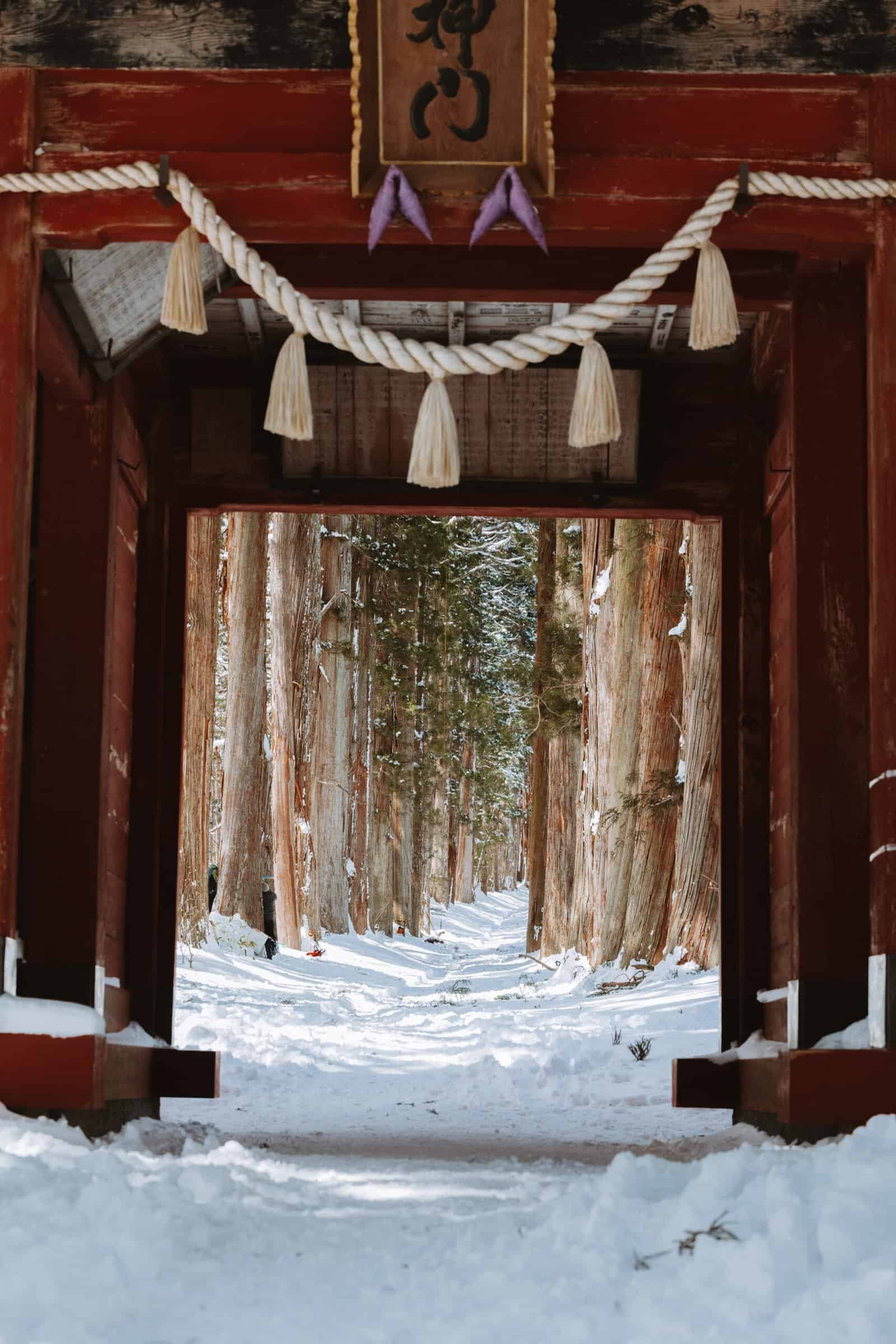
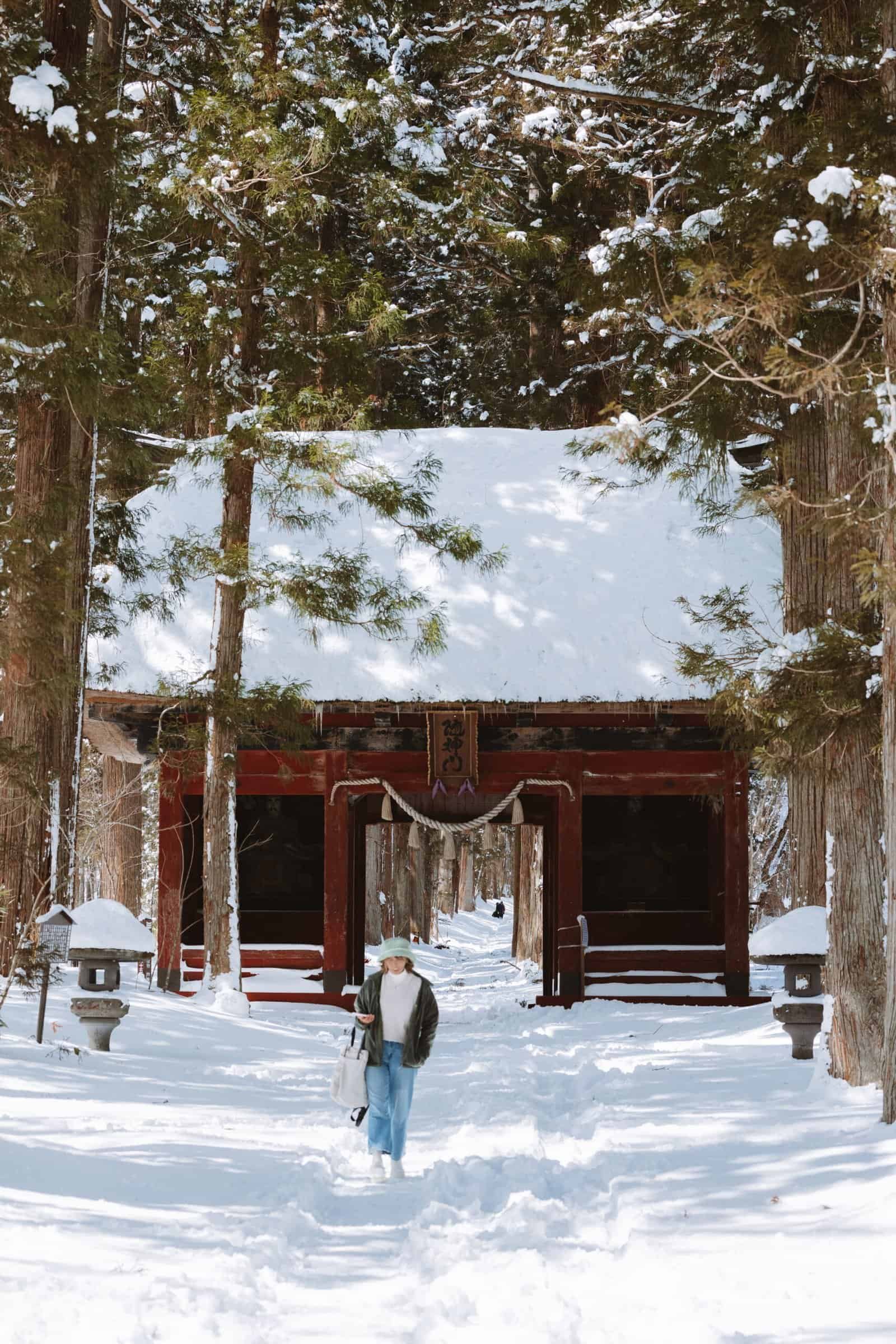
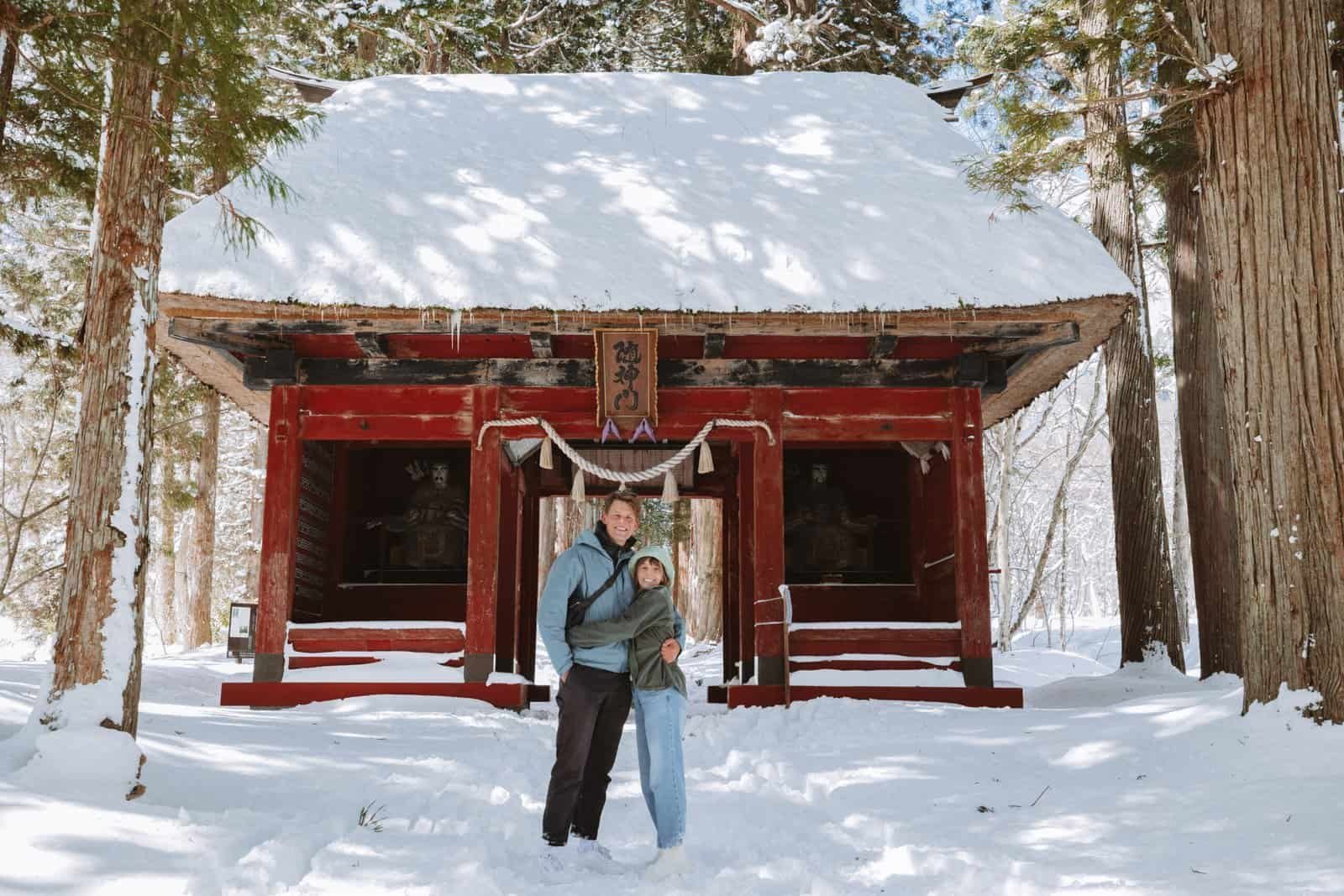
Togakushi Shrine is a historic shinto shrine complex in Nagano Prefecture (can you tell this region is my favourite!). A collection of 5 main shrines scattered along a scenic forest trail that are a MUST-SEE in Japan no matter the season.
Known as the home of the ninja as these mountains were historically used for ninja training and spiritual practices, which you can still find here today. This fairytale site is a unique blend of ancient shrines, towering cedar-lined paths, and ninja legends waiting for you to get lost in.
📍Where is Togakushi Shrine
About 1 hour from Nagano up into the Japanese Alps, Togakushi is a famous skiing and hiking region.
How to get to Togakushi Shrine
Take the Nagano Dentetsu Bus to Togakushi (please note that snow schedules will alter this route and it is best to check at the station before you go), then walk along the shrine trail.
Important Tips and avoiding the mistakes we made
- This is a hiking trail with a crazy range of conditions. Do you research and wear good shoes. You can already rent a pair at the store near the bus stop too!
- Entry is free, although it is best to carry cash for donations, food and or potential gear hire.
- Give yourself at least half a day to properly explore the main shrine.
- Please tag me in all of your photos from your visit, I love it here so much!
5. Visit the Meiji Mura open-air architectural museum
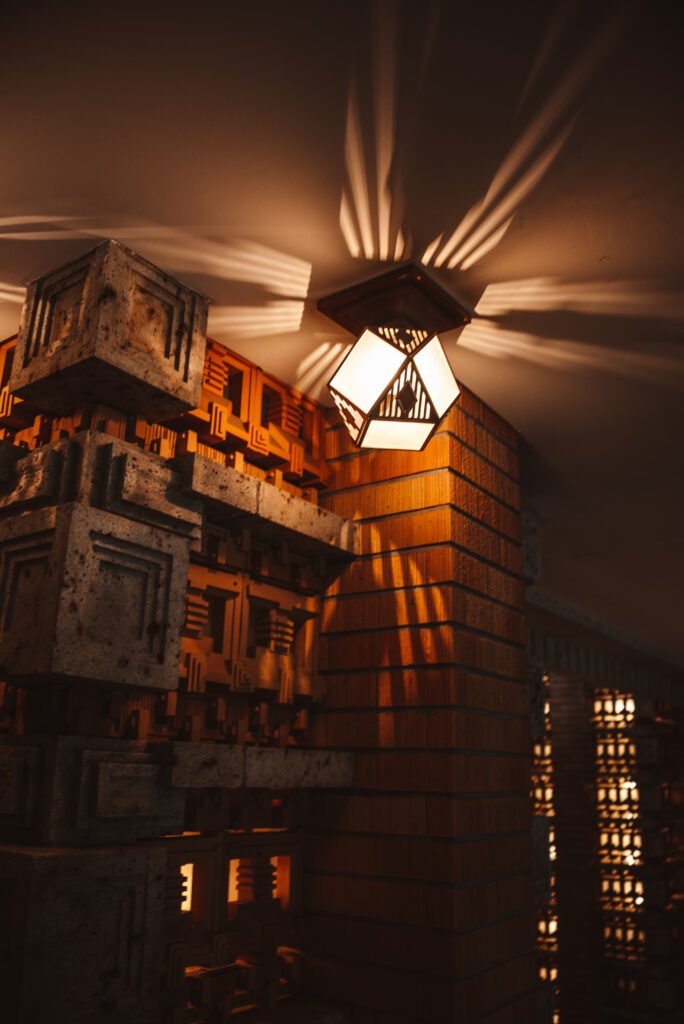
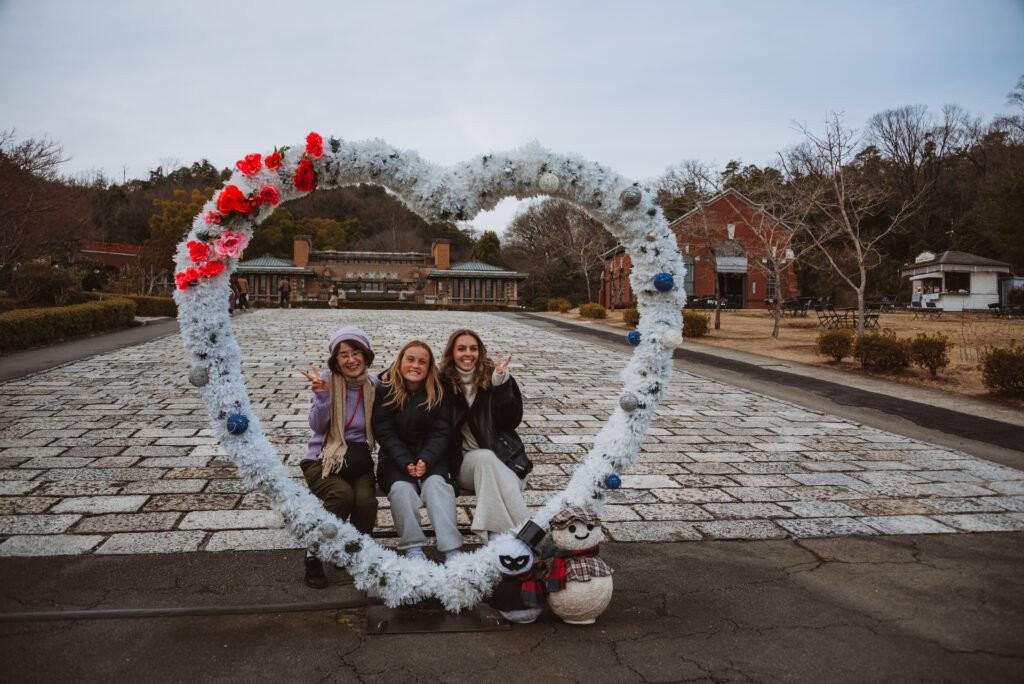
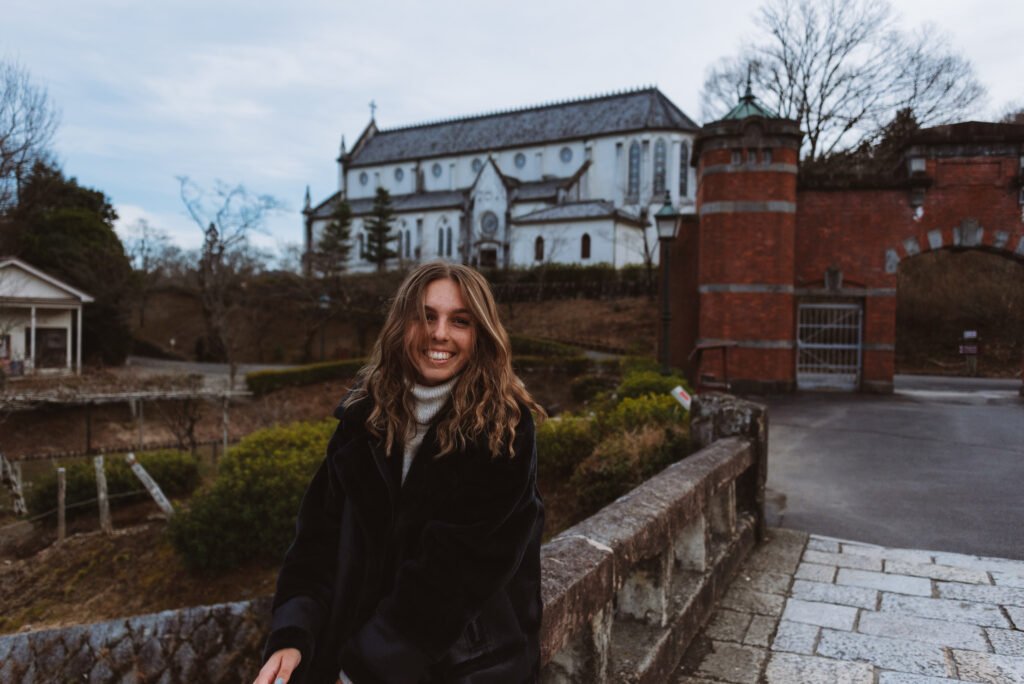
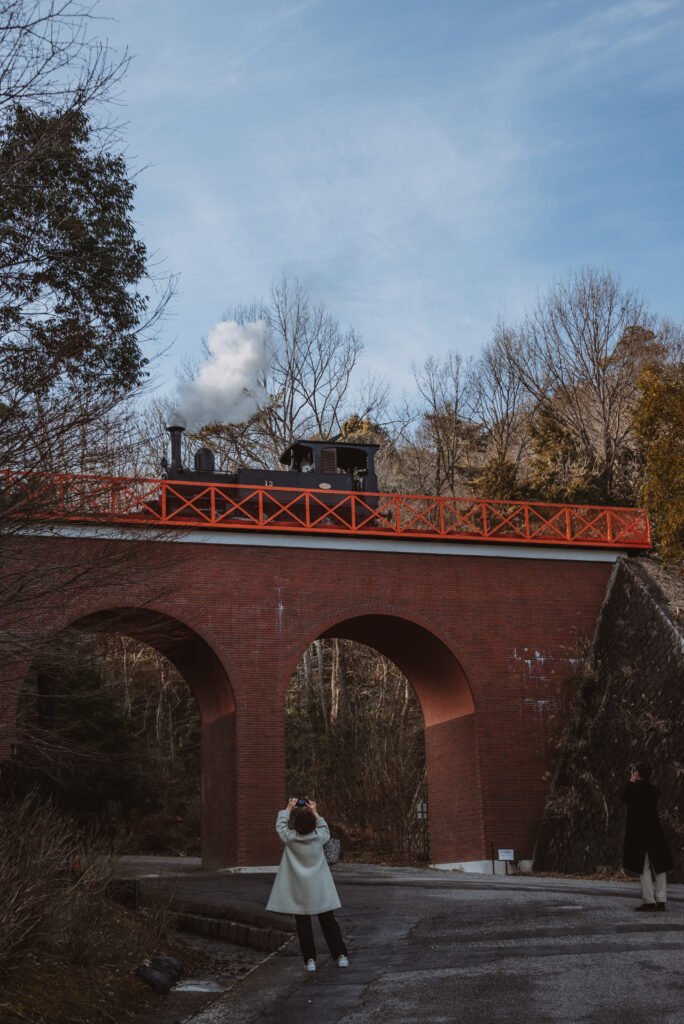
This open-air architectural museum hosts over 60 historic buildings from Japan’s Meiji, Taisho, and early Showa eras.
Invisiting you to wander (or catch the steam train) through authentic structures, including Western-style mansions, government buildings, and schools, all relocated and preserved to reflect Japan’s modernisation era.
Meiji Mura is approx 1 million square meters (250 acres) in size so you will want to get your comfiest walking shoes on with ample time to use them.
📍 Where is Meiji Mura
Meiji Mura is a giant open-air architectural museum in the Aichi Prefecture.
6. Big Buddhas and Pink Pagodas at Tsubosaka Dera temple
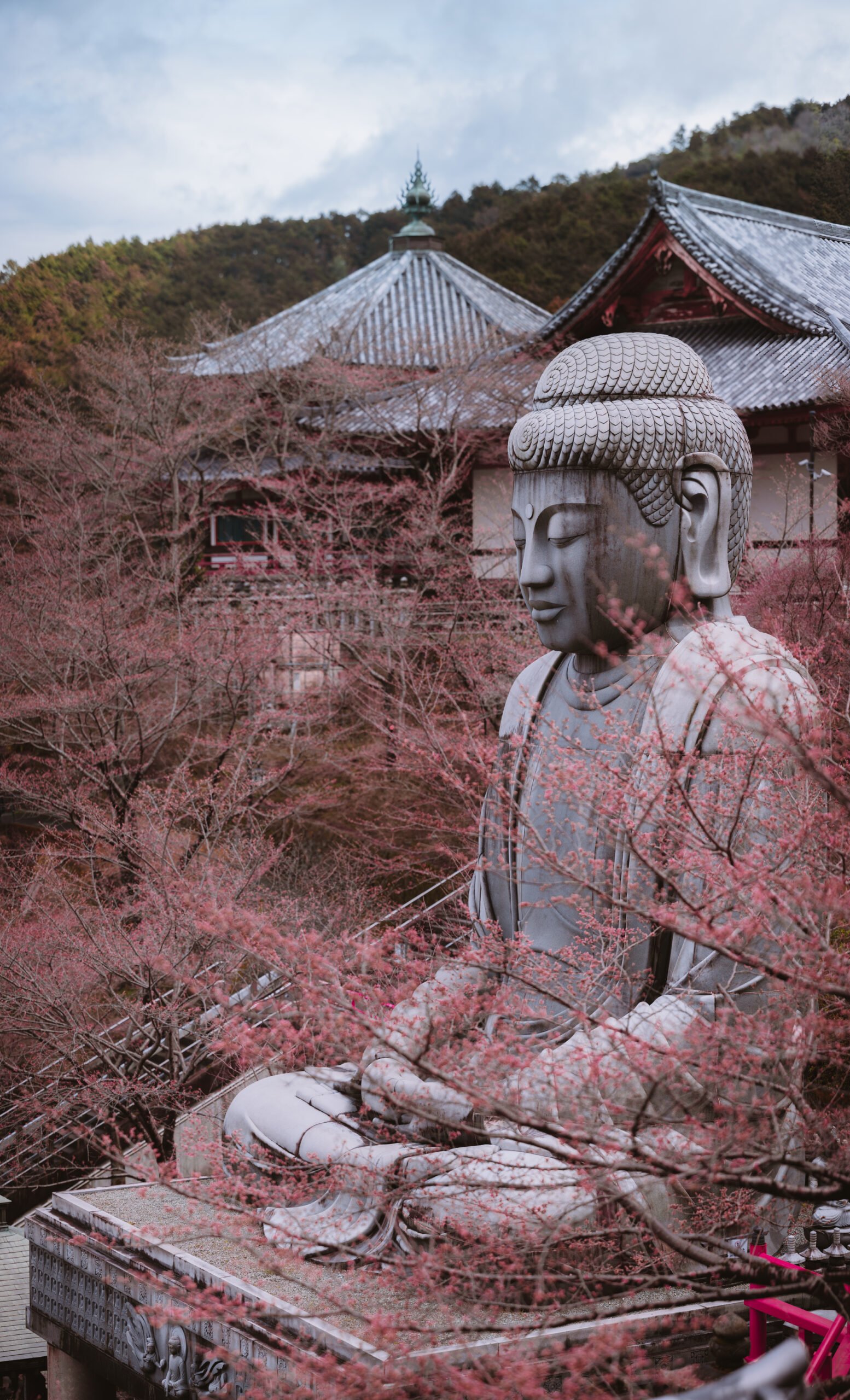
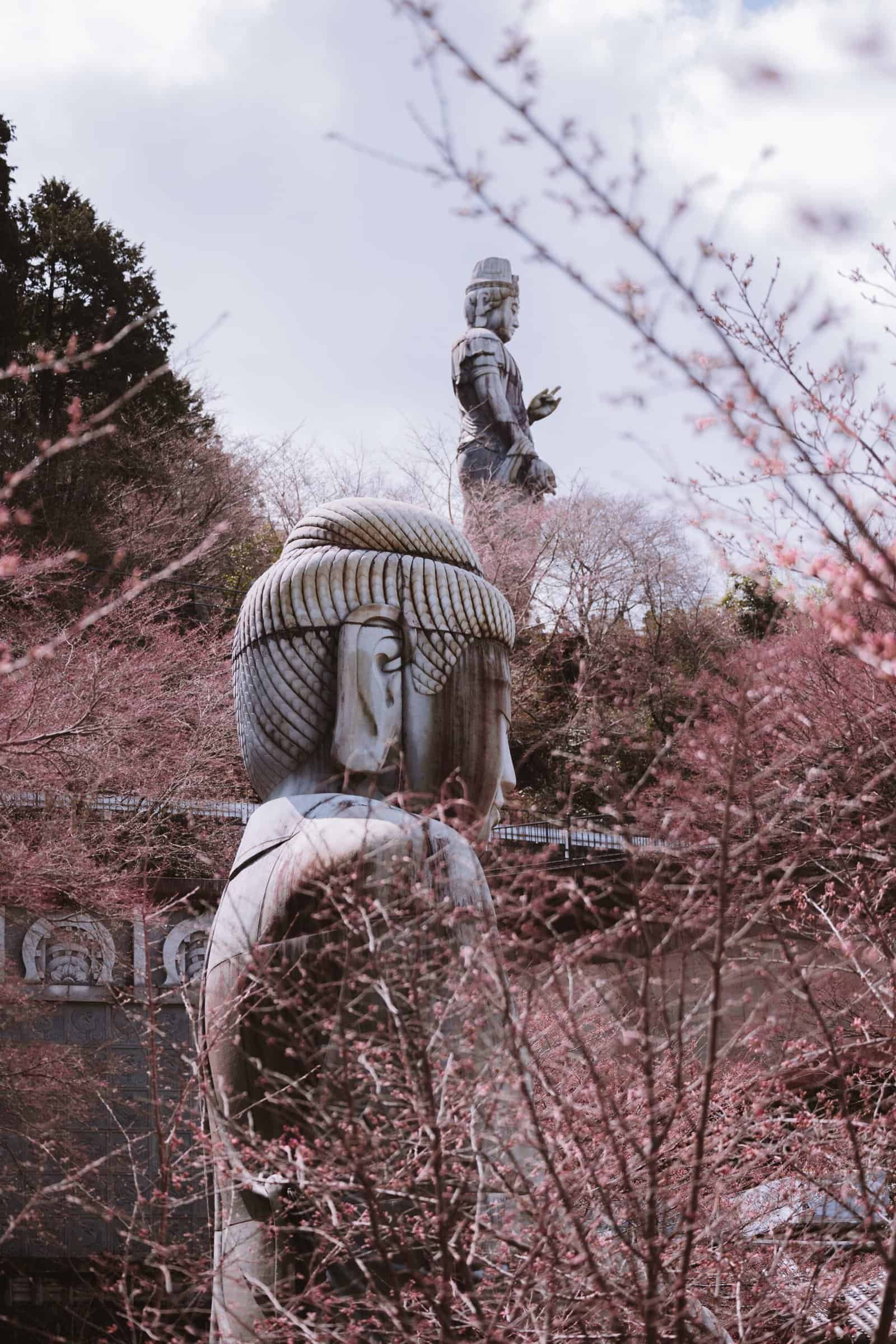
This is a historic Buddhist temple in Nara Prefecture, standing out for its bright pink temple architecture and massive Buddha statues, set against forested hills unlike typical temples in Japan
And if that splash of pink wasn’t enough for you, this place went viral for its vibrant cherry blossom blooms (that we unfortunately just missed by a few days)
📍 Where is Tsubosaka Dera temple
You will find the historic Buddhist temple in Kawakami Village, Nara Prefecture, the temple sits about 2hrs from Nara City or 3-4 from Osaka
Visiting Tsubosaka Dera temple in Cherry Blossom Season
Like I sadly said, we missed the full blooms by about a week after a freak cold snap hit Japan meaning our cherry blossom tour wasn’t all that full of cherry blooms
If you are chasing the viral blooms here, I would recommend hiring a car and giving yourself a few extra flexible days to work with. While the forecast comes out every year it remains unpredictable and almost impossible to plan ahead for.
7. Visit Japan’s tallest waterfall – Nachi Falls
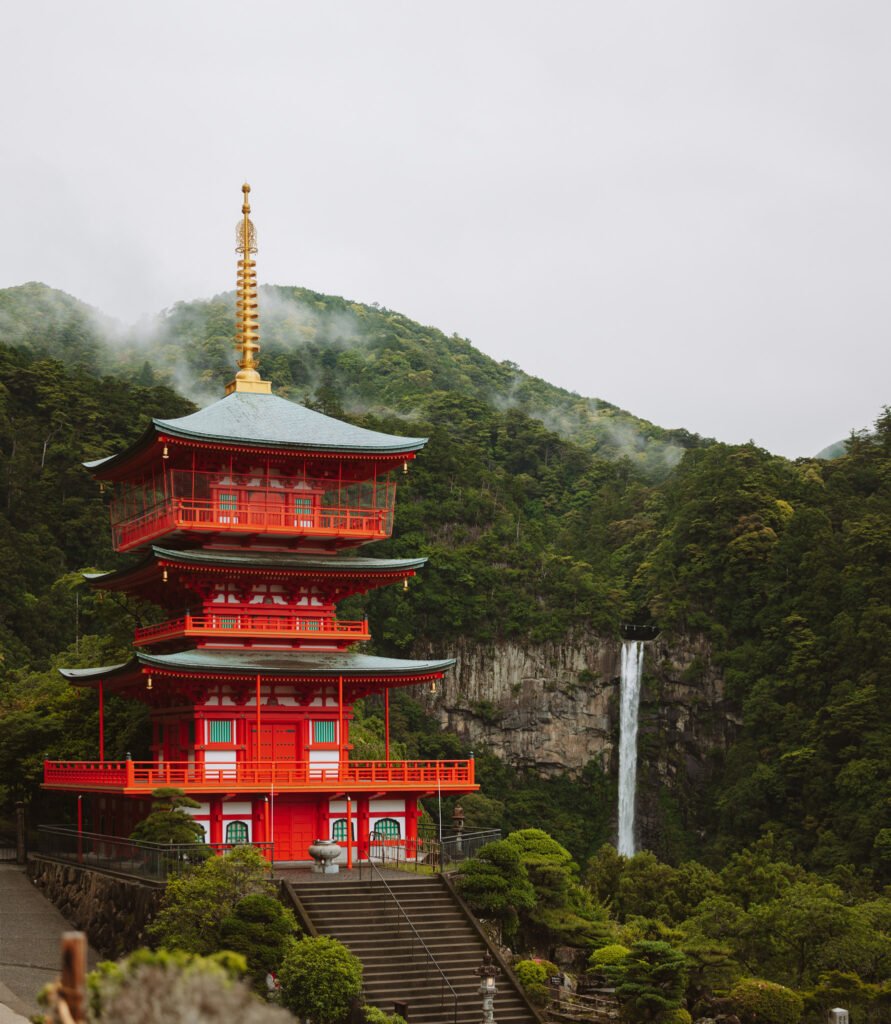
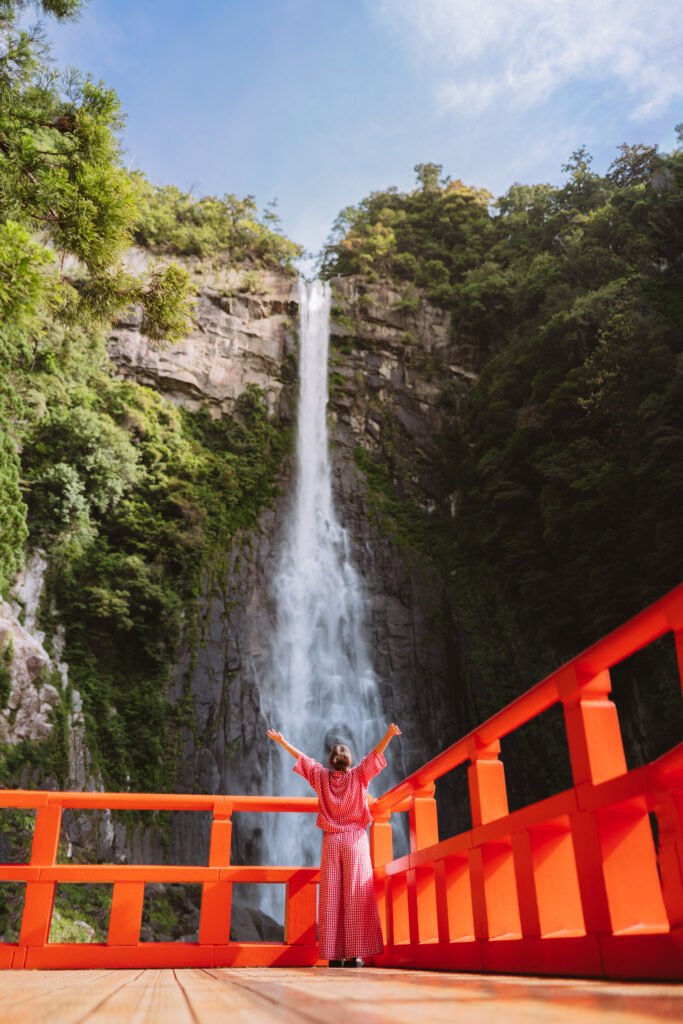
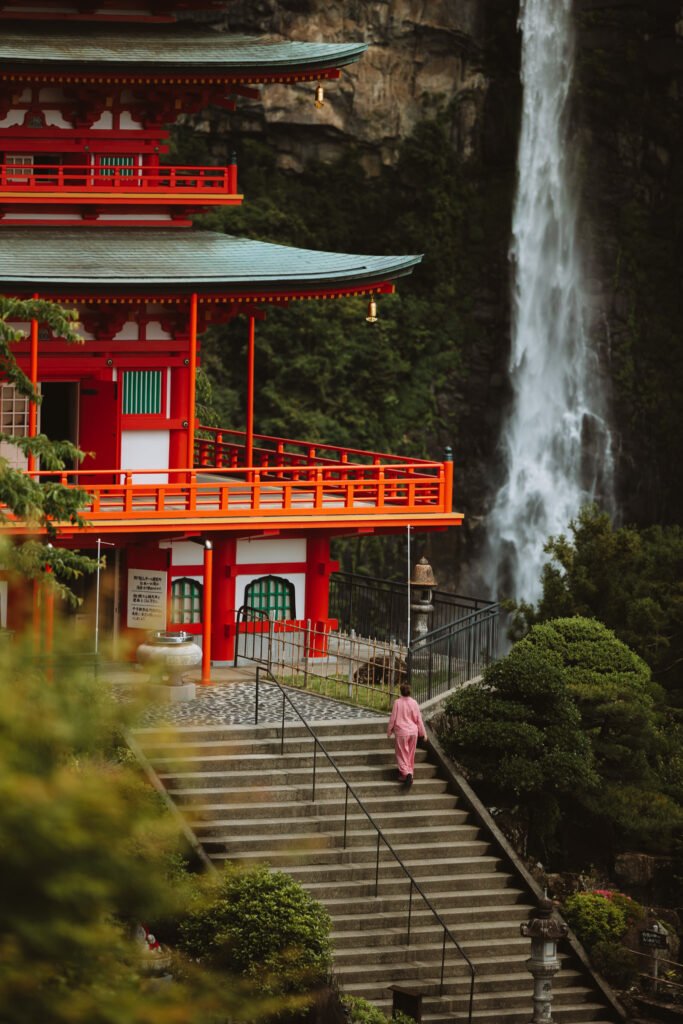
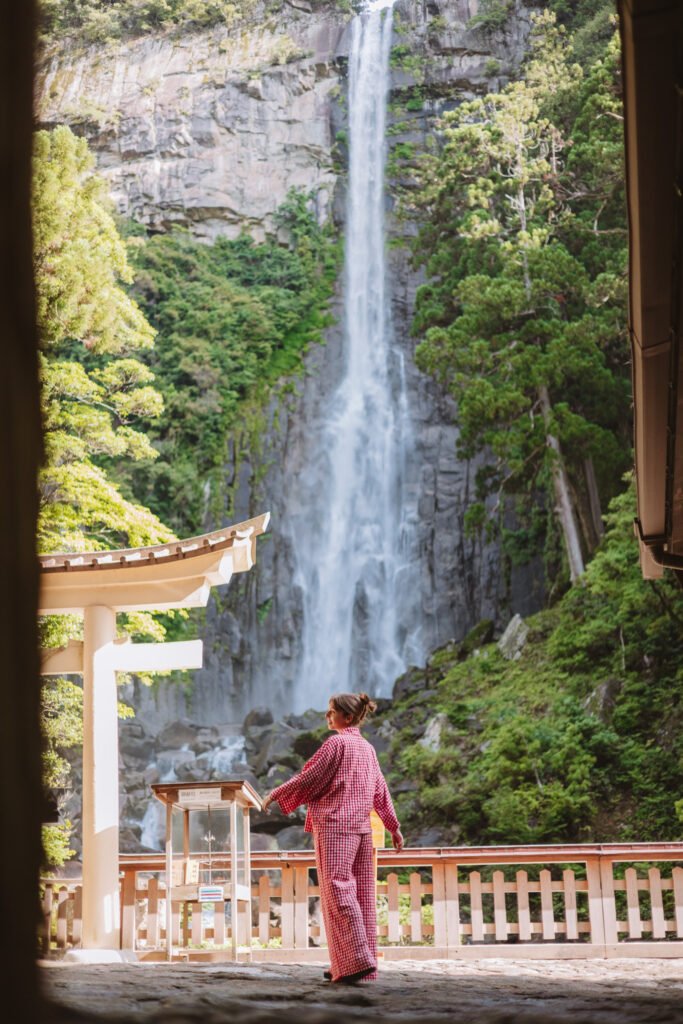
You have probably started seeing this impressive red pagoda and waterfall combo pop up across you social media, and for good reason.
Nachi Falls is Japan’s tallest single-drop waterfall, plunging 133 meters.
It’s part of the Kumano Nachi Taisha Shrine complex, a UNESCO World Heritage Site and part of one of only two UNESCO World Heritage pilgrimage routes – Kumano Kodo.
📍 Where is Nachi Falls
Snuggled in a forested gorge in Kumano, Wakayama Prefecture.
What to know before you visit Nachi Falls
There are A LOT of stairs as seen in my brutally honest recap reel but do not stress because there are a range of carparking options, tours to choose from and flexibility to explore at your own speed.
8. Join a traditional candle-making class in Hida Furukawa
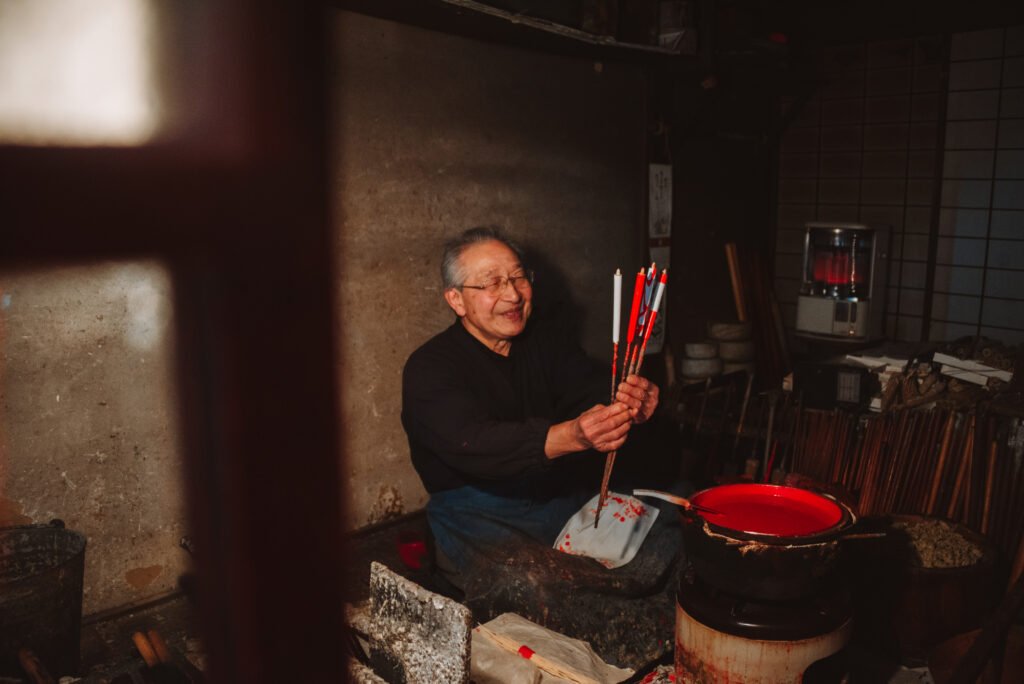
Hida Furukawa candles are traditionally made from sumac wax, which burns without smoke or soot and produces a clean, natural light. Unlike typical paraffin candles, they are eco-friendly, fragrance-free, and have a long, steady burn—perfect for meditative or ceremonial use.
And here you get the chance to learn from the masters in a traditional store/home!
Where is Hida-Furukawa
Hida Furukawa is a small, historic town in Gifu Prefecture, central Japan, about 30 minutes from Takayama by train
While many flock to Shirakawa-go nearby, Hida-furukawa remains a hidden gem with traditional Edo-period street, canals, and yes, those traditional crafts to match.
Traditional Japanese Workshop alternatives
Klook.com9. Ride a unique double-decker gondola to the Japanese Alps – Shinhotaka ropeway


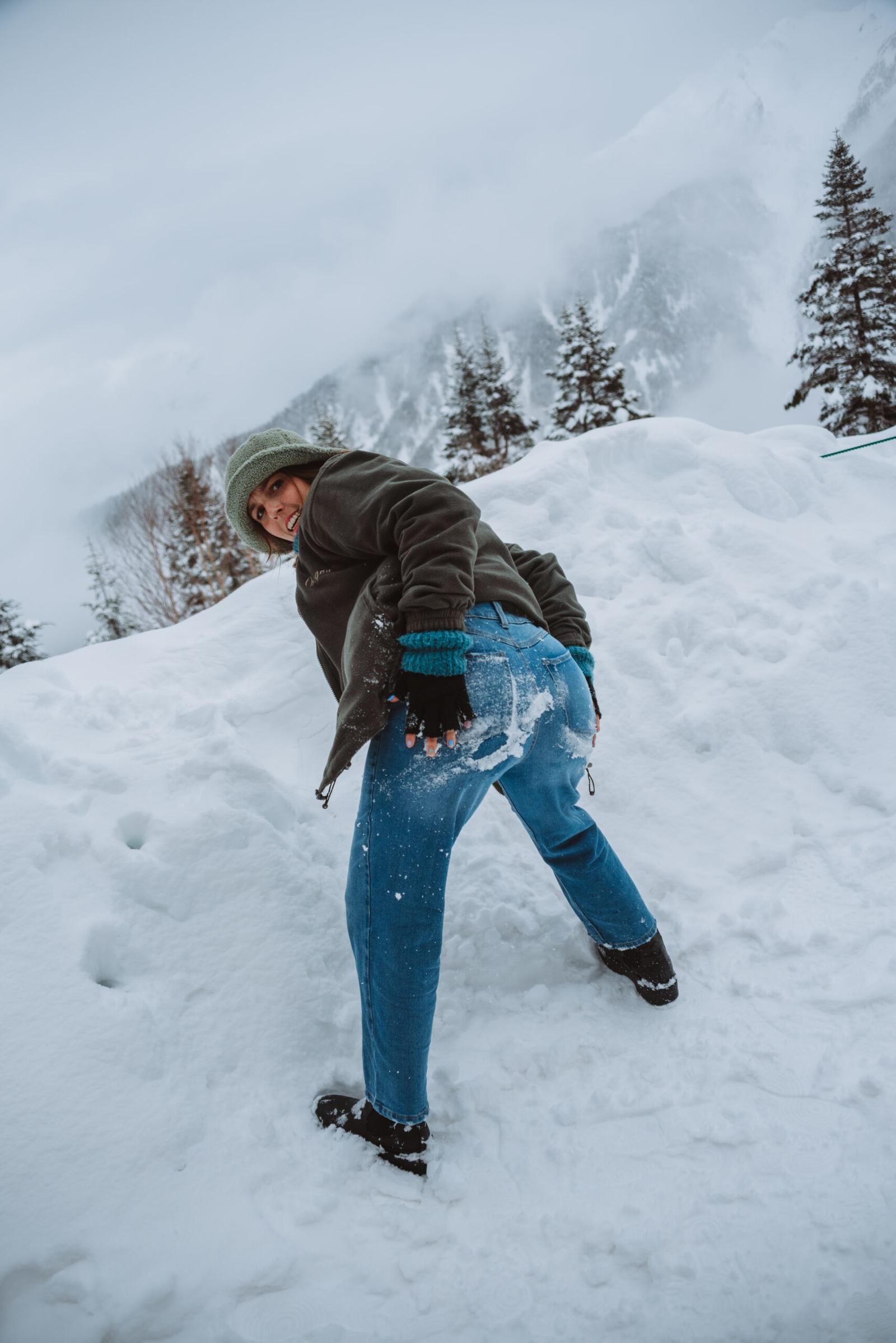
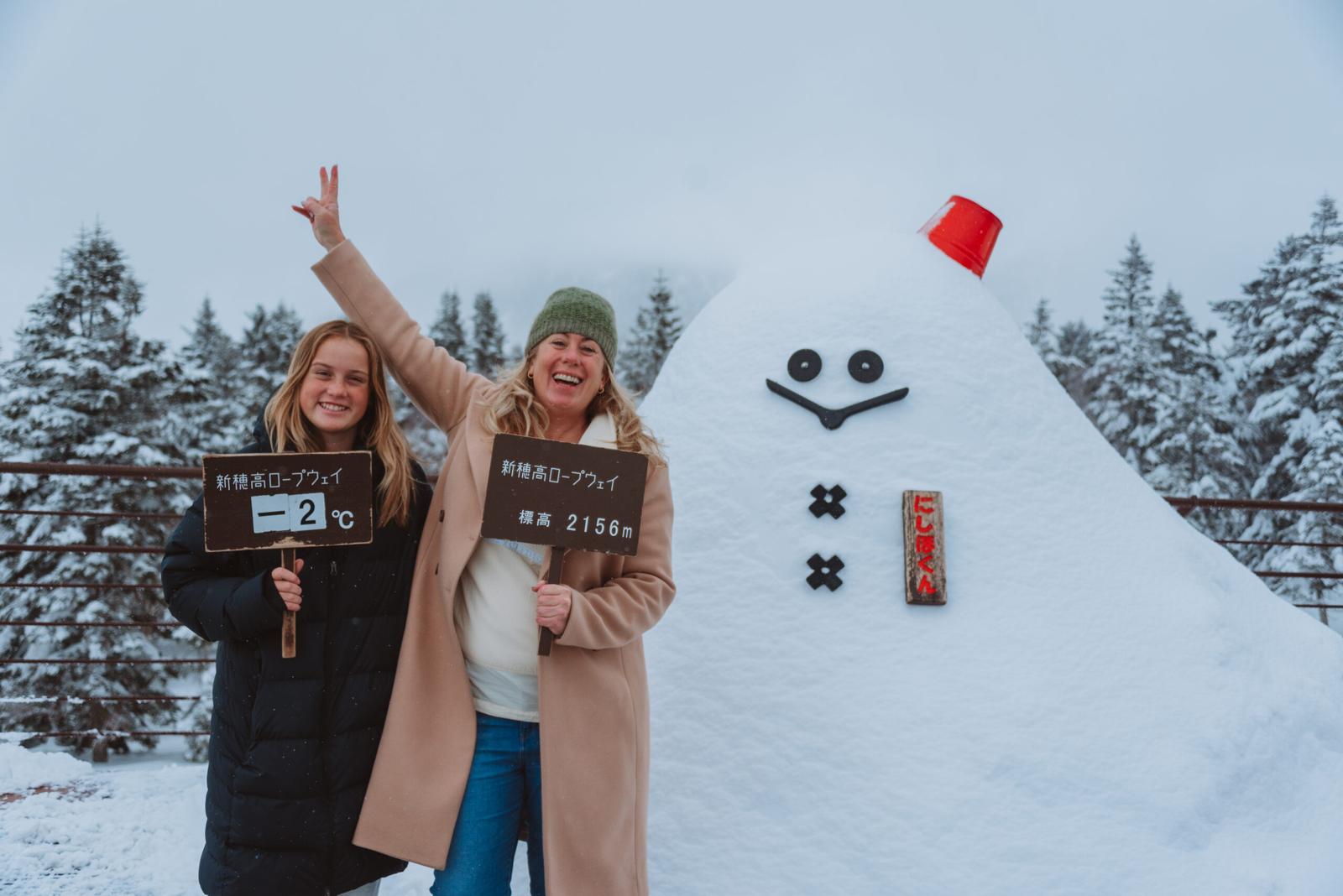
The Shinhotaka Ropeway is a double-decker cable car that climbs into the Northern Japanese Alps, offering dramatic panoramic views of rugged peaks, alpine forests, and snow-covered valleys. Or if you are like me, maybe just a thick wall of white cloud haha
It’s one of the few double-decker gondolas in Japan taking you from the base station at Hirayu Onsen up the mountainside to two observation decks:
- Okuhida Peak (top deck, 2,156m above sea level) – 360° panoramic views of the Northern Alps, including Mount Hotaka and Mount Yake
- Nishiho Peak (first deck)
10. Get dressed up in a traditional Kimono
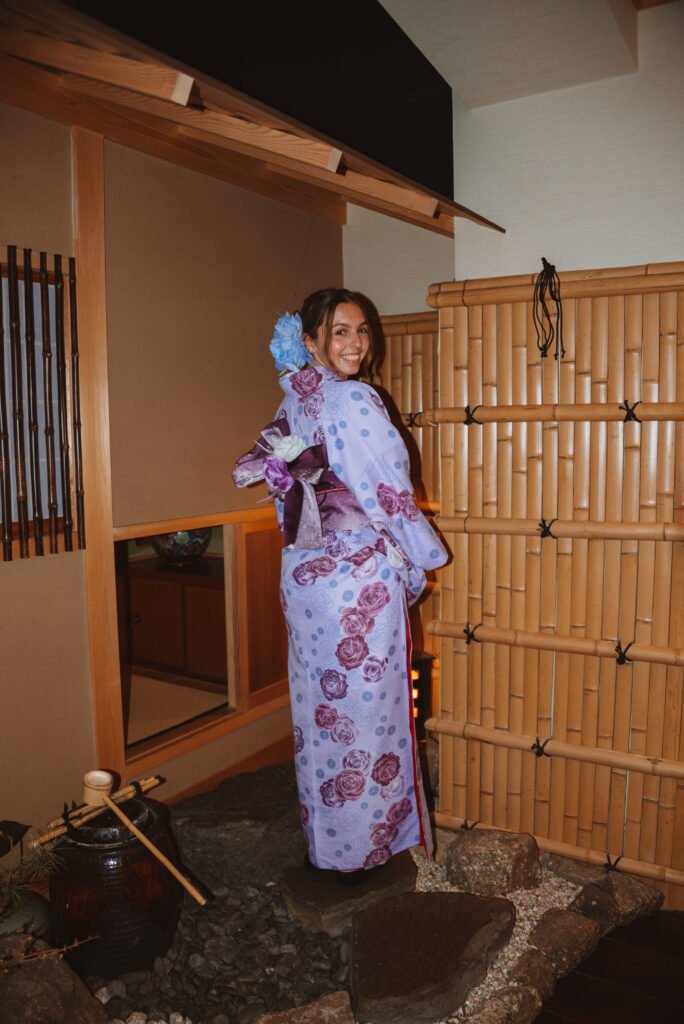
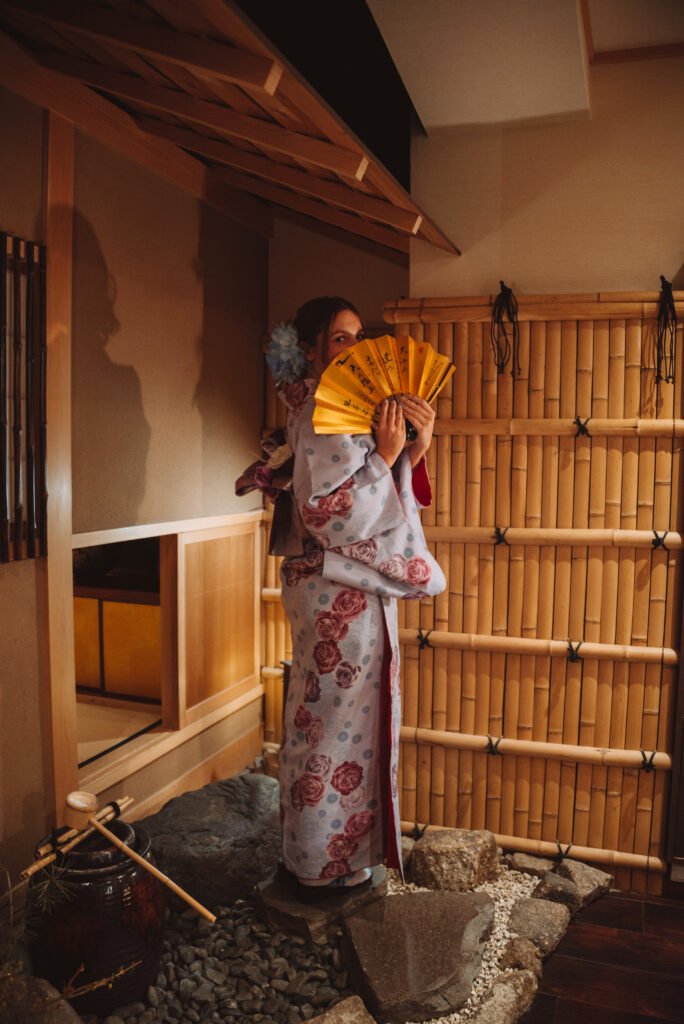
I did this experience inside the Japanese Multi-Arts School in Tokyo and LOVED the extra attention to detail that was taken for a more intimate and in-depth experience, although it is most popular to do as a day hire, where you can wear it outside for photos around some of Japan’s famous sites.
Many locals encourage Kimono experiences as cultural appreciation and understanding. Most rental shops and workshops require advance booking,
Typically ranging from ¥3,000–¥10,000 depending on the kimono, accessories, and optional hair styling or photography. Rentals usually last 2–4 hours, while instructional workshops may take 1–2 hours.
Find your dream Kimono Experience
Klook.com11. Attend a Sumo Show
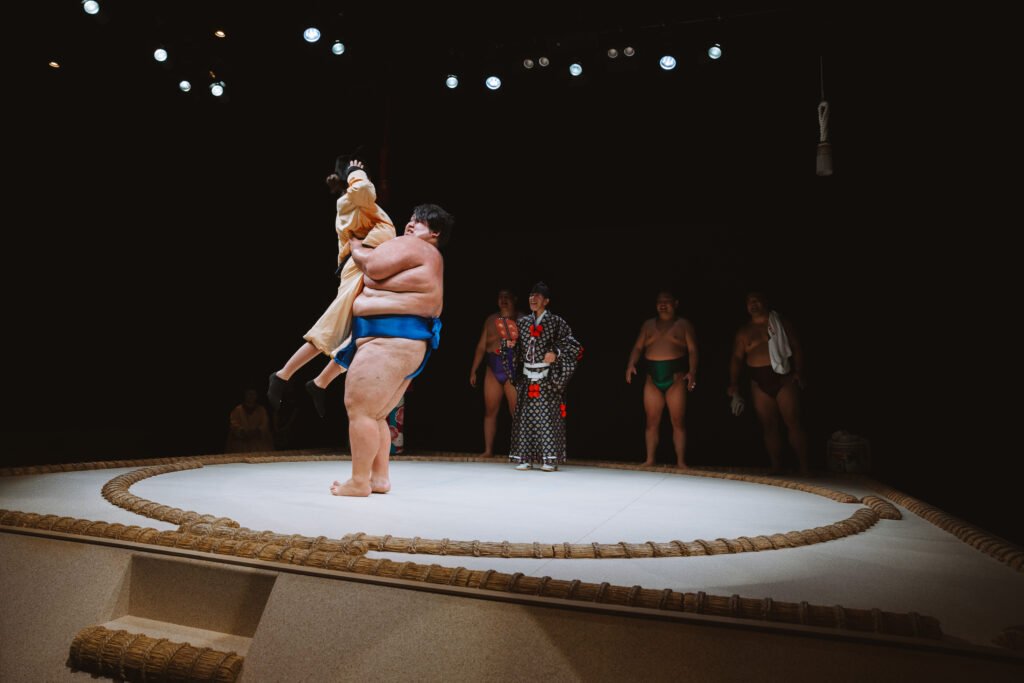
Sumo is a traditional Japanese wrestling event, featuring sumo wrestlers (rikishi) competing in matches steeped in ritual and history. This is your chance to experience Japan’s oldest professional sport, with traditions and pageantry that have been preserved for centuries.
While most shows now are catered as more of an edutainment experience for tourists, it is a fun way to experience the culture.
Where to book a sumo show in Japan
We booked the SUMO HALL HIRAKUZA OSAKA experience on Klook, not really knowing what to expect. Even though we didn’t win the raffle to get dressed up in the fake sumo suit to take on the legends, we were so surprised by how fun, interactive and impressive this show was.
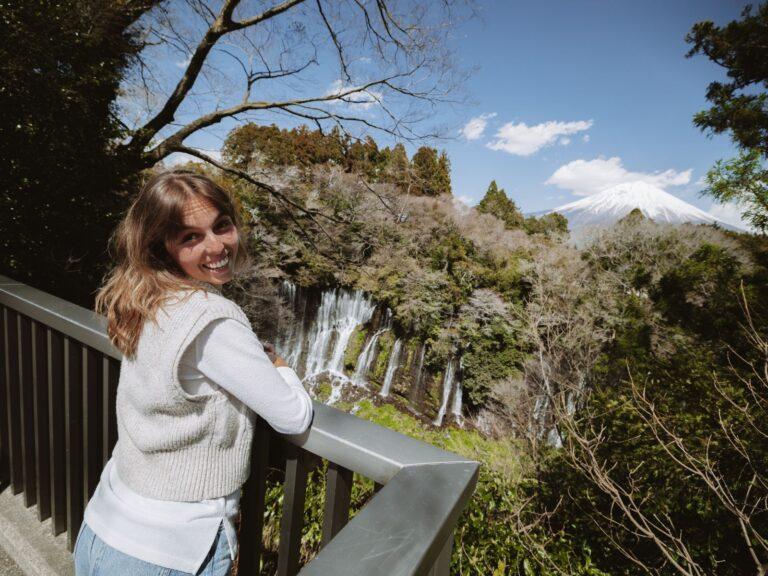
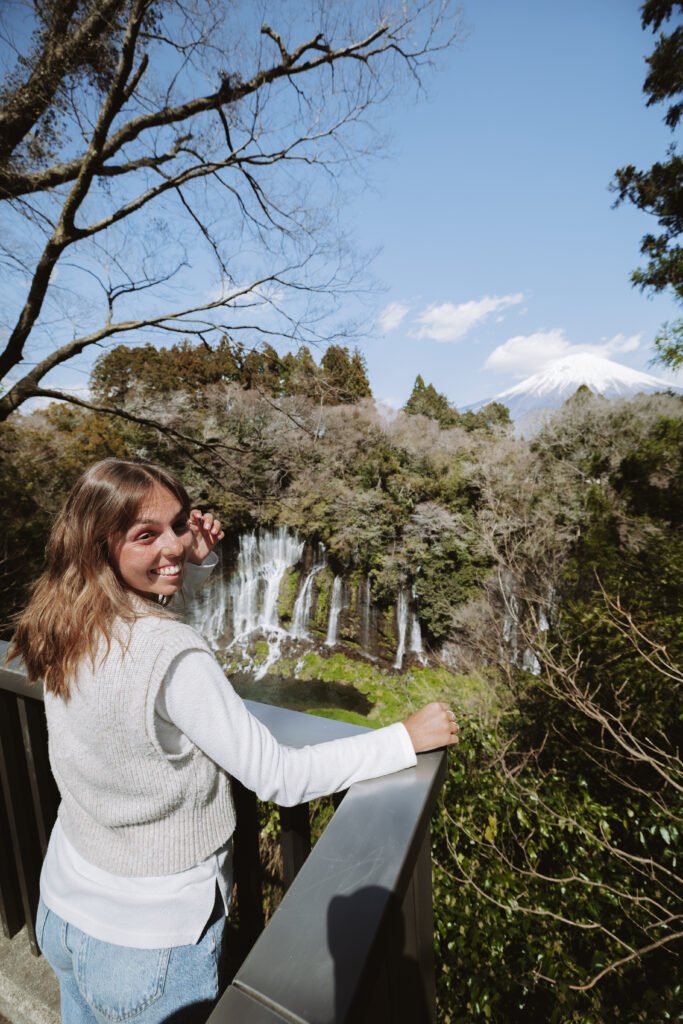
12. See the waterfall with Mt Fuji View

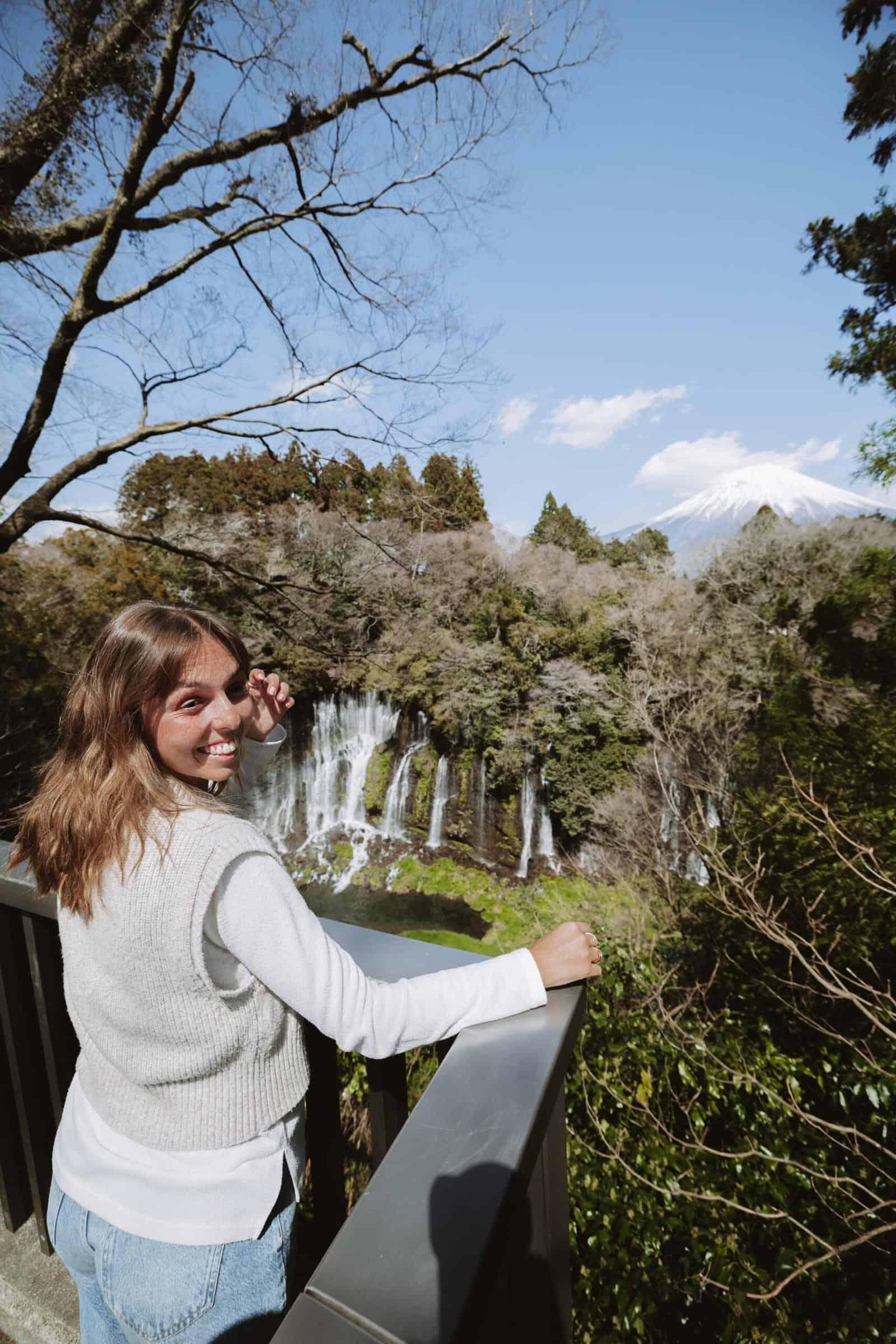
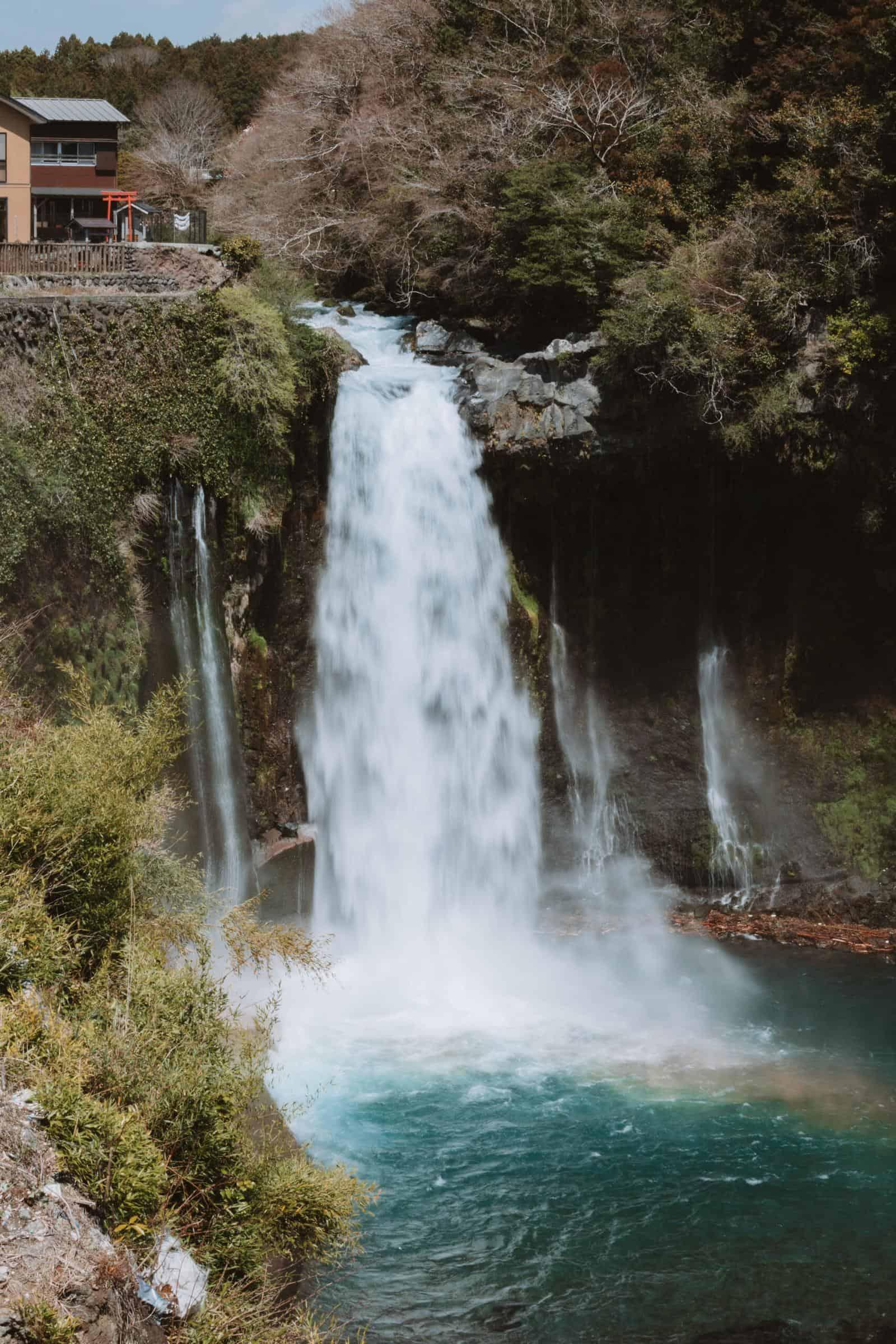
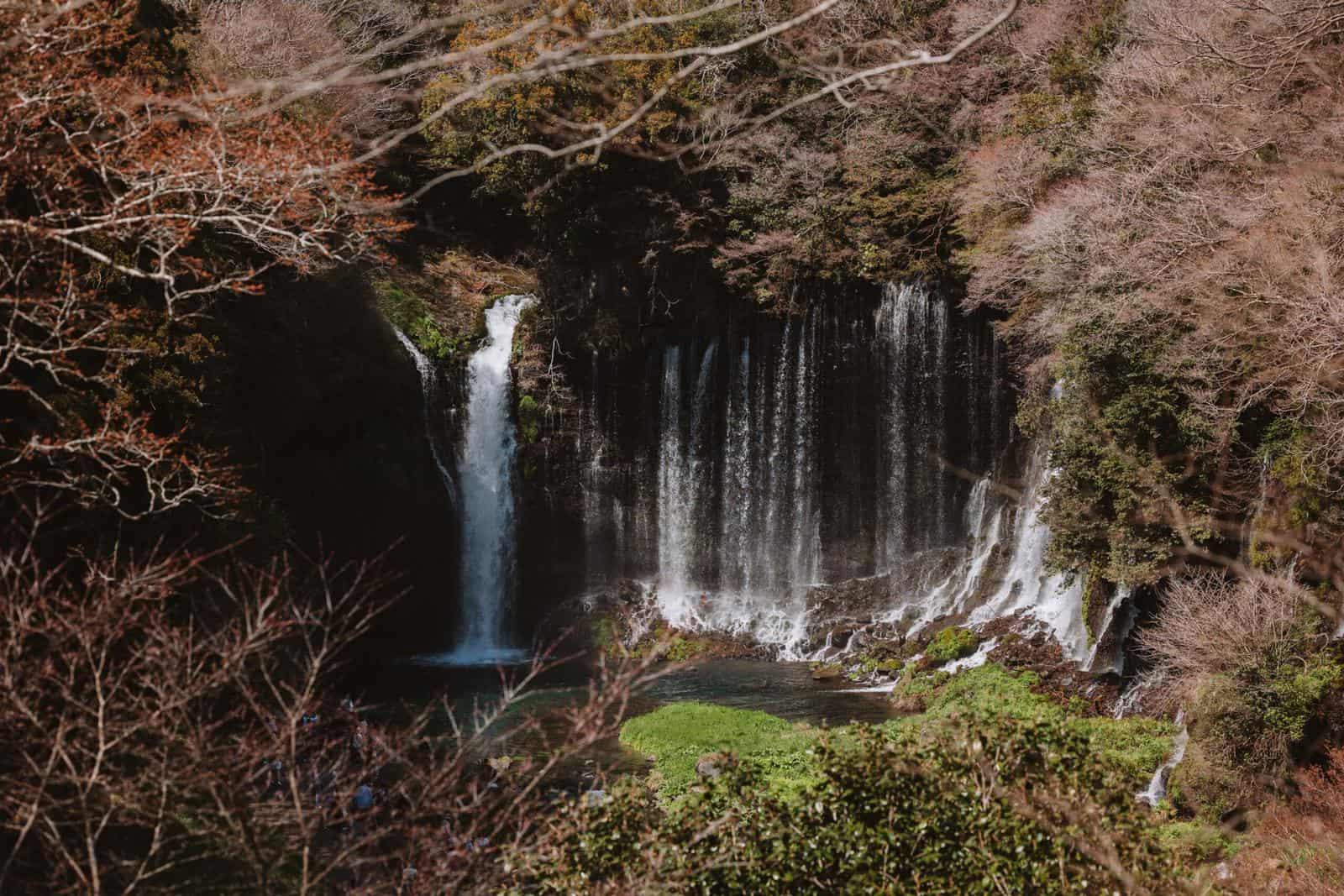
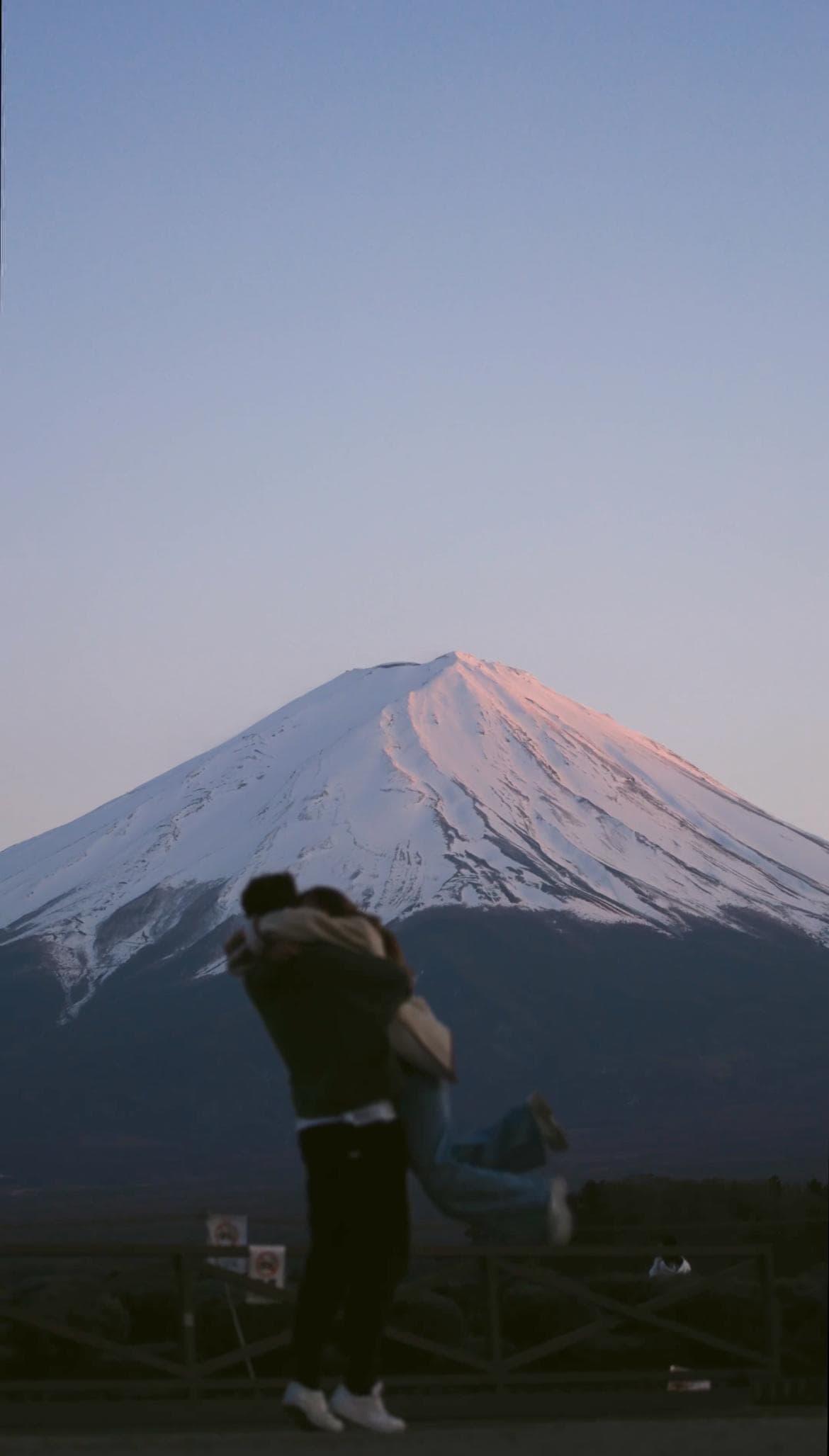
For all the juicy details, discounts and a few bonus Fuji spots to beat the crowds you should read my MT FUJI GUIDE HERE.
Shh don’t tell anyone but this jaw-dropping set of waterfalls with Mt Fuji views has to be my favourite of all.
While it has become a popular stop on many Mt Fuji day tours, there are always areas here you can find a moment all to yourself.
Like at the most iconic viewpoint of the main waterfalls and Mt Fuji proudly in the background, you need to loop down across the main falls and up the stairs on the other side. The path does look a little hidden and steep but it is quick to the top platform.
📍Where is Shiraito Falls
Shiraito Falls is located in Fujinomiya, Shizuoka Prefecture.
13. ‘Mario Karting’ around Tokyo (or Osaka)
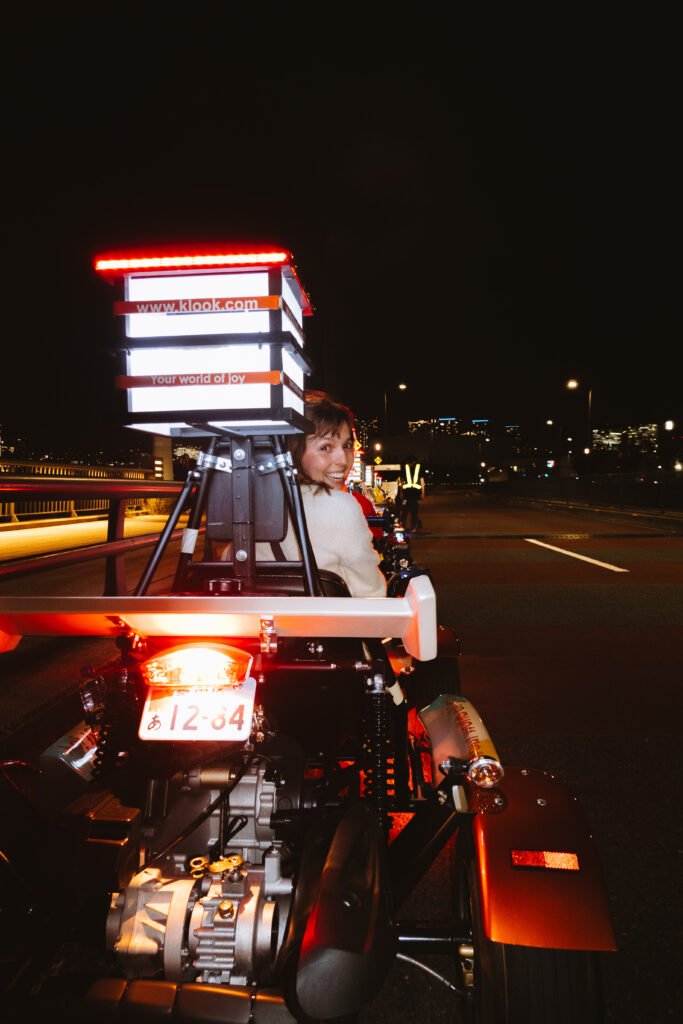
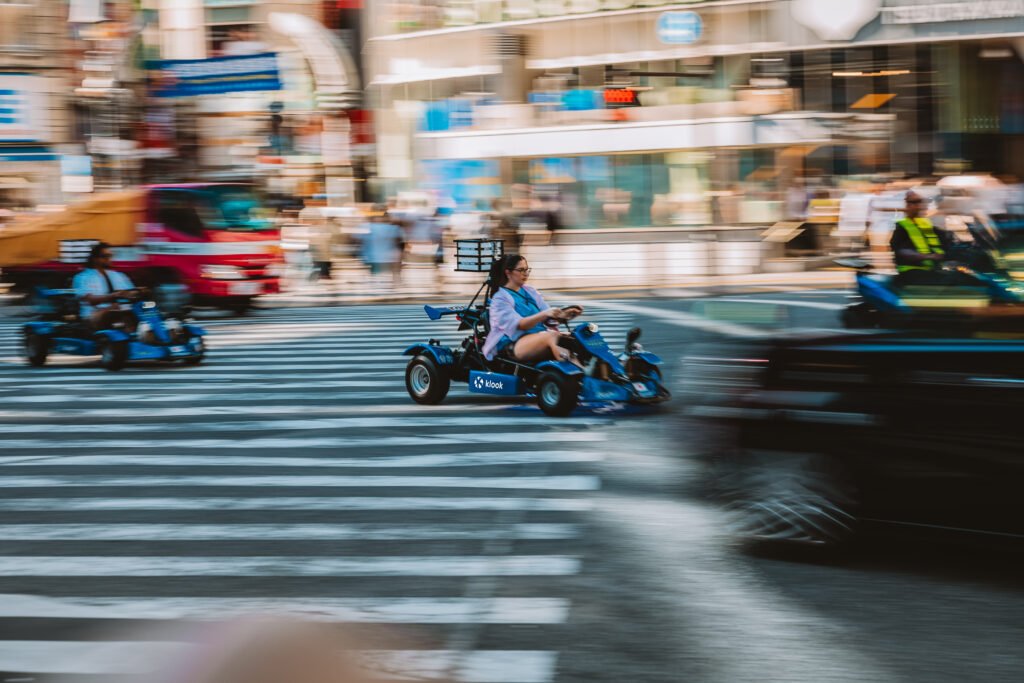
Go-Karting is a real-life street karting experience in Japan, where you get to dress up as your favourite characters and drive small, somehow road-legal go-karts through busy city streets.
You’ll notice they can’t legally name it after the famous video game anymore, after some legal issues, but the experience remains the same. Solidifying it as one of the top things to do in Tokyo and Osaka.
Where to book your Japan Karting experience
Klook is my Japan booking platform go-to with the best range of activities, great cancellation policies and some sweet discounts.
Yes I am an affiliate now, but that has not stopped me from giving my brutally honest opinion and going behind the scenes to find out all the inside goss (and even more discounts) for you.
IS KLOOK LEGIT? Read the guide here
My brutally honest Go-Karting review
I am not going to lie, I loved, then hated, then loved this experience. It didn’t help that my kart broke down in the middle of the highway (just my luck).
You can watch my full recap here.
Overall, I will say this is NOT a good sightseeing tour, but it is a really fun and unique way to experience the city if you go in with the right expectation of that.
14. Say hey to Mario in real life at Universal Studios Japan
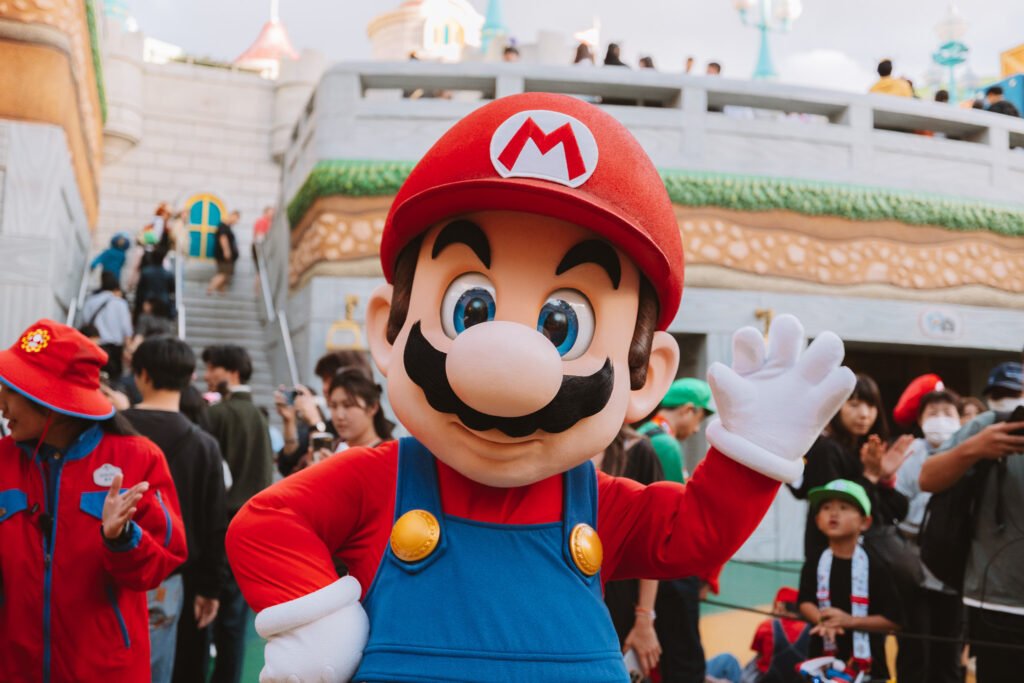
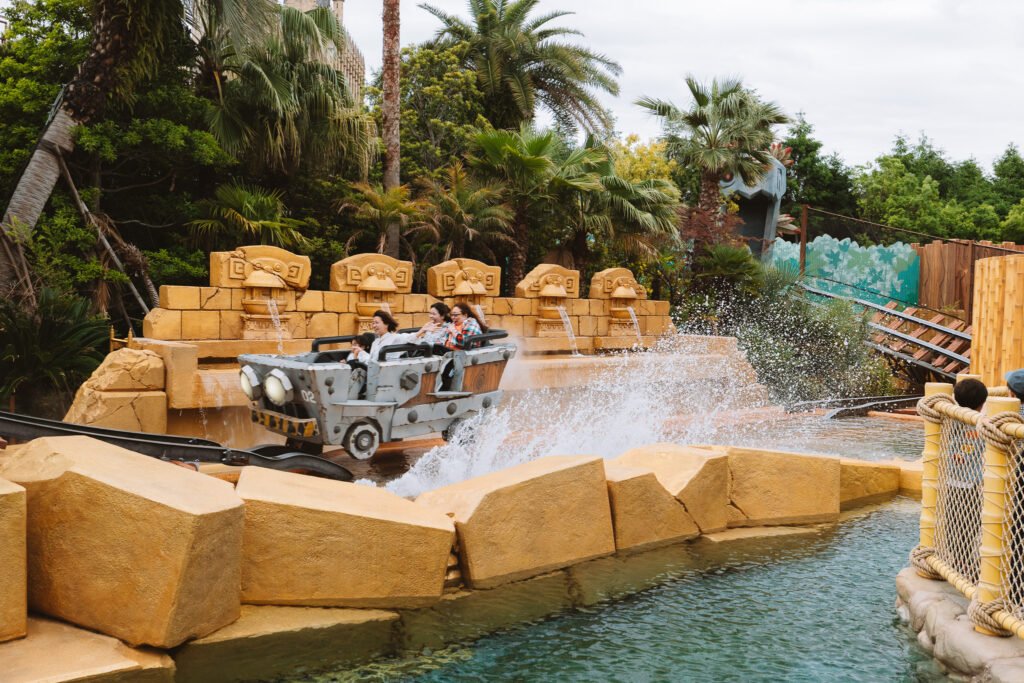
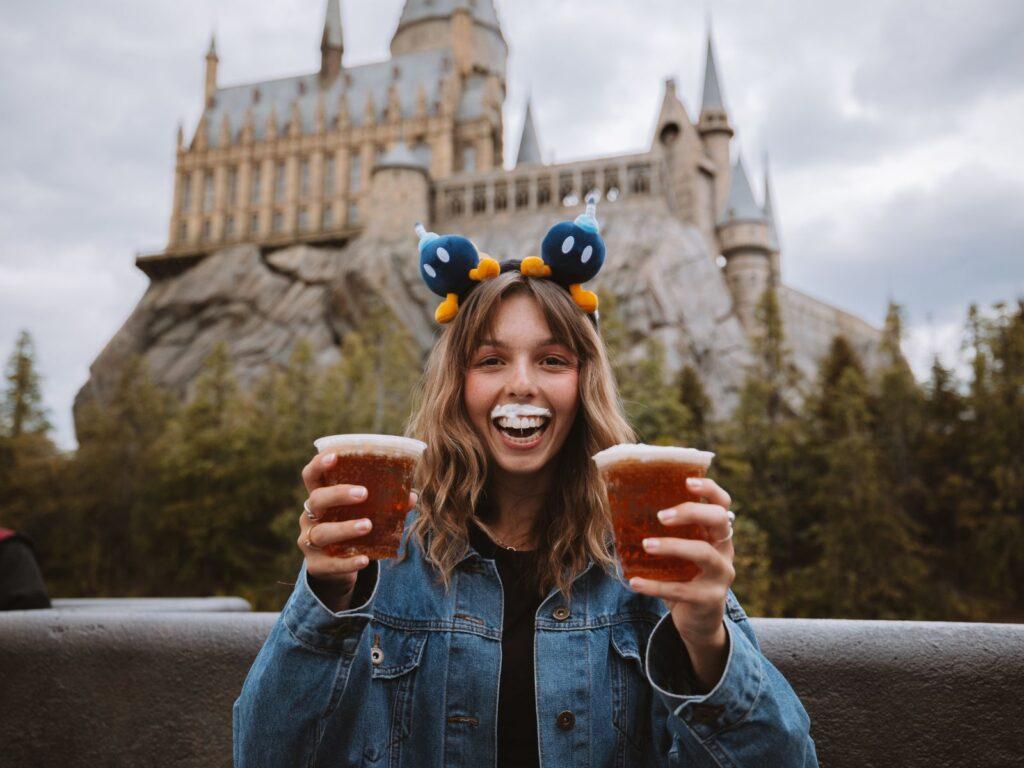

Universal Studios Japan has become a staple for any trip to Osaka with 11 unique lands each filled to the brim with weird and wonderful rides, attractions, performances and food to match.
USJ is the biggest theme park is Asia yet it is most well known for its Super Nintendo World + world’s first Donkey Kong Country where you get to be part of the colourful Nintendo universe.
How to book tickets for USJ
There are so many types of passes, add ons and exceptions it can feel like a rollercoaster just trying to get a ticket.
To uncomplicate things, I recommend booking your tickets in advance through Klook. You will get instant confirmation with your e-ticket sent directly to your inbox and best of all, there are no pesky currency conversion fees.
Klook.comWhat to know before you go to USJ
I have you covered with the UNIVERSAL STUDIOS JAPAN SURVIVAL GUIDE
15. Visit the only DisneySea theme park in the world


Tokyo DisneySea is the Largest Disney Park in the world and the first and only Disney park dedicated to the theme of the sea with a blend of classic Disney Magic.
Tokyo DisneySea is well worth the visit if you find yourself in Japan. In fact, out of all of the Japanese Theme Parks, it is the one I am most excited to return for with surprisingly affordable and delicious food, unique rides and a volcanic nighttime spectacular!
How to book DisneySea
I recommend booking your Tokyo Disneyland tickets through Klook!
You will be able to search and pay for both Tokyo Disneyland and DisneySea tickets in one place.
With a few bonuses like customer support, dedicated guides and free cancellation up to 14 days prior. Not to mention, Instant Confirmation will be emailed a QR code that you scan at the park entrance.
My brutally honest review of Tokyo DisneySea
Unique Onsens in Japan
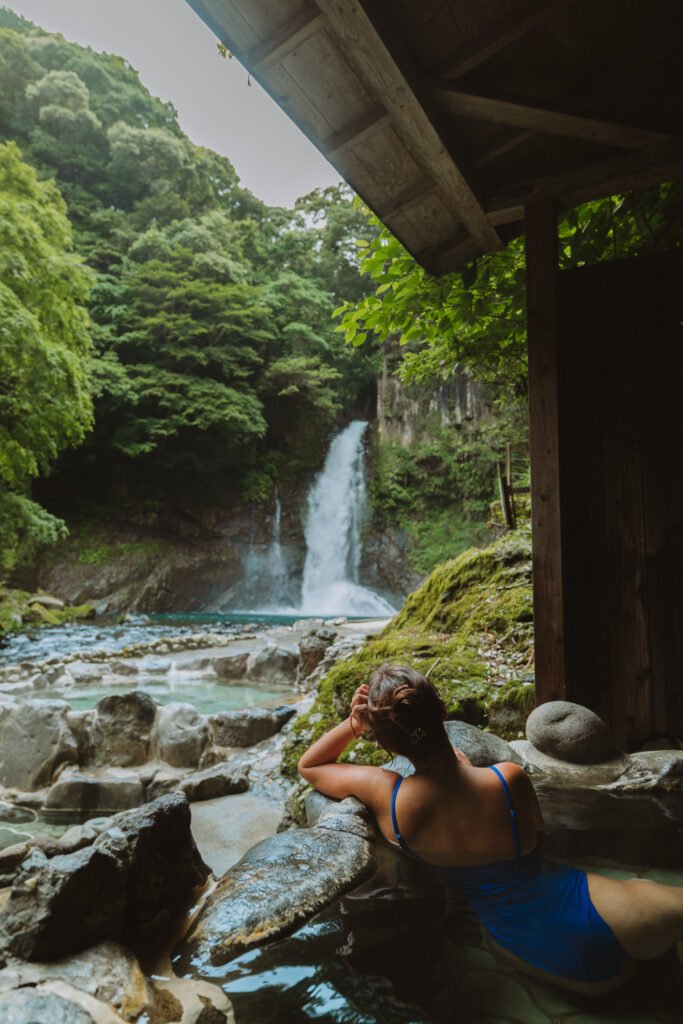
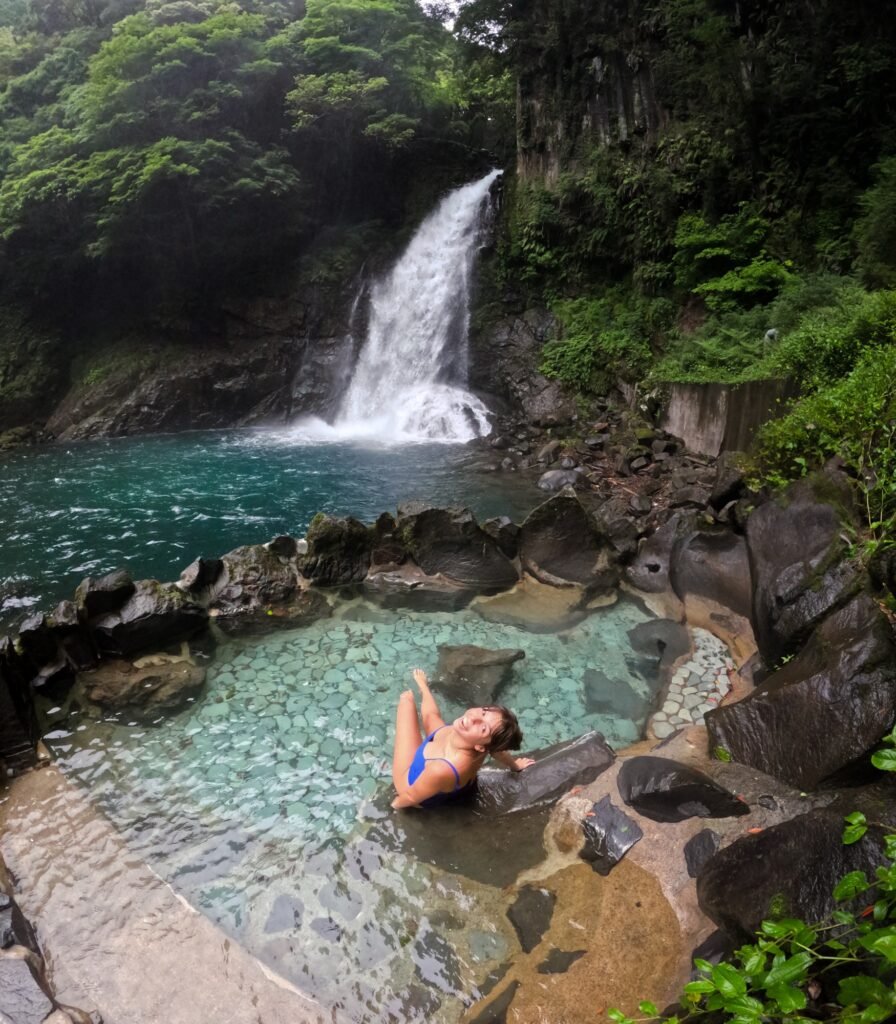
16. Soak in the tattoo-friendly waterfall onsen
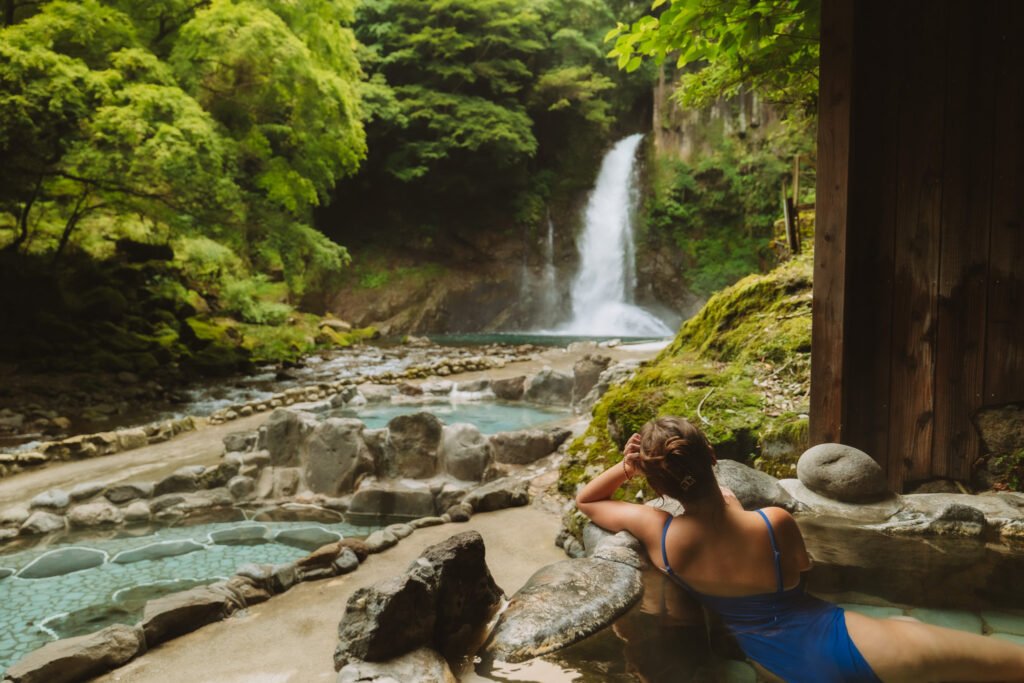
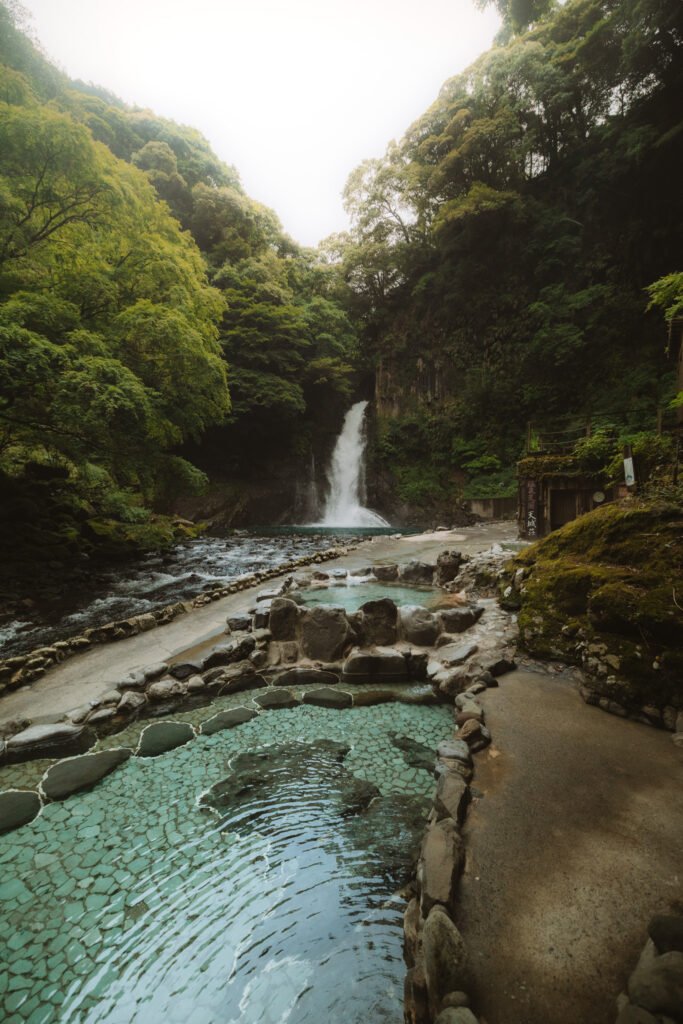

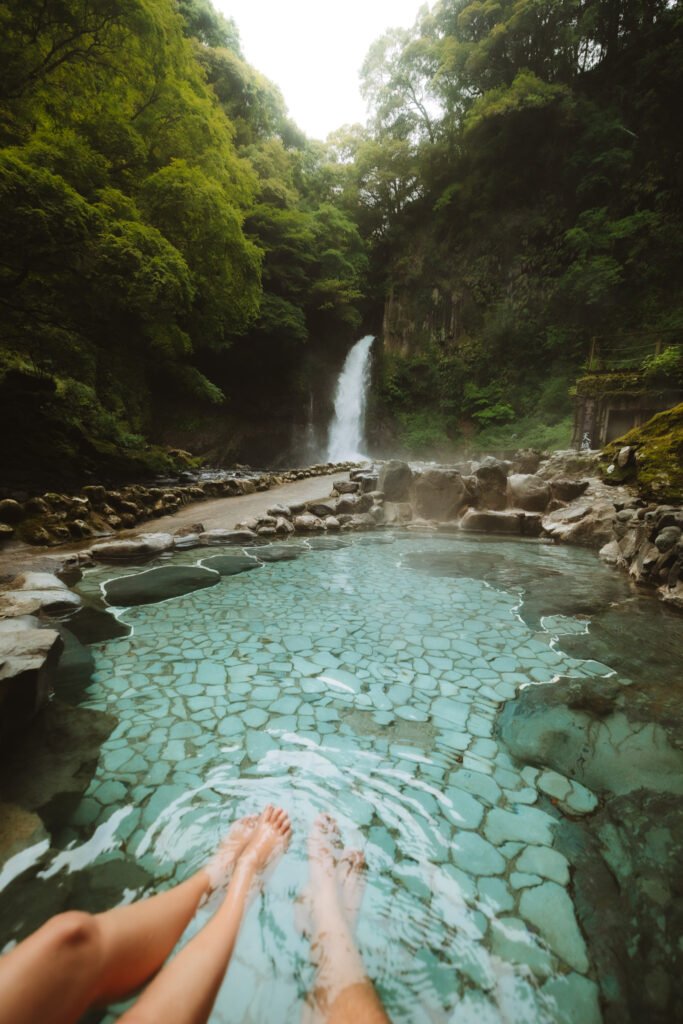
Just imagine hopping between 8 varied temperature open-air baths along the river you can take a quick cold plunge into before a dip in the hot spring lap pool, maybe even down to the mysterious cave baths too. And if you’d already seen my viral reel, you’d know that it is also tattoo-friendly!
This unique mixed-gender onsen may be part of the Amagiso Hotel complex, but it will make you feel like you have been transported into a fairytale.
📍 Where is Amagiso Onsen
Find yourself in the lush forest of the Izu Peninsula, at the bottom of the Kawazu Seven Waterfalls trail. Amagiso Odaru Falls is the biggest of them all at 30m, making the perfect backdrop for soaking and swimming.
What to know before you go to Amagiso Odaru Onsen
These unique hot springs are part of the Amagiso Resort property. Unfortunately, the hotel itself burnt down a couple of years ago so you may not be able to stay overnight but you can enjoy the facilities with a day pass bought on site.
Klook.com17. the 24hr, 9-storey onsen 360 Rooftop footspa

yes, you heard that right…
This is a 24HR, 9-STOREY ONSEN in Tokyo!
With everything from day passes to overnight hotel stays and private spa experiences, it is a unique escape from the chaos of the big city, despite being right in amongst it.
Don’t forget to try the all-you-can-eat buffet options throughout your visit! The lunch was the BEST and freshest buffet I have ever had. Check out my full stay recap video HERE
Where to book your Tokyo Onsen experience
BOOK THE DAY PASS: the Senkyaku Banrai Toyosu Manyo Club Onsen Experience in Tokyo
SPLURGE ON AN OVERNIGHT HOTEL STAY: Tokyo Toyosu Manyo Club
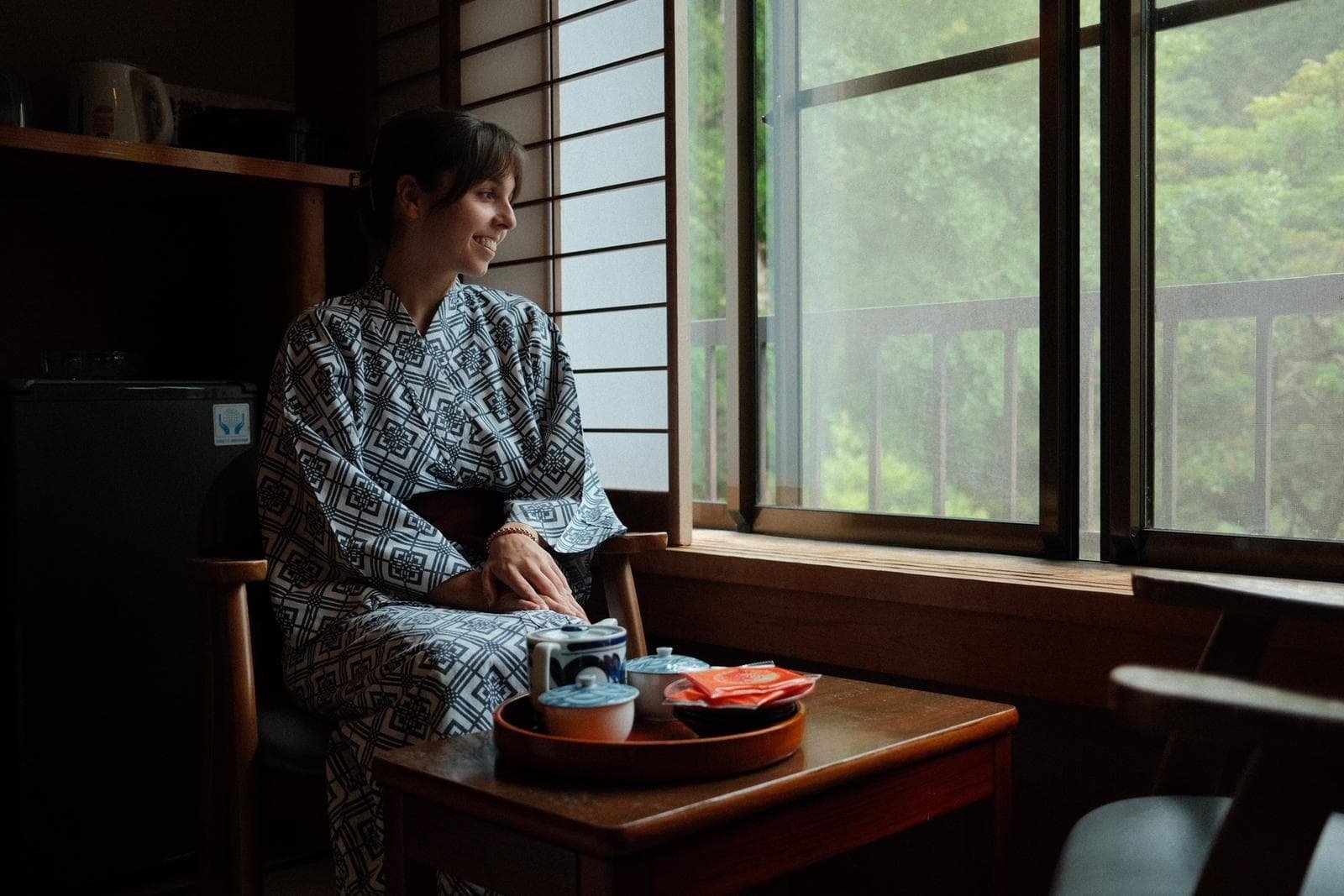
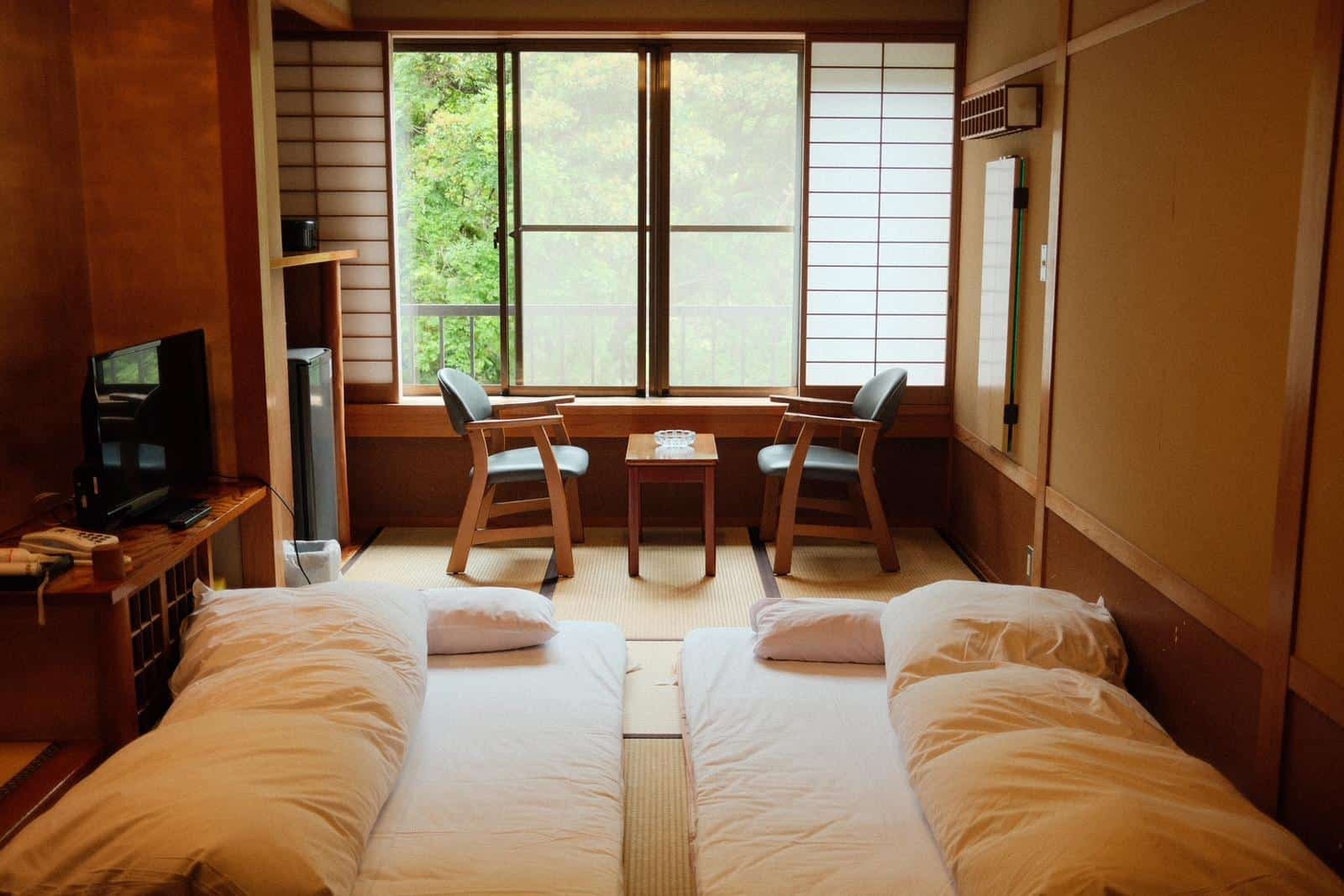
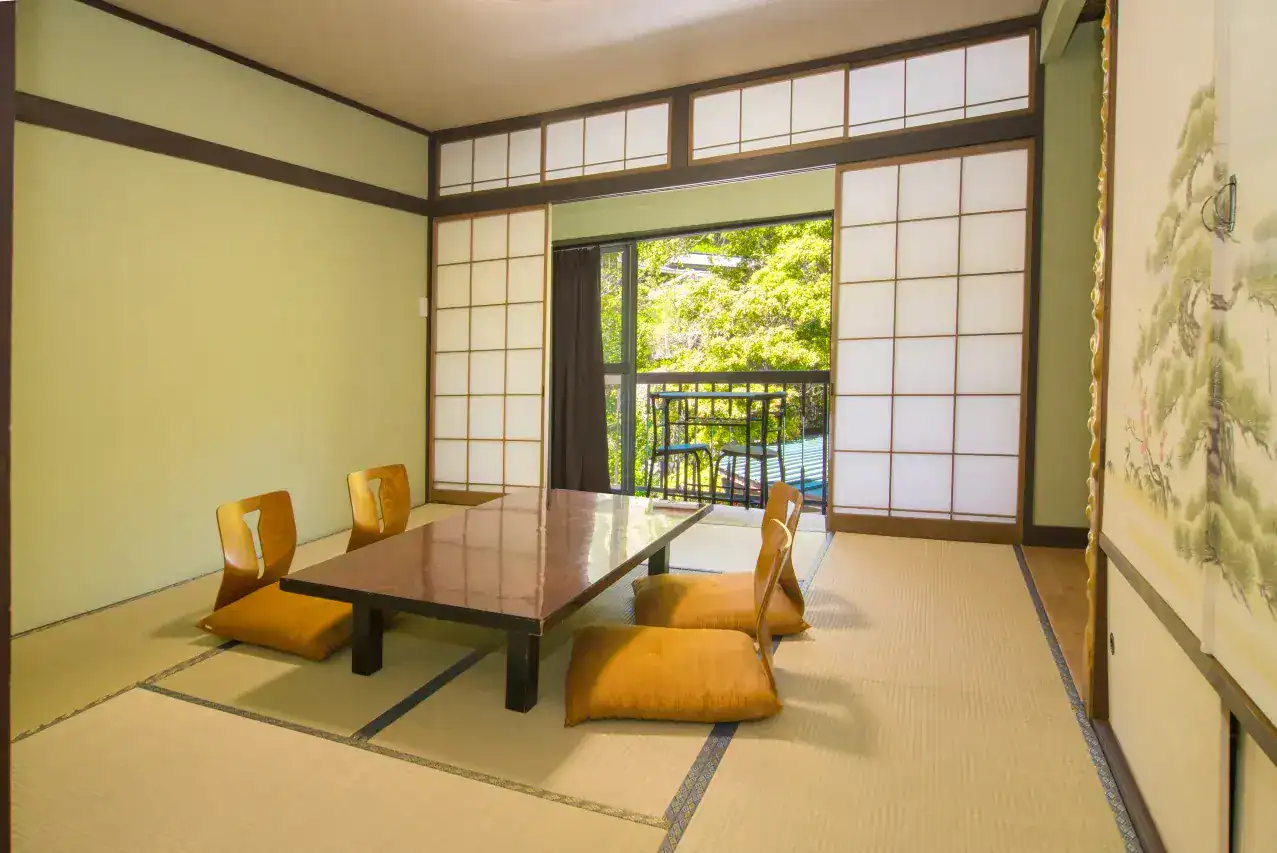
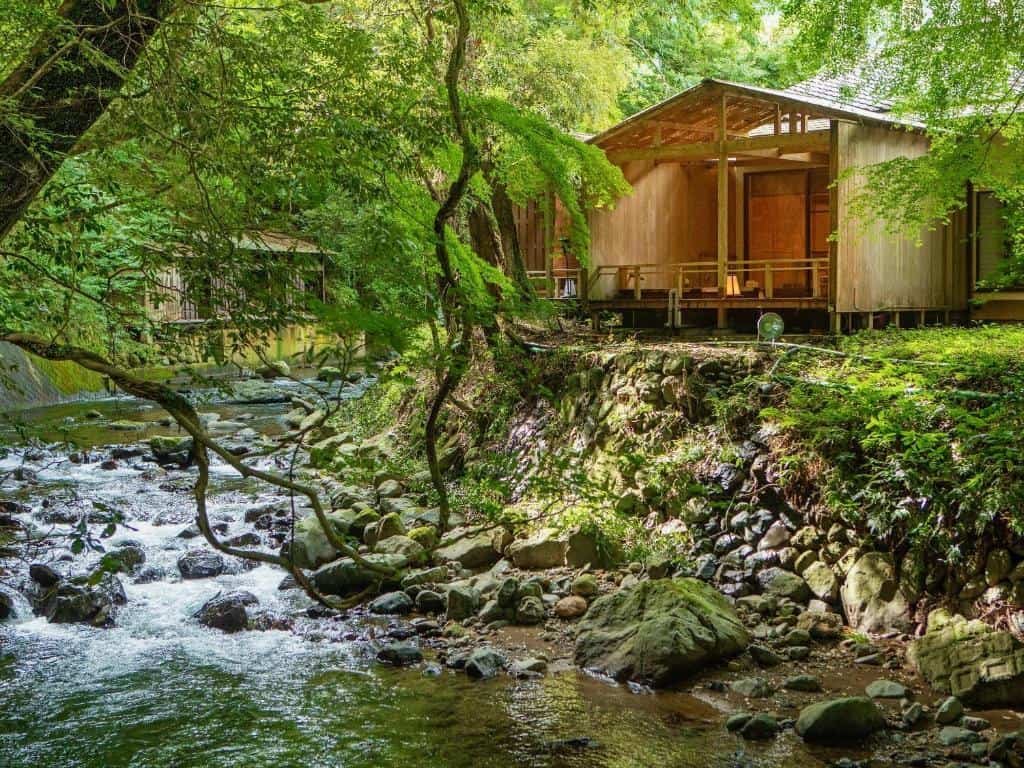
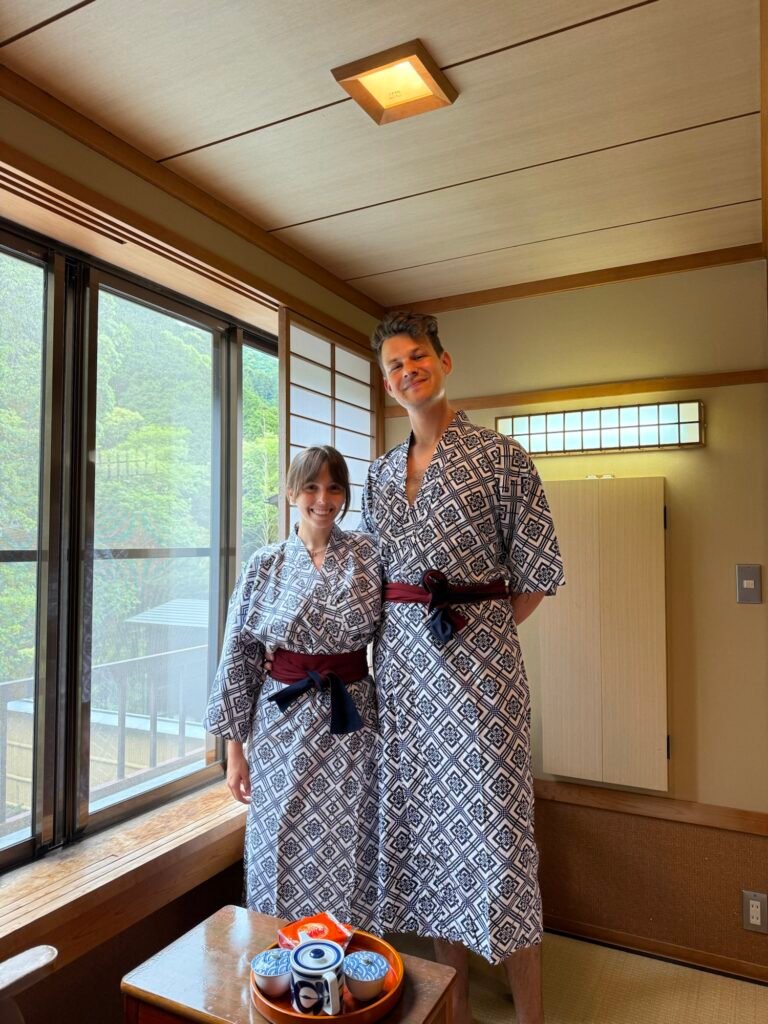
18. A traditional ryokan with 5 private onsens starting from only $150 a night
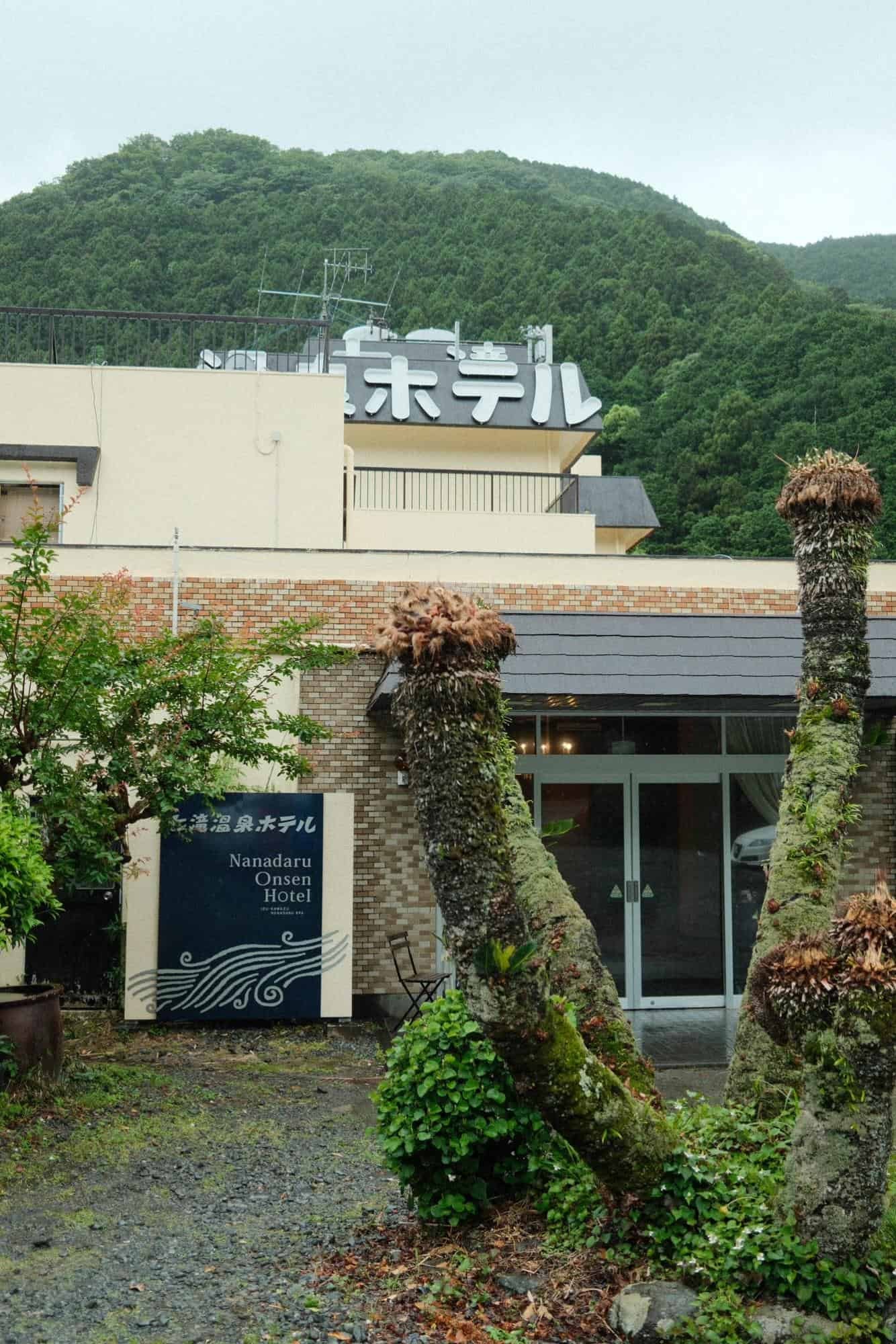
I can’t lie, I was pretty bummed to find out the iconic Amagiso waterfall onsen hotel burnt down and is still closed for renovations…
Luckily, the unique waterfall onsen remains open with day passes for only ¥1000/$10
PLUS, for those still wanting to strip off for a more traditional onsen experience, we stumbled across this hidden gem stay right next door with prices starting from only $140 a night!!!
They do still offer traditional male and female bathing experiences but these rotate at certain times of the day to be available for private sessions at no extra cost!
Nanadaru do offer specialty dining packages, however we went on a ramen hunt in Kawazu instead (a story for another day!)
📍 Where is Nanandaru Onsen Hotel
Along the Kawazu Seven Waterfall Trail on the Izu Peninsula, south of Tokyo.
Booking your unique ryokan stay in Kawazu
Kawazu, Japan

Kawazu, Japan
Kawazu, Japan
19. Dig your own onsen in a hot spring river – Kawayu River Onsen (Seninburo)
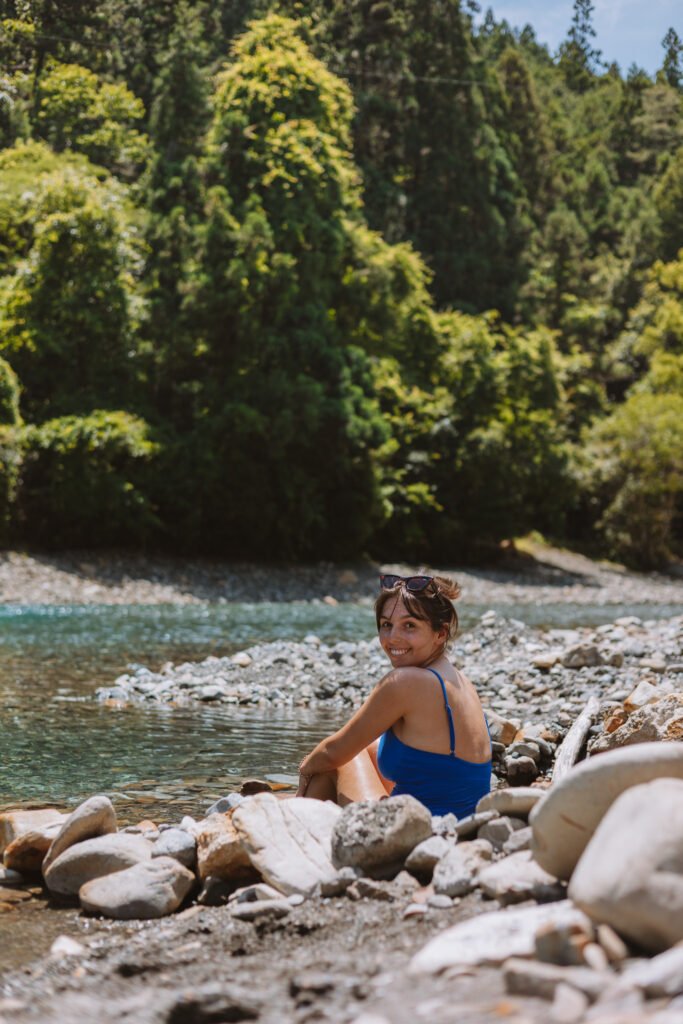
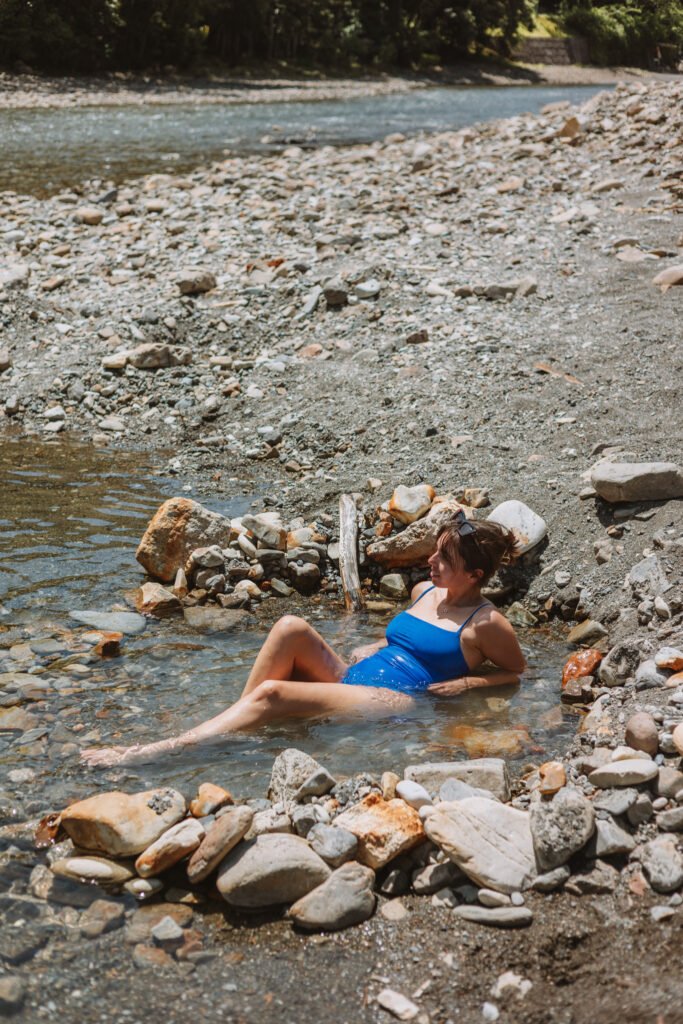
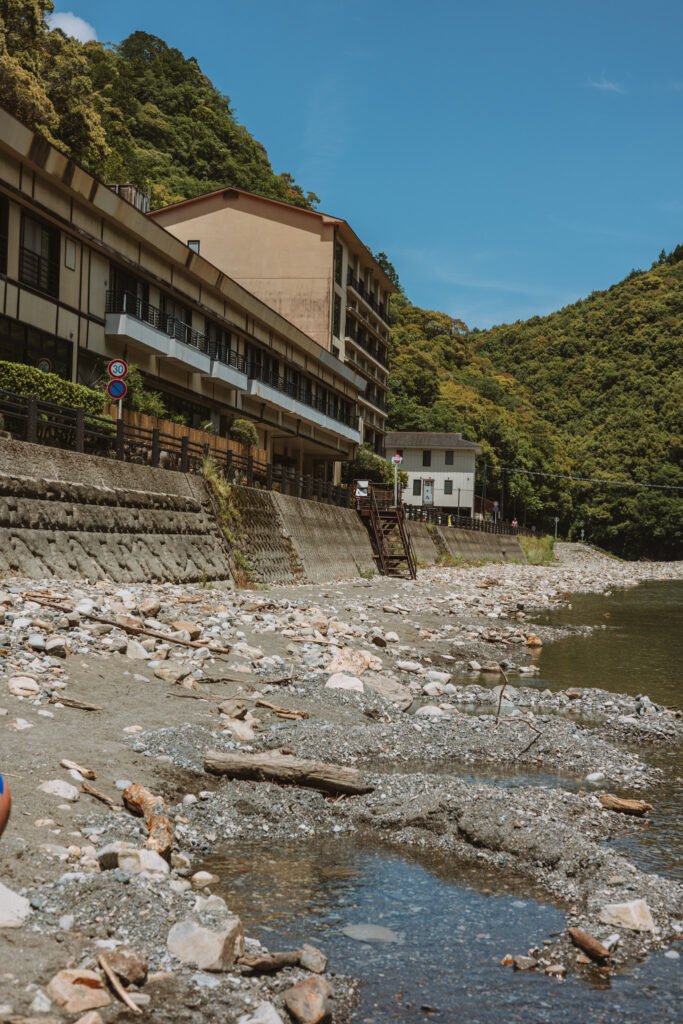
On a mini road trip to the tallest waterfall in Japan we spotted a cluster of onsen on the map. After a quick Google search to see if any were tattoo-friendly, we hit the jackpot, stumbling across this unique river hot spring spot.
Where you dig your own bath, letting the hot springs bubble up from the riverbed to soak in FOR FREE!!!
Be careful because they are a scorching 73 degrees. Don’t worry the best part is that you can mix with the icy waters of Ohtou River to find your perfect soaking temp.
📍 Where is Seinburro
Kawayu Onsen is located in Tanabe, Wakayama Prefecture, deep in the mountains of the Kumano region and near the sacred Kumano Kodo pilgrimage trails.
What to know before you go to Seinburro
Swimsuits are required since it’s mixed-gender and outdoors. There is a car park with changing/shower facilities about 100m down the road.
20. See the bathhouse that inspired Spirited Away
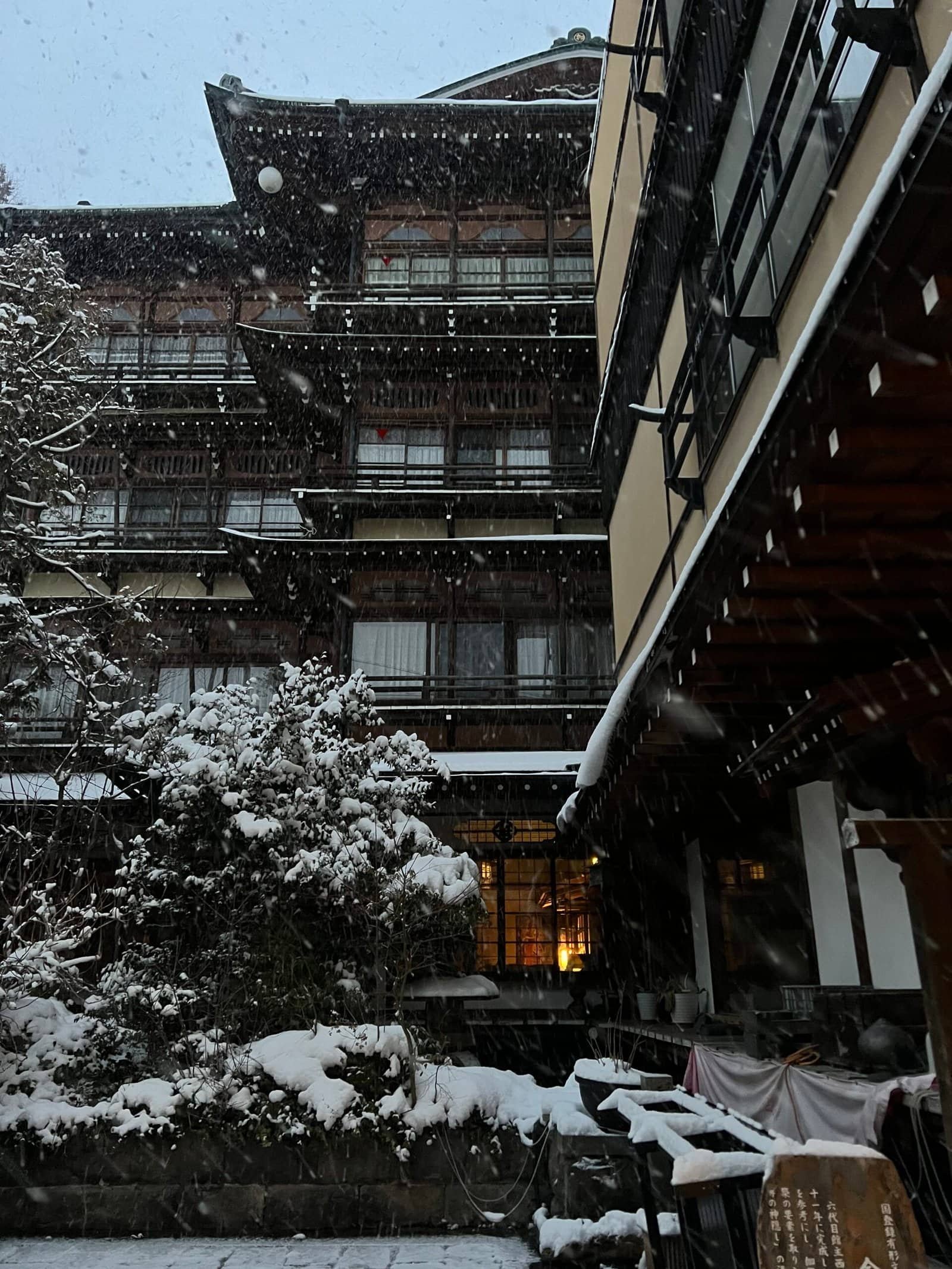
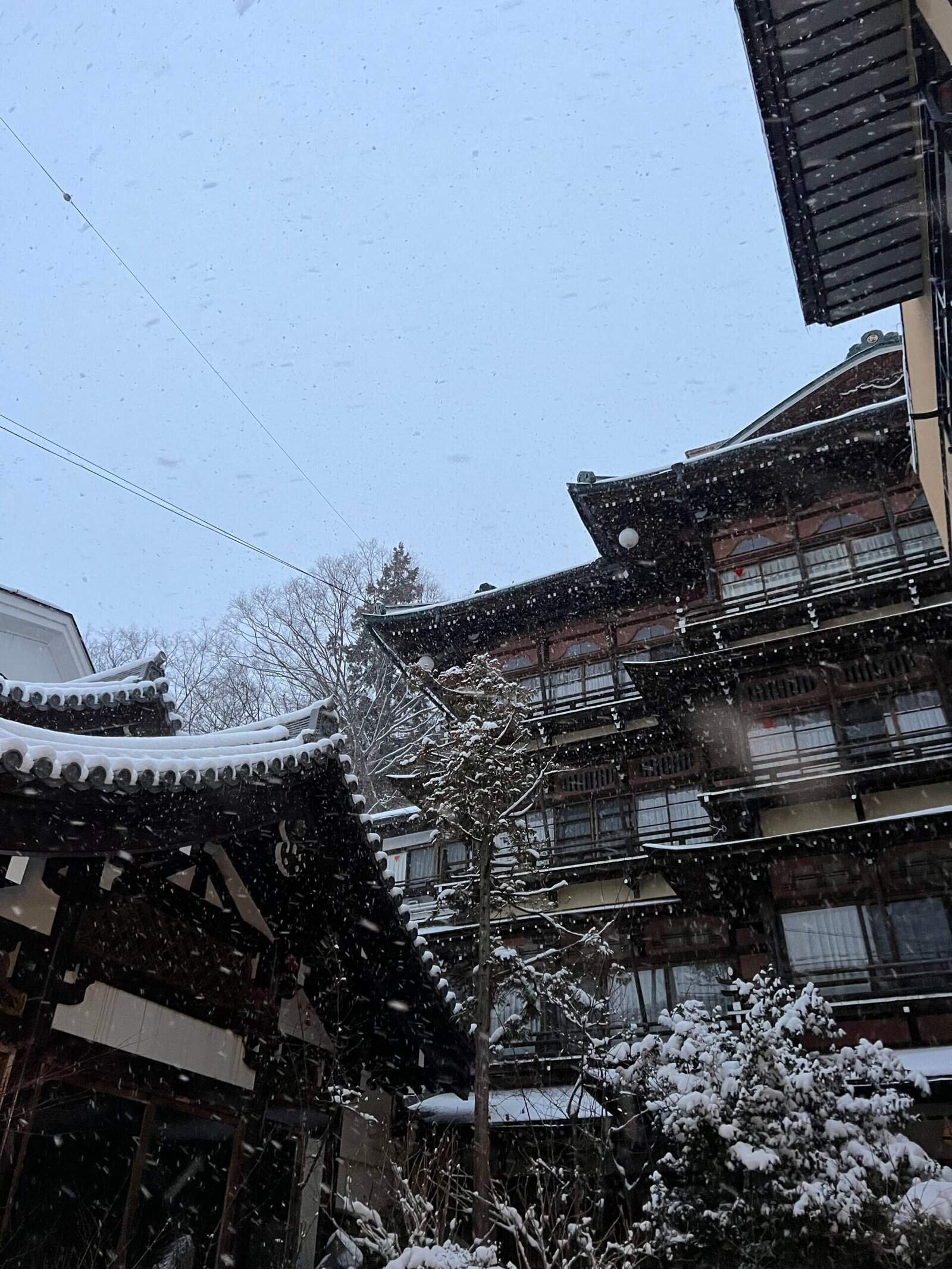
Down the road from the famous Snow Monkey Park you will find the historic and charming Shibu Onsen known for its narrow stone streets, traditional ryokan, and nine public onsen baths..
Honestly, the whole town is worth a visit for onsen hopping, especially in the snow but the main reason most people go is to see Kanaguya (金具屋).
The historic, multi-story wooden inn said to have inspired the bathhouse in Spirited Away. And after seeing it for myself, it is not hard to see why.
📍 Where is Shibu Onsen
This magical hot spring town is in Yamanouchi, Nagano Prefecture.
It sits just a few minutes from Jigokudani Snow Monkey Park and around 45 minutes from Nagano City, making it a popular base for visiting the snow monkeys or Ghibili fans.
21. Play mermaids in a unique cave onsen
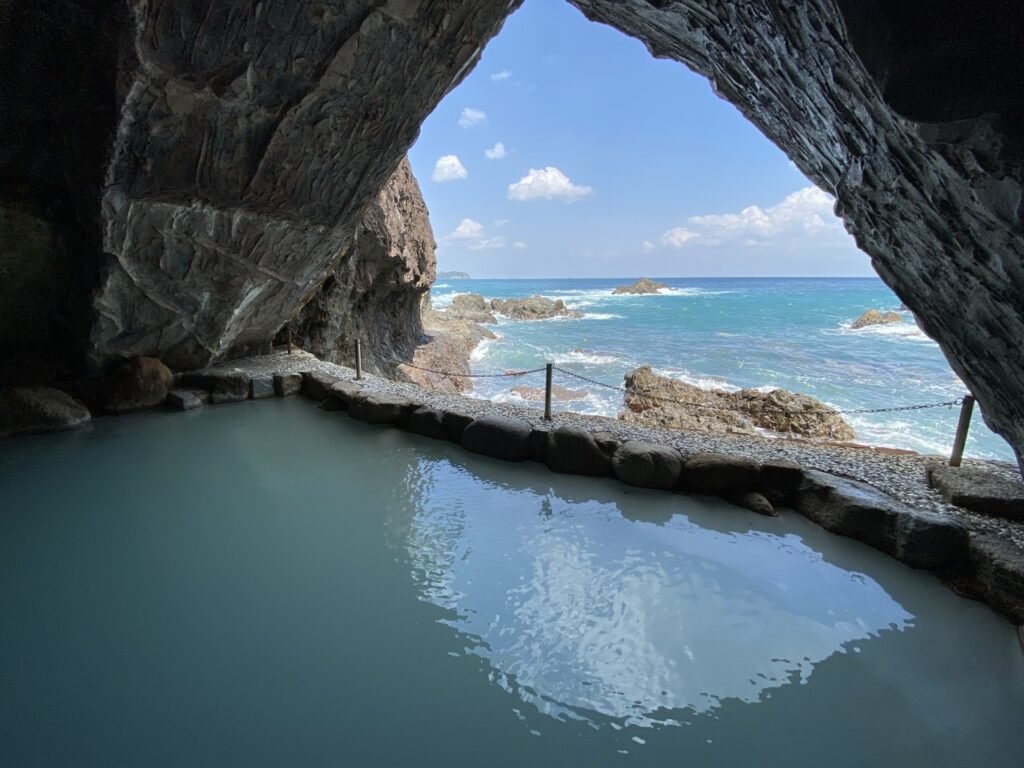
I had the chance to live my H2O fantasies during our time at Odaru Onsen. Yep, that unique waterfall onsen that also happens to have a secret cave!
Unfortunately, we were unable to take any photos in there for you BUT it did lead me down a rabbit hole of cave onsen around Japan that made it worthy of the list
The best cave onsens in Japan
- Horai Onsen (Yamanashi)
- Chitosekan – Cave Bath (Yunokawa Onsen, Hokkaido)
- Tensui Ryokan – Private Cave Onsen (Hita, Oita, Kyushu)
- Hyotan Onsen – Cave Steam Bath (Beppu, Oita)
- Okuhida Onsen Villages (Fukuji Onsen, Gifu)
Unique Hotels in Japan
Kawazu Falls, Japan
Tokyo, Japan

Tokyo, Japan

22. Godzilla Hotel in the heart of Shinjuku
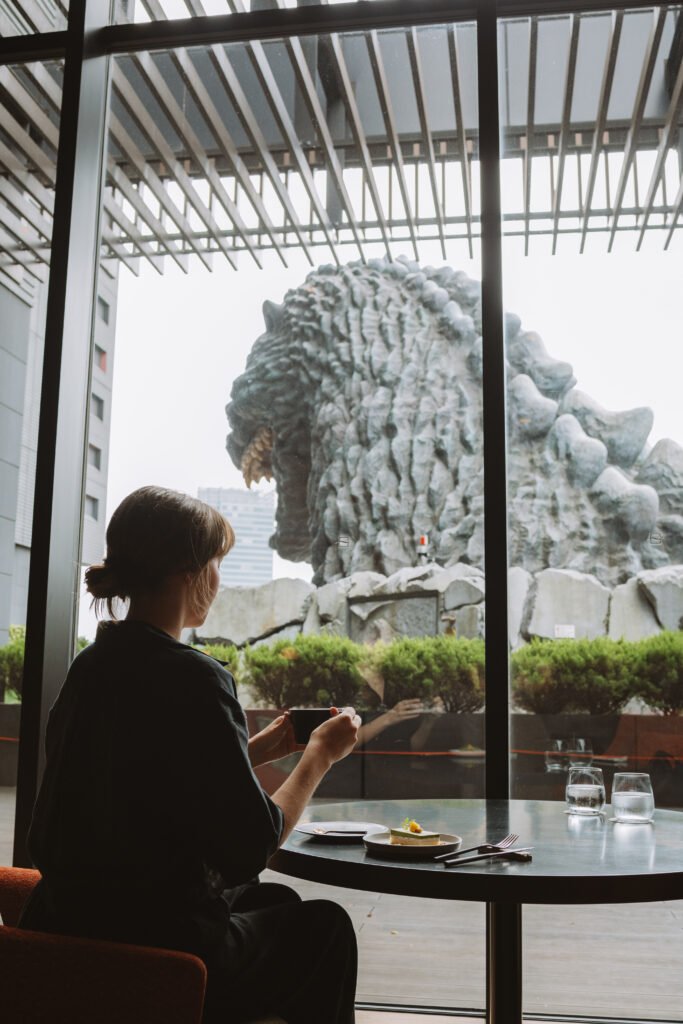
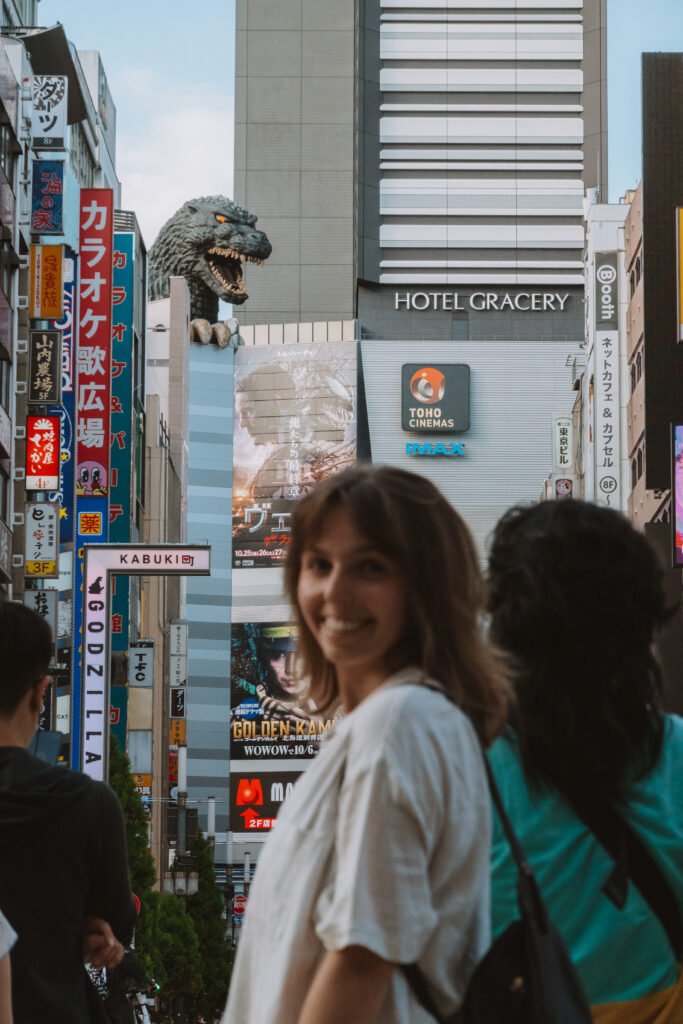
It’s actually called📍Hotel Gracery Shinjuku (doesn’t quite have the same ring does it?)
In the heart of Shinjuku you will see Godzilla has taken over this classic hotel, coming to live with a full light show you can view from Godzilla Road every hour.
Just don’t make the same mistake we did…
You need to book a specific ‘Godzilla Floor Room’ on Klook if you want the complete, unique Godzilla experience. Otherwise it feels like a regular hotel stay, just with a Godzilla head on the balcony outside of the lobby.
23. ToreTore Dome Village
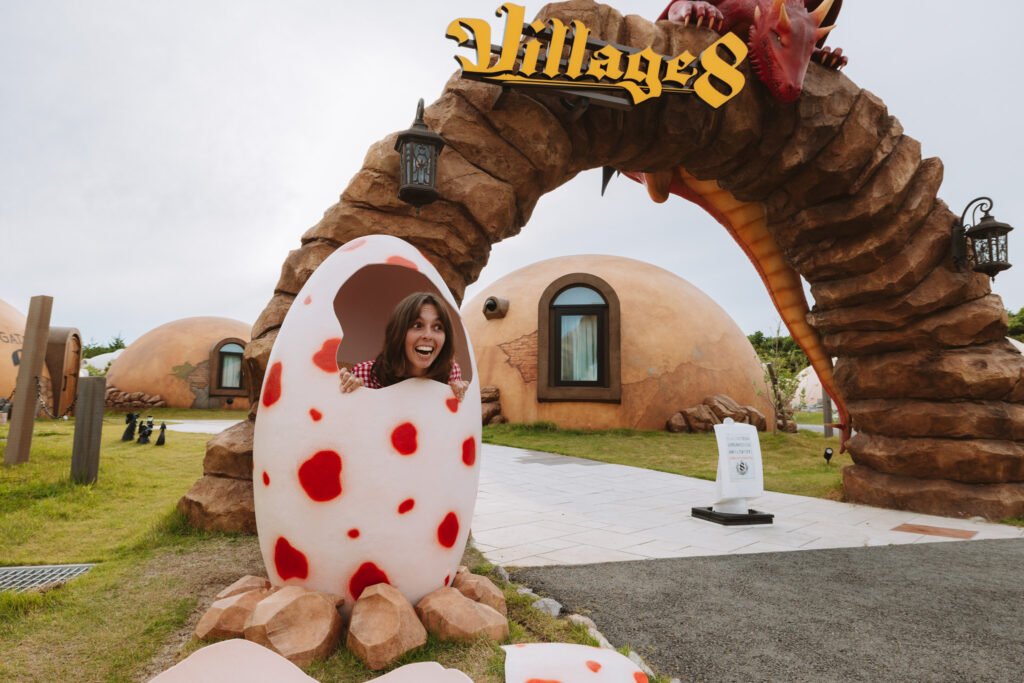
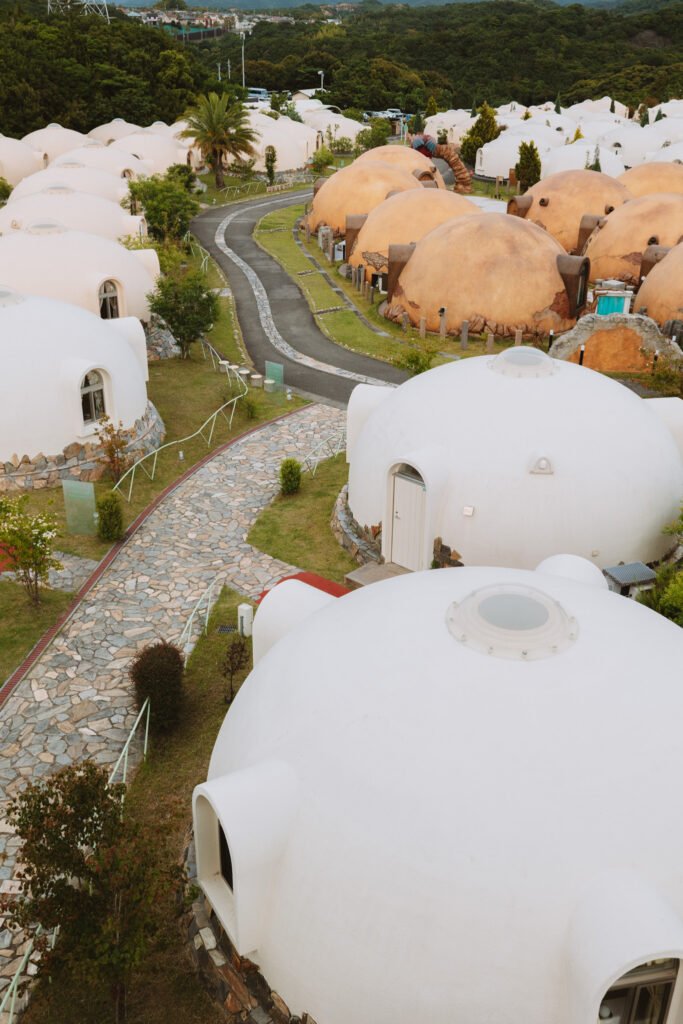
With 133 unique “igloo” cabins scattered among stone-paved paths, this feels like a storybook town. Especially in its dedicated Fantasy and Fairytale zones!
Beyond the obvious, it’s actually an onsen resort connected with the Tore Tore Park complex in Shirahama, Japan. Giving you the full package of seafood markets, spa facilities, buffet dining, and the dome.
24. Tattoo-friendly Onsen Hotel in Shinjuku
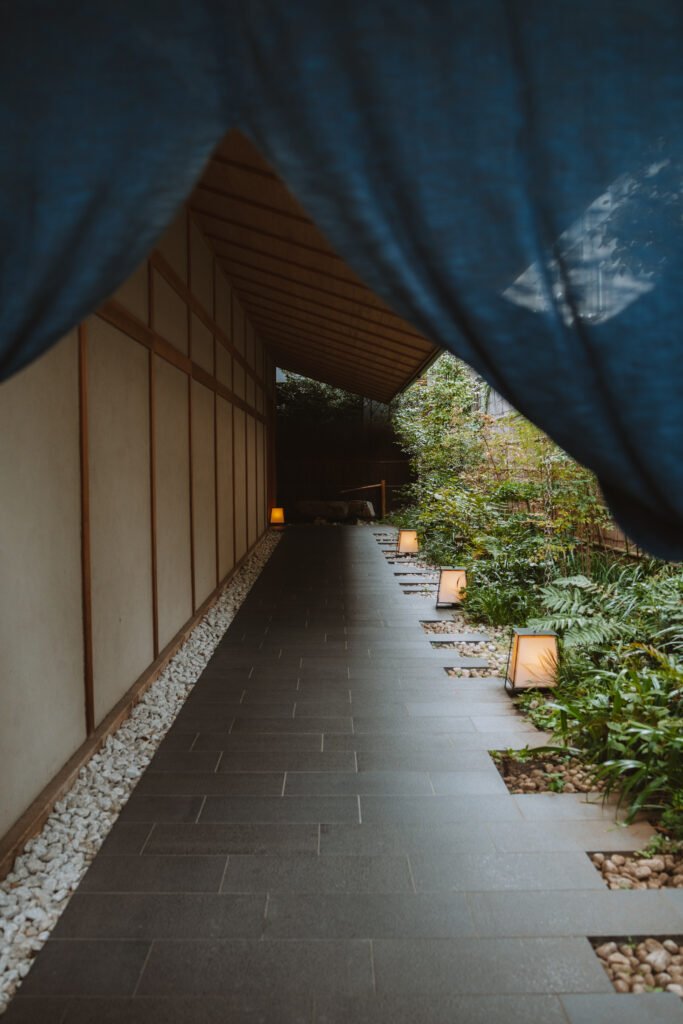

Have you ever dreamt of soaking in a rooftop onsen, watching the sun set over the biggest city in the world, followed by free ice cream and sake? WARNING: You are about to…
This is ONSEN RYOKAN YUEN SHINJUKU. A boutique Japanese-style hotel in Tokyo offering modern, minimalist rooms with traditional tatami elements, a relaxing onsen bath, and a tranquil retreat amongs the chaos of the city.
Read my complete YUEN SHINJUKU REVIEW HERE or watch the vlog recap HERE


25. FREE late-night ramen at Dormy Inn Chain hotels
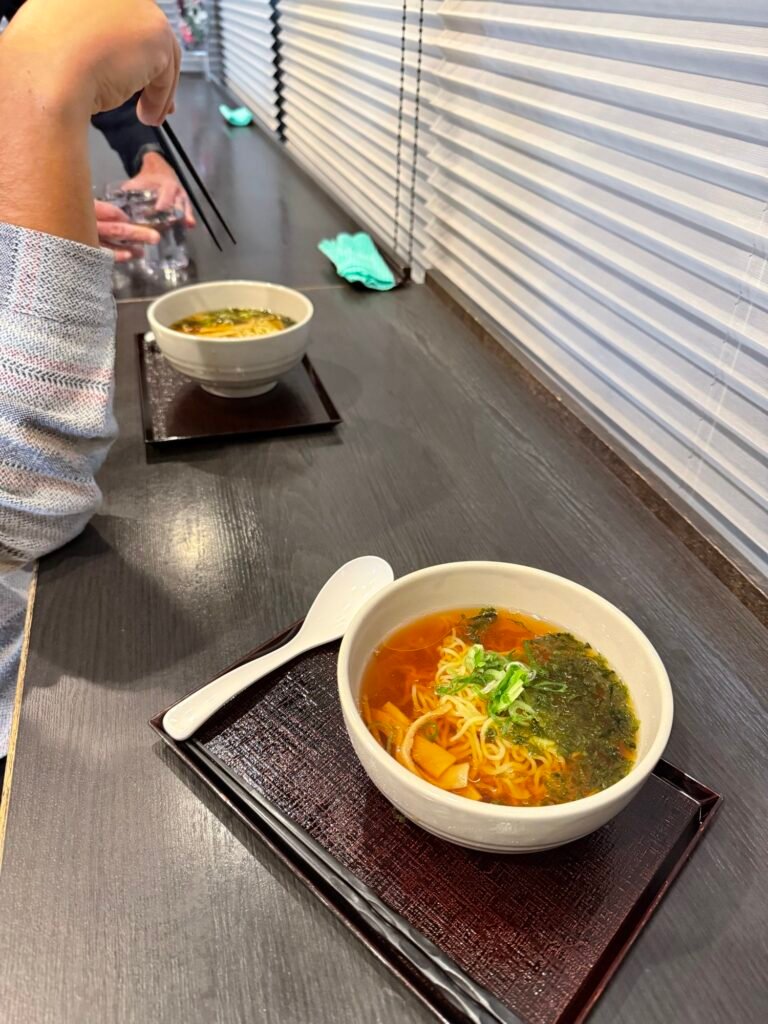
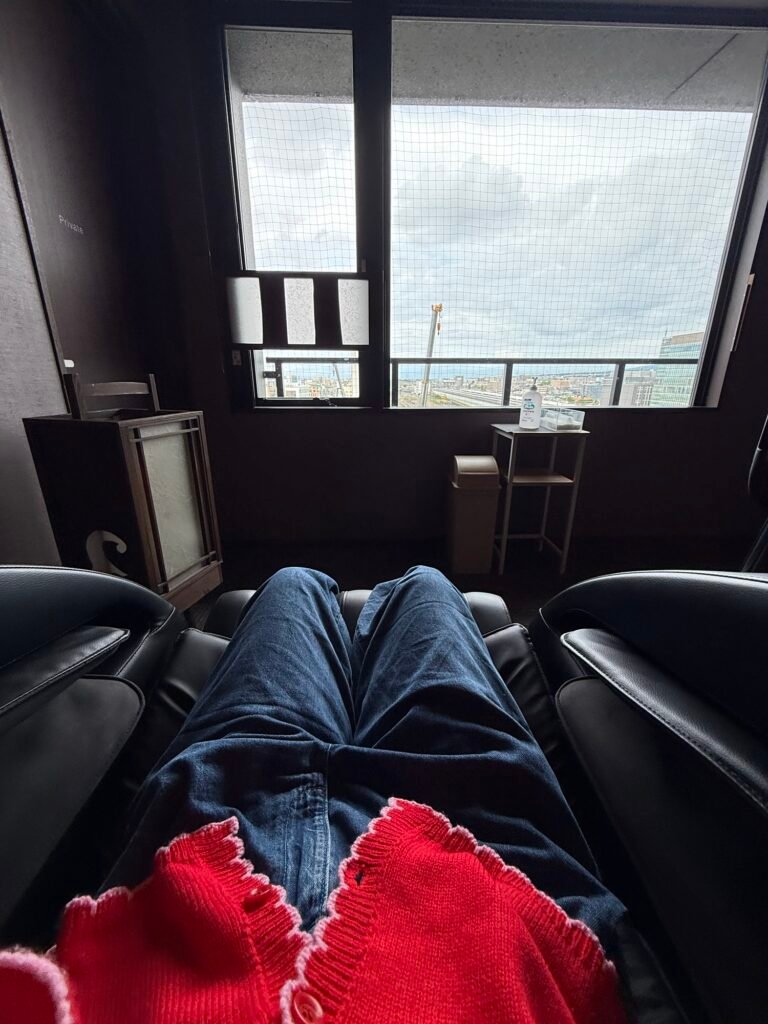
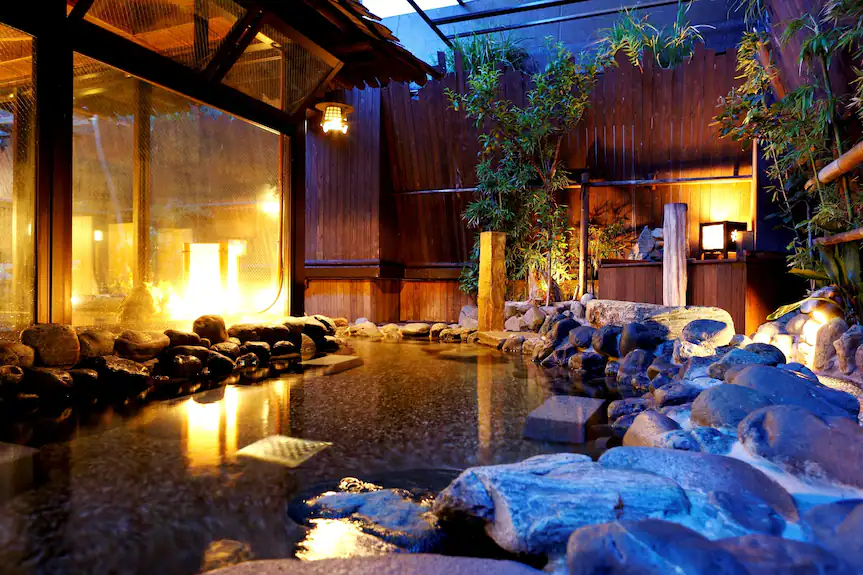
Dormy Inn is a popular mid-range hotel chain in Japan. They are often located in city centres, near train stations, or convenient tourist areas, making them ideal for your Japan trip.
BUT the reason it has become a favourite for me that I always return to everywhere we go is its FREE ice cream, FREE morning yakult, FREE onsen, FREE massage chairs and FREE late-night ramen.
I have stayed at Dormy Inns everywhere from Nagano to Osaka and even Mishima, and I am sure there will be more dormy stays to come.
26. Mt Fuji Glamping
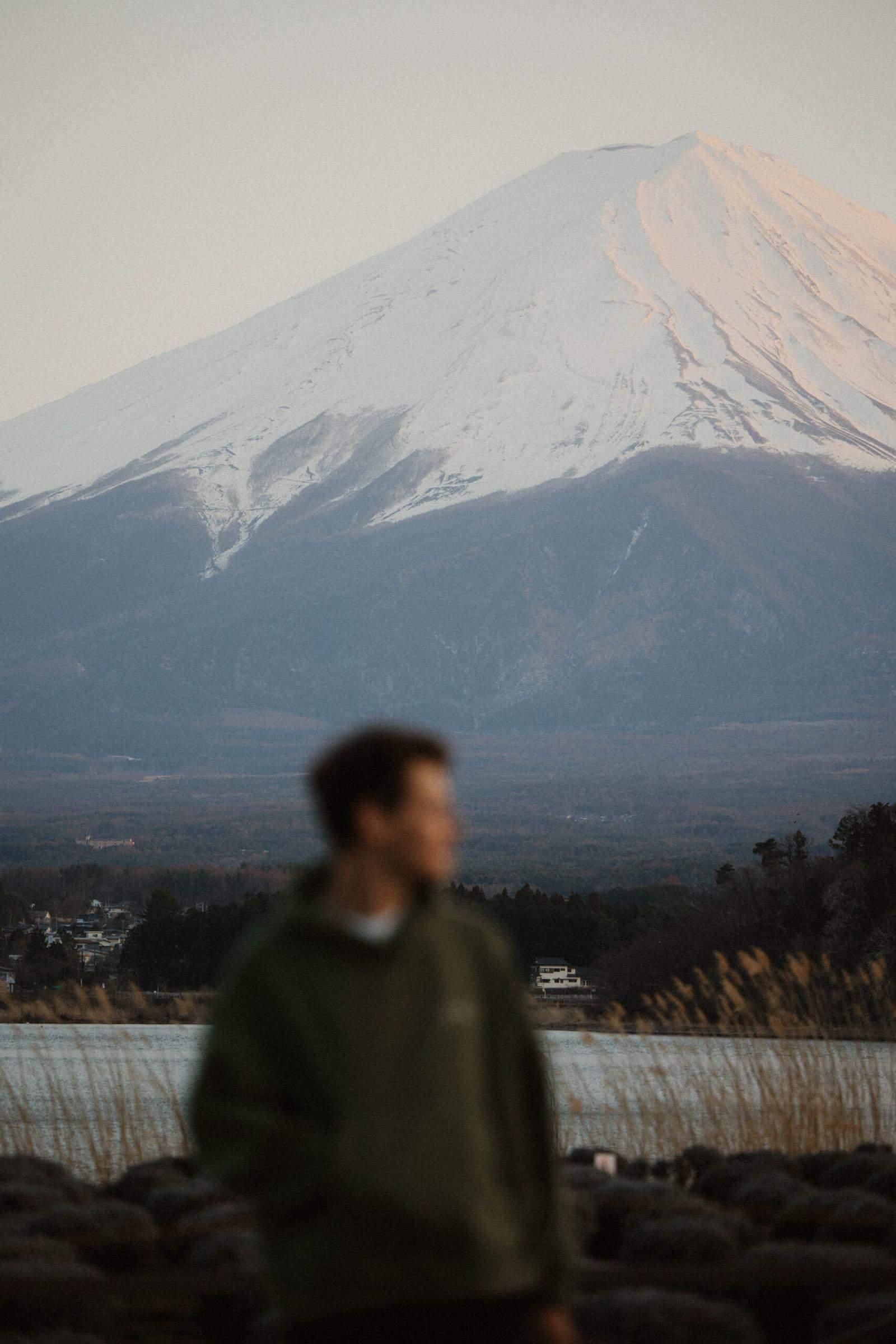
There is an increased number of luxury ‘camping’ experiences near Japan’s iconic mountain. Guests stay in spacious tents or cabins with everything from private decks, fire pits, and sometimes hot tubs, all while enjoying stunning views of Mount Fuji.
And lucky for you, they come in a range of budgets.
Booking.com has a great page of The best glamping sites in Fujikawaguchiko including Kawaguchiko Lake Glamping, PICA Fujiyama Glamping, and Fujiyama Onsen Glamping Resort.
That aside, the one at the top of my bucket list (and budget haha) is HOSHINOYA Fuji.
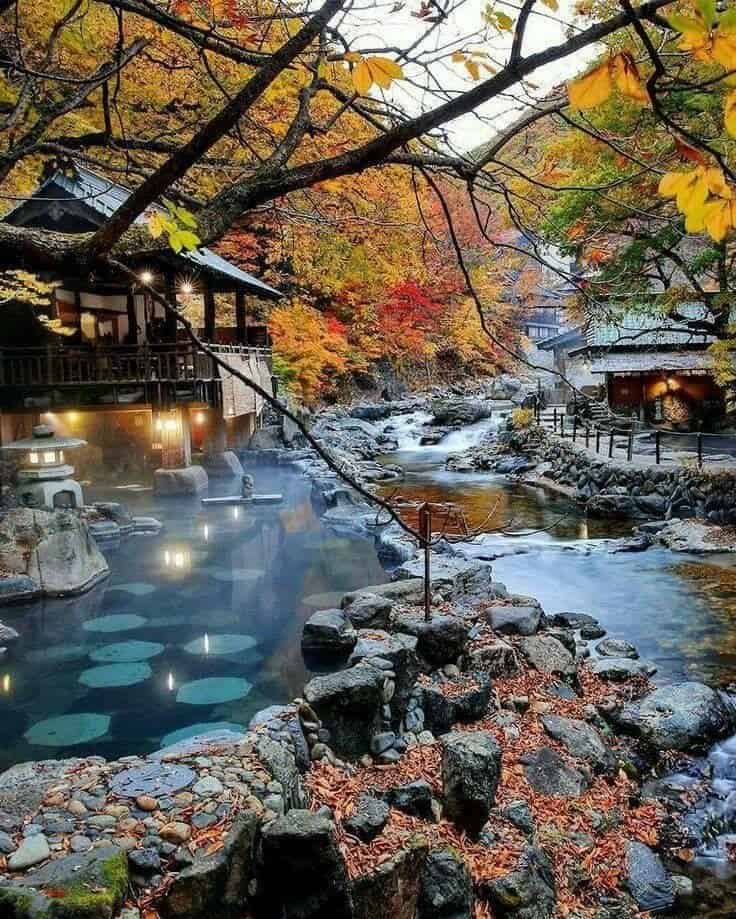
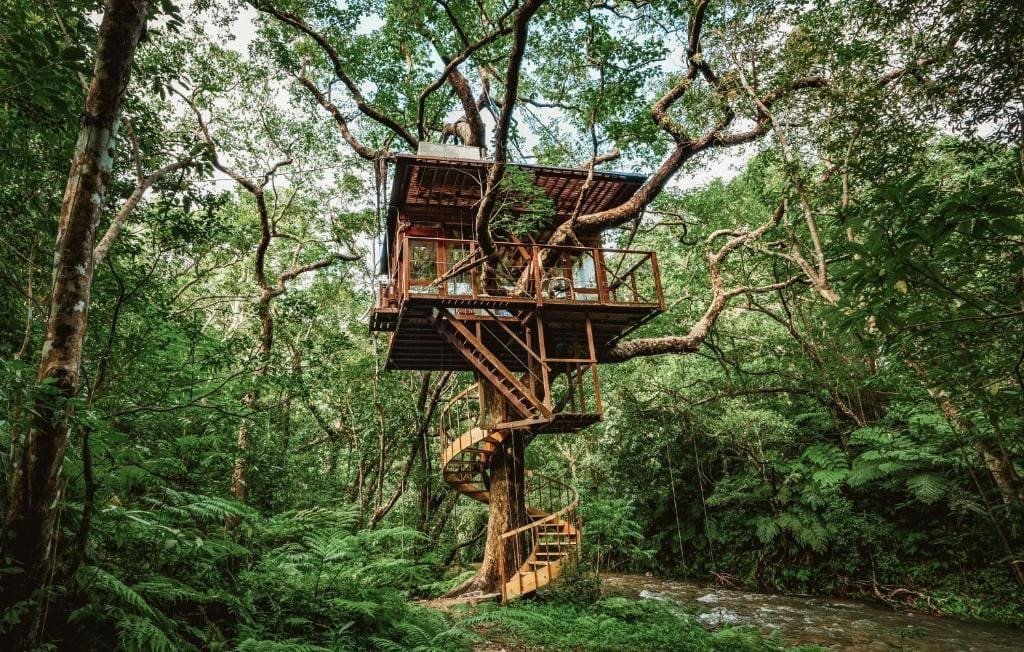
BONUS: MY UNIQUE JAPAN HOTEL BUCKETLIST/SPECIAL MENTIONS
Gunma
Tokyo, Japan
Tokyo, Japan
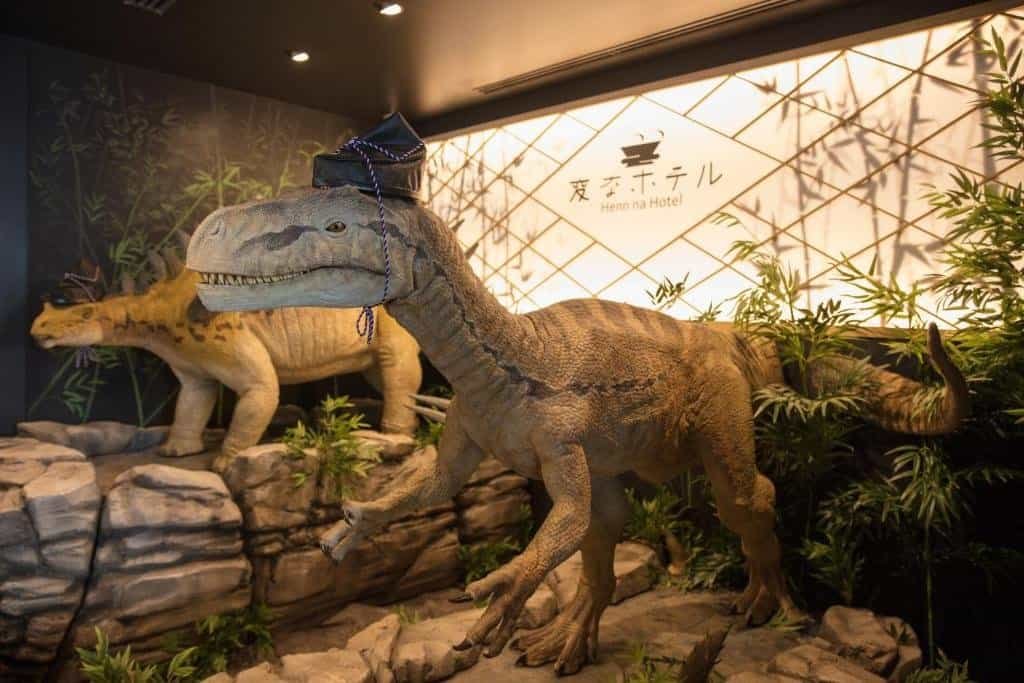
Unique food experiences in Japan
27. Have a Fuji Apple picnic in front of Mt Fuji

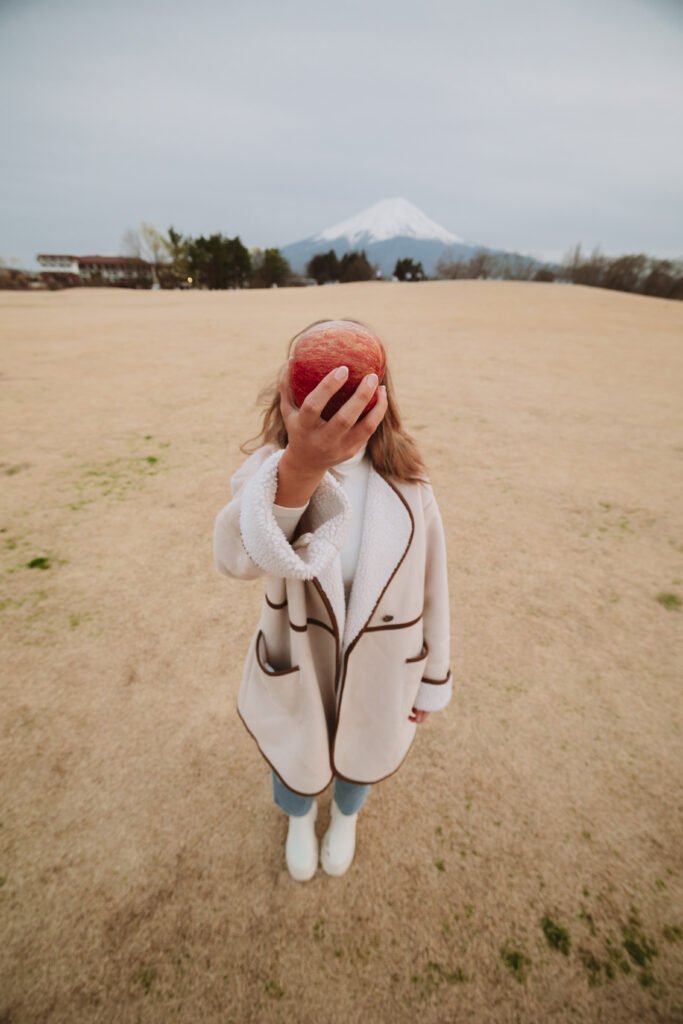
We spent a few days roadtripping around Mt Fuji on a mission for unique spots without the crowds and somehow the best of them all was the most spontaneous.
Surprised with the biggest and juiciest apples I have ever seen in my life, we wandered down to Yagizaki Park, Fujikawaguchiko to have our own Fuji Fuji picnic (if only we had our Fuji camera at this point haha). With Mt Fuji towering behind us and the lake in front, it truly couldn’t have been better.
Fuji apples are easy to buy from local fruit stands, Kawaguchiko Station, or convenience stores. Note that autumn is the peak apple season.
📍 Best Mt Fuji picnic spots
- Anywhere around Lake Kawaguchiko
- Yagizaki Park
- Oishi Park
- Chureito Pagoda Park area
- Arakurayama Sengen Park paths
28. Food crawl through the Takayama Morning Markets
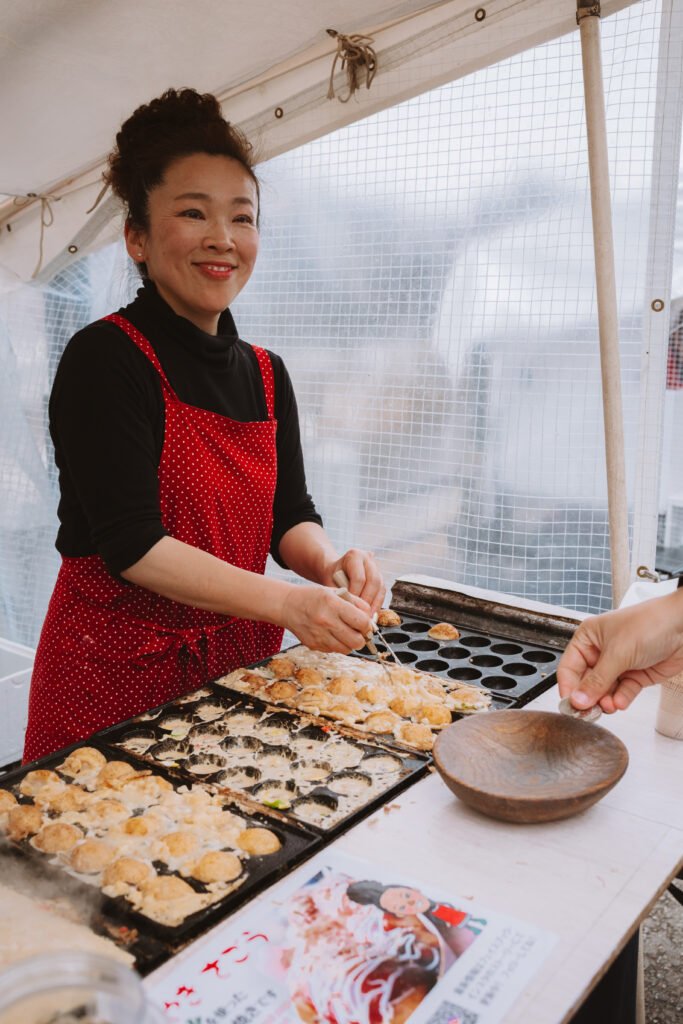
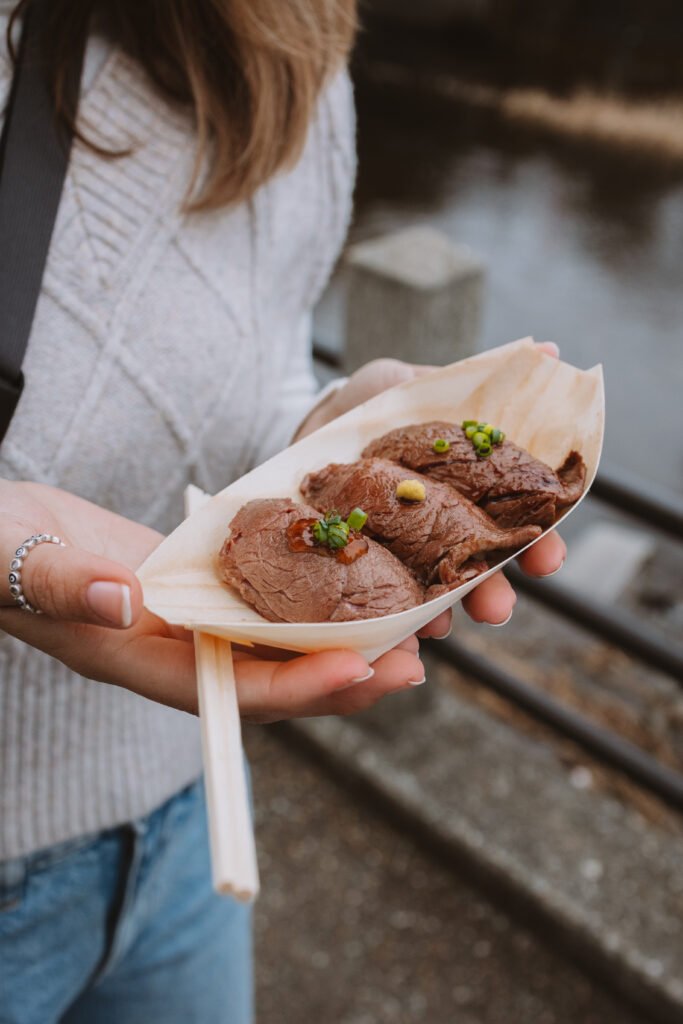
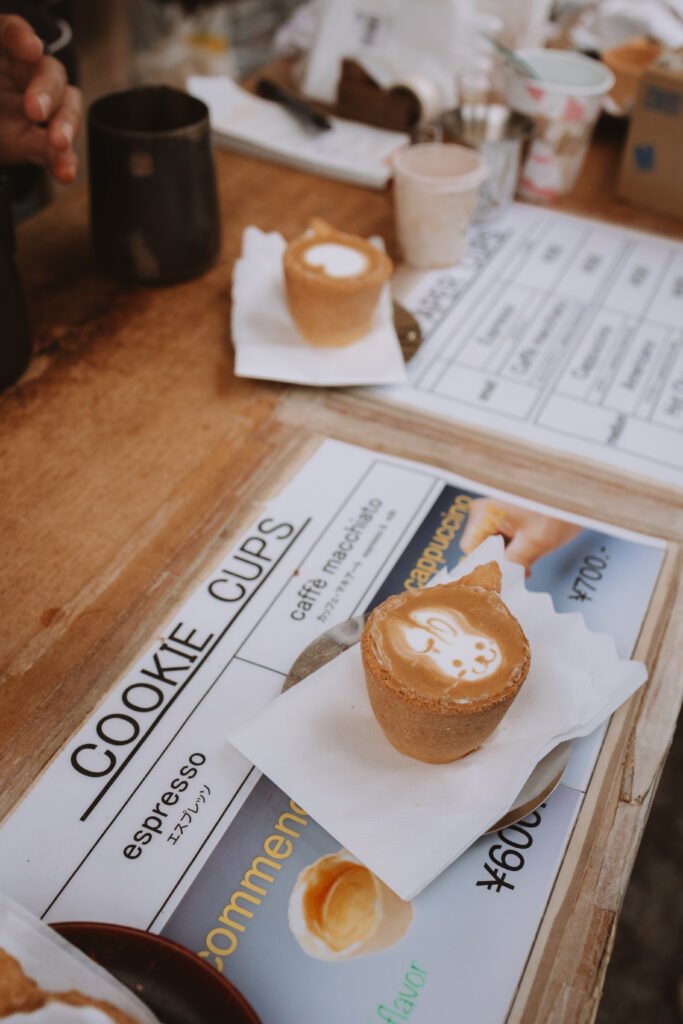
The Takayama Morning Markets are daily open-air markets where local farmers and artisans sell fresh produce, snacks, street food, and traditional crafts. It’s one of Japan’s oldest markets and the perfect place to sample regional specialties in a casual, walk-and-eat style.
Try everything from the world-famous Hida beef sushi, soy donuts, miso sticks, pickles, fruit, and cute art cookie coffee cup, making it one of the best food crawls in Japan.
📍Where are the Takayama Morning Markets
The Miyagawa Market is located in Takayama, Gifu Prefecture. With the main market running alongside the river of the old town it is easily accessible by public transport or, even more so simply walking if you are (and you should be) staying in the city
Things to know before you go
- Hours: 7am–12pm (slightly later in winter)
- Best time: Early morning for freshness and fewer crowds
- Payment: Many stalls accept cash only, come prepared.
- Must-try foods: Hida beef sushi, mitarashi dango, soy milk donuts, miso-topped rice crackers, and local fruit
29. 100yen Sushi Train
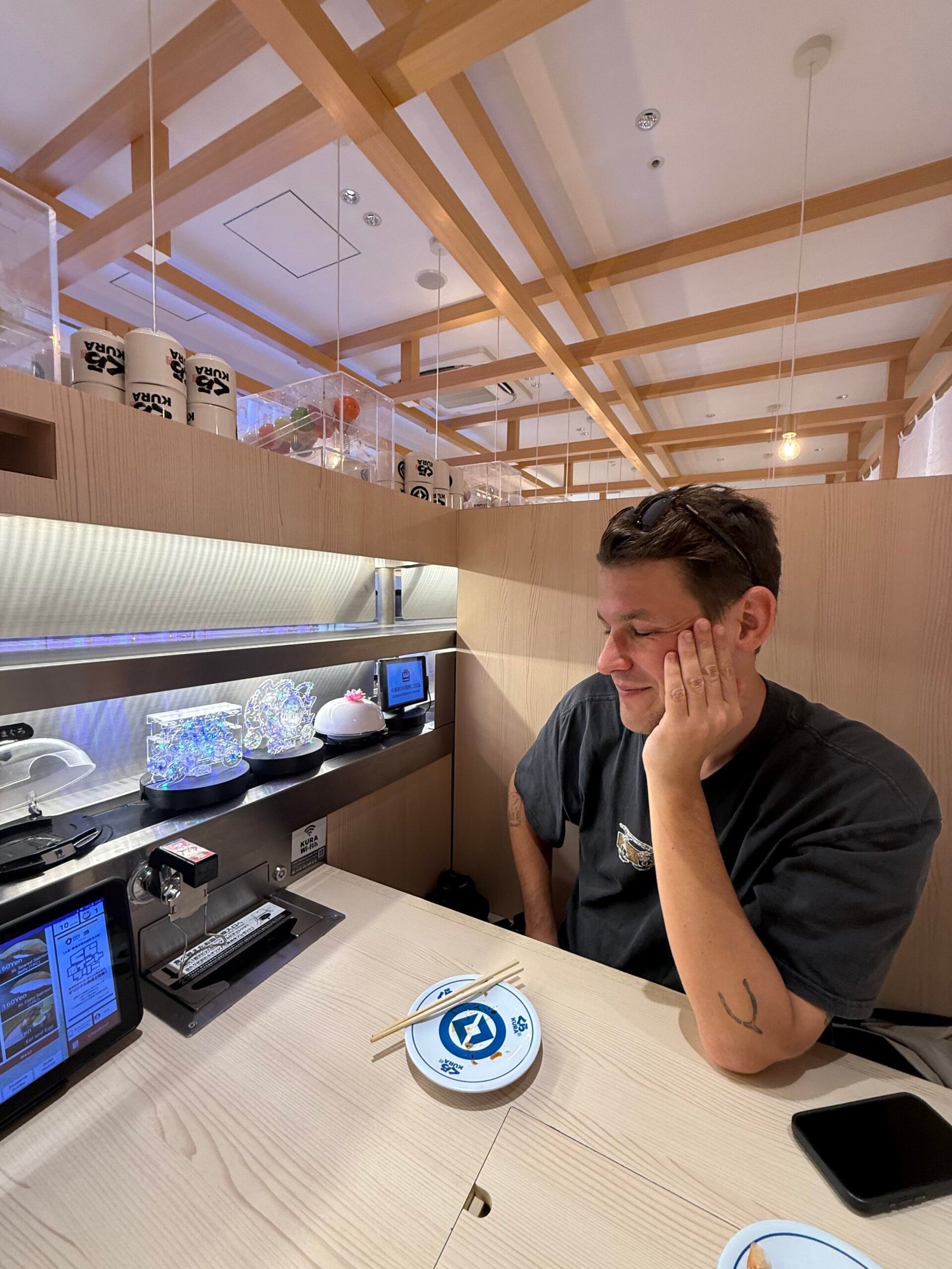
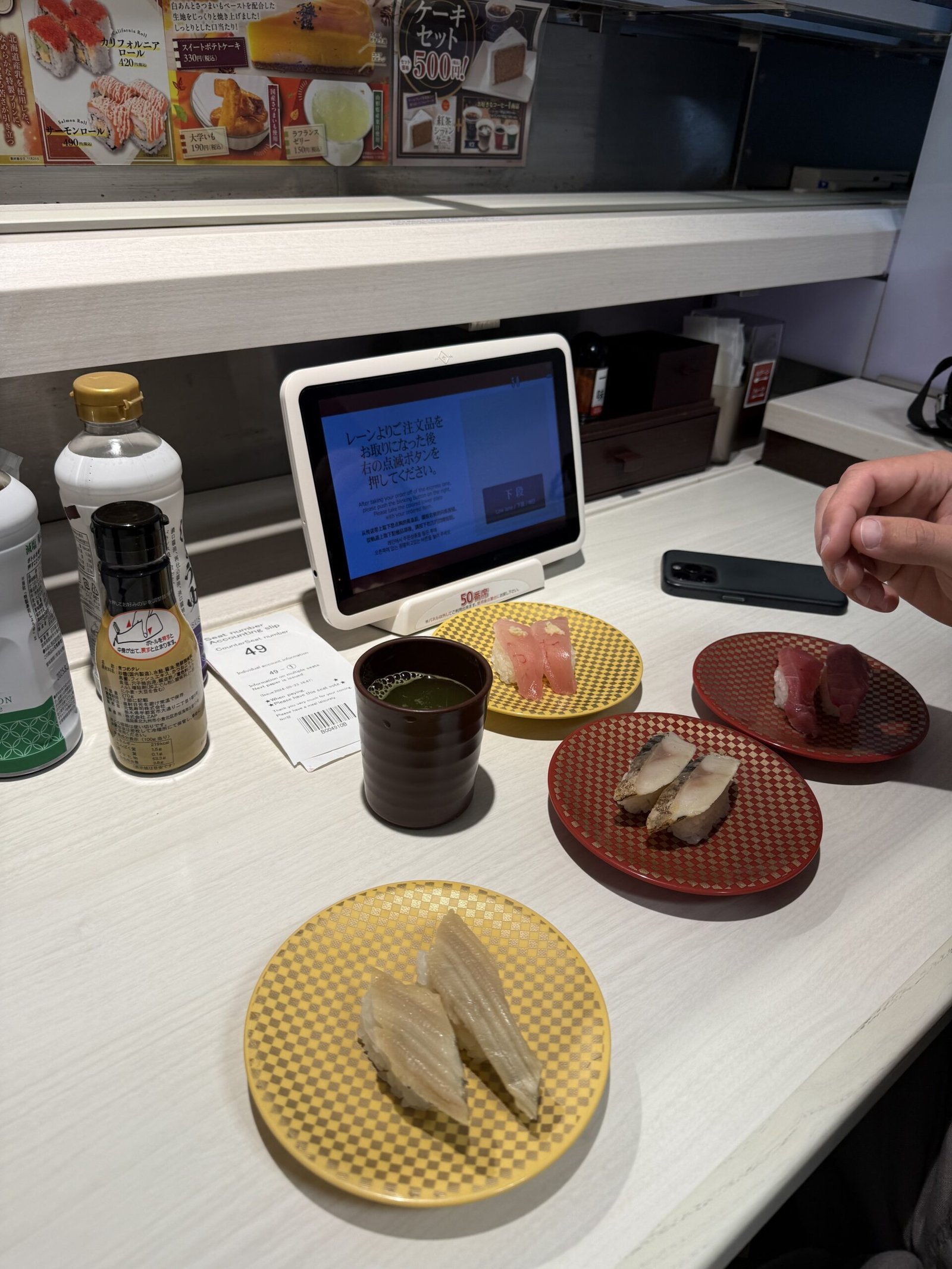
From the moment you start researching your Japan trip you will be bombarded with sushi train videos. From gamified ordering systems to sushi coming out on actual toy trains.
These 100 yen sushi trains (also known as kaitenzushi) are casual conveyor-belt sushi restaurants where plates typically start at you guessed it, ¥100.
You simply grab dishes as they pass by or order from a tablet, and your sushi arrives on a tiny Shinkansen-style express train at many locations. It’s fast, affordable, and perfect for trying a huge variety of sushi without breaking the budget.
Best Sushi Train Chains in Japan
- Sushiro – Japan’s largest chain; great quality, huge variety, easy to find everywhere.
- Kura Sushi – Famous for the Bikkura Pon prize game; fun and family-friendly.
- Hamazushi – Often the cheapest (¥90–¥100 plates); big menu with lots of cooked options.
- Uobei – orders zoom straight to your seat via express lane train. (my favourite)
- Genki Sushi – Tech-forward with touchscreen ordering and direct delivery rails; very foreigner-friendly.
30. Join a Japanese cooking class
Klook.comCooking classes are one of my all-time favourite travel experiences, no matter where I go and Japan has some of the most exciting offerings.
Giving you the chance to learn to make iconic dishes like sushi, ramen, tempura, gyoza, or bento with a local chef. It’s one of the best ways to immerse yourself in Japanese food culture from the inside out.
You’re not just eating Japanese food, you’re learning the craft behind it. With memories and recipes that you can take back home with you!
31. Shaved Ice like no other in Osaka
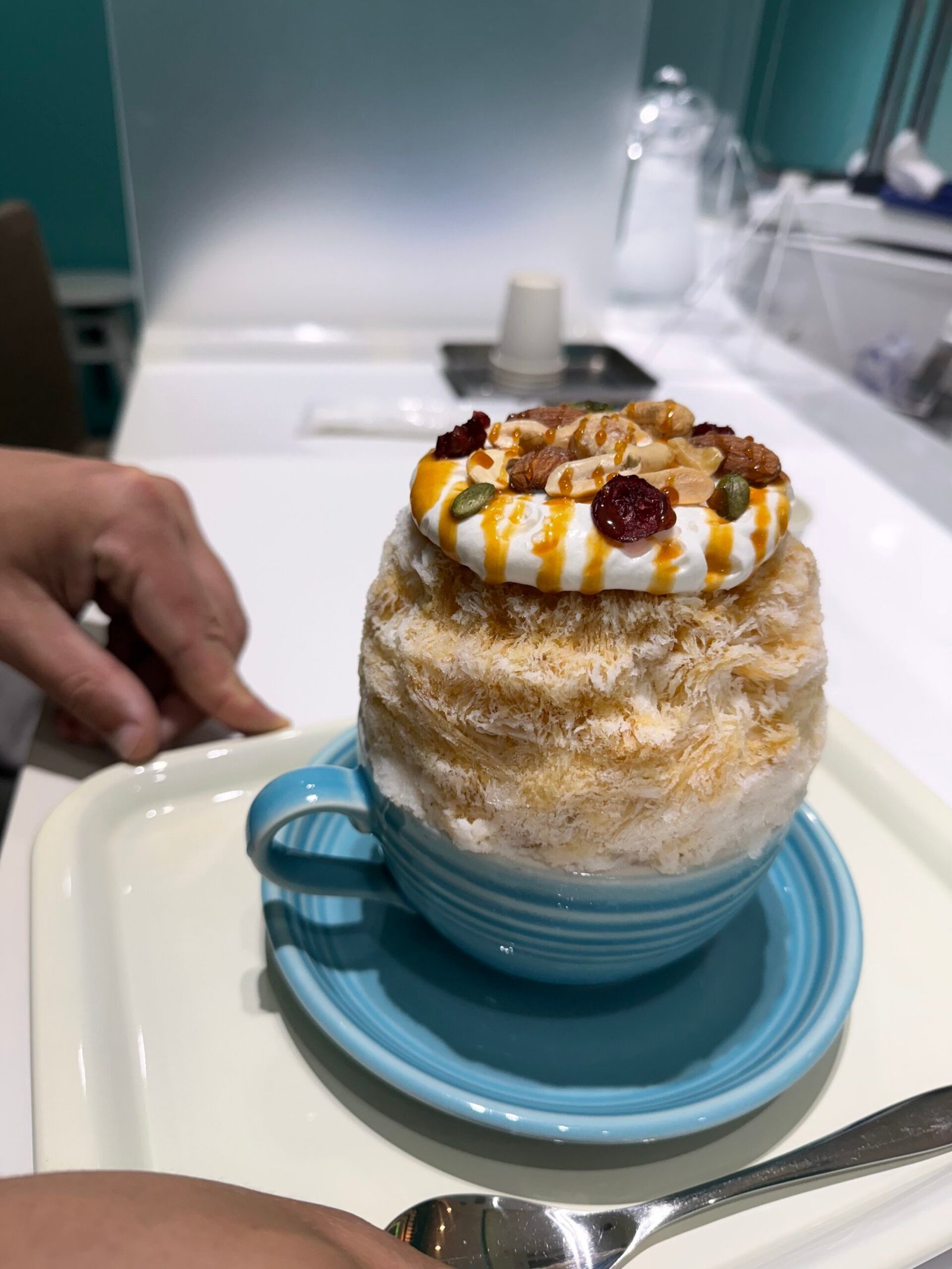
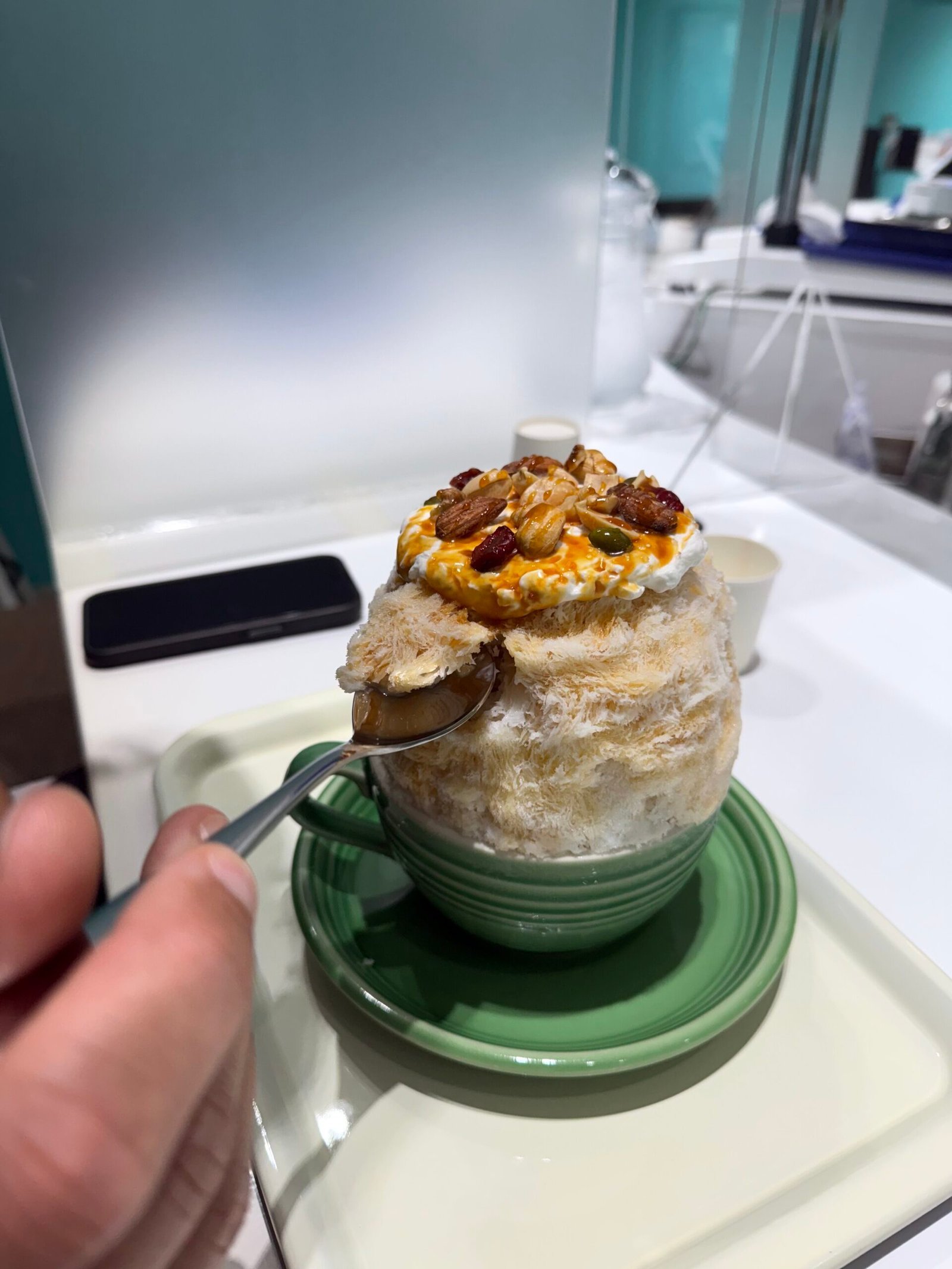
Kakigori is a Japanese shaved ice dessert made from finely shaved ice, topped with syrups, condensed milk, and seasonal fruits. And none will ever compare after going to Bonne Journee Osaka, thanks to its impressive size, premium ingredients, creative flavours, and the kindest lady, all tucked away in a hidden alley in the city.
The ice is ultra-fine and fluffy, almost like snow, which makes it melt in your mouth. Combined with seasonal or artisanal toppings, it’s a refreshing, visually stunning, and uniquely Japanese treat.
The location won’t show accurately on maps, so it is best to click through the business Instagram page: @bonnejournee_osaka
32. Pizza, beers and a footbath in Hakone
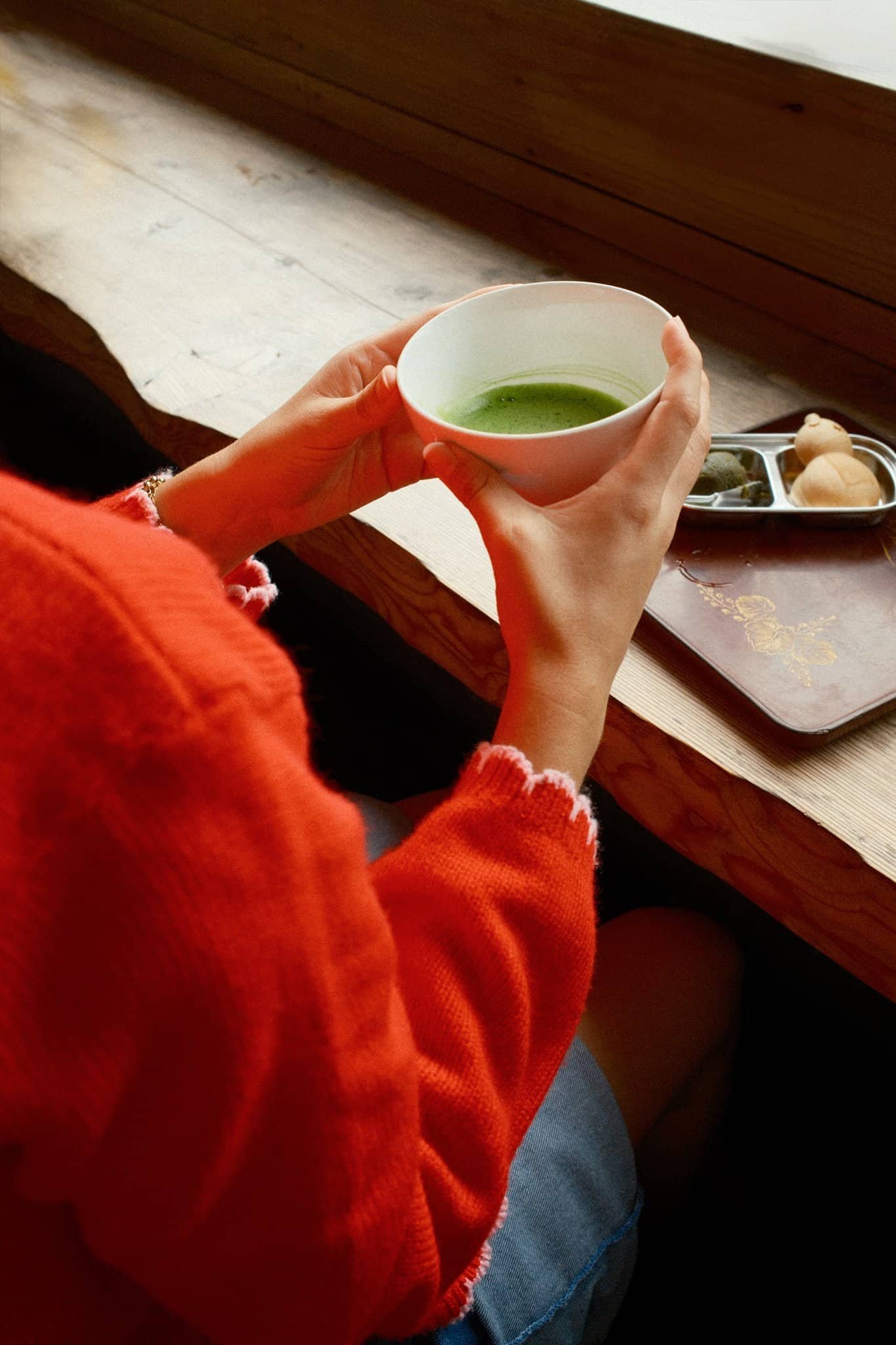
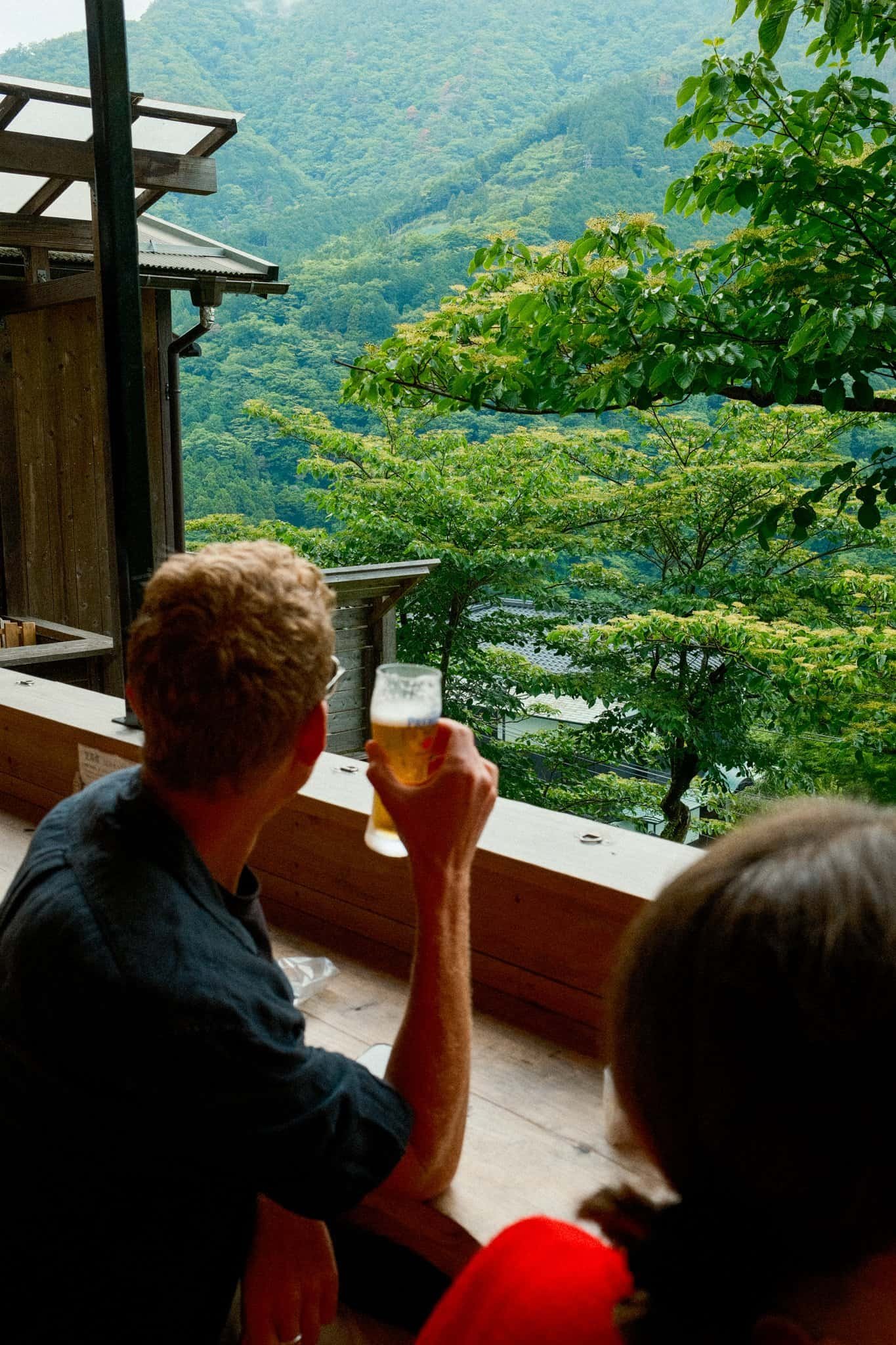
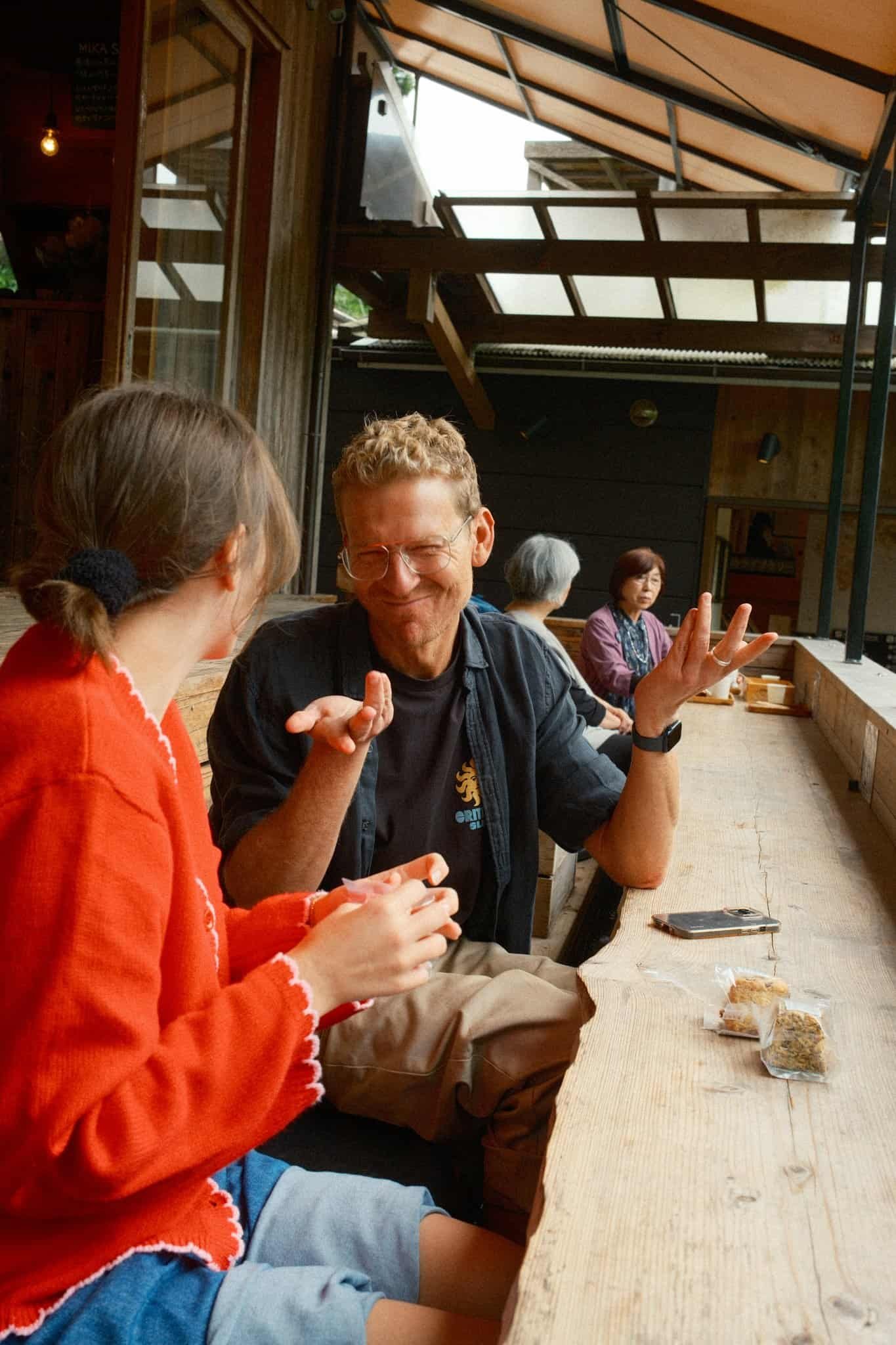
Naraya Café is a unique gallery/cafe in Hakone where you can enjoy wood-fired pizzas, local craft beers (or matcha if that’s more your style) , all while soaking your feet in a natural hot spring footbath. It’s a quirky, relaxing way to combine dining with a classic footspa experience.
Located in Hakone, Kanagawa Prefecture, near the Naraya ryokan.
33. Go strawberry picking

Strawberry picking (ichigo-gari) is a popular seasonal activity where you wander through warm greenhouses and pick fresh, unbelievably sweet Japanese strawberries straight from the vine.
Japan’s premium varieties (like Amaou, Akihime, and Tochiotome) are known for being incredibly sweet, juicy, and almost dessert-like, with some farms allowing you to eat unlimited berries right inside the greenhouse.
Random fact: I was allergic to strawberries for 18 years of my life, so you bet I made the most of that all you can pick/eat now that I am not. If you are lucky, some farms include condensed milk for dipping!
Where to go strawberry picking in Japan
Kashihara / Asuka area in December–May is one of the best for strawberries in Japan and often a common stop on day tours between Nara, Mt Yoshino, and Tsubosaka-dera. Like the cherry blossom day tour we did!
Japan Travel FAQs
Do I need cash in Japan?
While Japan is increasingly card-friendly, cash is still king. It’s wise to carry around ¥10,000–¥20,000 in cash. ATMs at 7-Eleven, Lawson, and post offices are the best for foreigners!
Best Japan eSIM
I’ve trialled a wide range of eSIMs in Japan, and these are my top picks:
Klook eSIMs (my go-to) – Klook have a range of eSIMs, even connected to some of the big guns like Airalo directly through the platform. The best value one we have found is Japan Data eSIM from NTT docomo / Sakura Mobile
Pangia Pass (the long trip dream set up) –
Unlimited Data in 105 Countries for a set month price without the need to constantly set up via QR codes and change countries.
Use code DONUT to save 10% off.
These are just my preferences. My friend FindingAlexx has a comprehensive Japan eSIM guide if you want to dive deeper.
Best time of year to visit Japan
Having been to Japan in all four seasons now, you would think I’d have a clear answer for you but it truly comes down to your own personal preferences, budget and what you really wnat to get out of your trip.
In saying that, with confidence, I can say the WORST time of year to go is July/August when it is simply too hot to function.
- Spring (March–May): Cherry blossoms in bloom, mild weather, pirces spike.
- Autumn (September–November): Vibrant fall foliage, fewer tourists than in spring but brighter colours.
- Winter (December–February): Snow sports, winter illuminations and unique festivals. Most important, snow monkeys!
- Summer (June–August): Hot and humid; ideal for mountain hiking and beach trips, plus summer festivals
Is Japan Safe?
Japan is one of the safest countries in the world for travellers but like anywhere you travel, it ultimately comes down to common sense and research.
Regardless, travel remains unpredictable from getting sick to natural disasters, so I ALWAYS recommend getting travel insurance.
Keep Planning Your JapAdventures:
Unique 2 Weeks in Japan Itinerary: My 14 Day Beyond the Golden Route Itinerary
My Ultimate Japan Guide: 33 Unique Things To Do in Japan
Discover Japan’s Best Onsens: 18 Unique Onsen Hotels in Japan
Looking for tattoo-friendly onsen: Tattoo-friendly Onsen Hotels in Japan I would stay again + 3 I wouldn’t
Where to find the unique waterfall onsen: The Complete Guide to Amagiso Odaru Onsen
Avoid the crowds at Mt Fuji: 5 Unique Mt Fuji Photo Spots
Japan’s most underrated region: The Complete Guide to Aizu, Fukushima
Is Tokyo Disneyland Worth Visiting: Your Tokyo Disney Survival Guide
What about Universal Studios Japan: My Brutally Honest Guide to USJ
My Mini Japan Survival Guide: where to book, what NOT to do and bonus discounts
Osaka, Japan

Japan

Tokyo, Japan

Nagano, Japan
Mt Fuji Japan
Osaka, Japan

Accommodation: Japan hotel prices and availability greatly vary across booking platforms. I will always bounce between these few. Predominantly Booking.com as I am a top-level genius (sorry to flex on you like that)
Booking.com
Agoda
Trip.com
Klook
Language: I will always encourage everyone to learn the basics of the language of any country they visit. You don;t need to dive into an intensive language course but the basics like Hello, Yes and Thank you will take you a long way. Matched with Google Translate, you will have no problem getting around
Trains: Ever since the JR Rail Pass prices spiked, I exclusively book individual tickets via Klook
The system is a simple QR code with flexibility to book free add-ons like seat select, excess luggage and even Mt Fuji views.
Rental Cars: Roadtripping is one of the most underrated ways to travel Japan, and it’ll come as no surprise that we have always booked our car rentals via Klook .
I’ve heard good things about the new Booking.com car rental platform too and would definitely compare in future.
Activities, Tours, Theme Parks…: Again, Klook is truly your bestie in Japan. In fact, I wrote a whole darn ‘Is Klook legit?’ guide about it
Klook.comOf course, if you ever have any questions or are feeling extra nosy and want more in-depth insight, do not hesitate to comment below, email me or DM @wanderingdonut ♡



BONUS Discounts


My Go-To Travel Resources