19 Unique Things to Do in Aizu, Japan (Travel Guide + Winter Tips)
If you are looking for Japan snow, without the crowd, you will not be disappointed with the endless unique things to do in Aizu, Fukushima.
After years of hunting down the most unique things to do in Japan, I finally spent a week exploring the best stays, eats and experiences in this underrated winter paradise and I am already itching to return for more all year round because there is simply so much on offer.
From rich samurai history and Pokémon playgrounds to otherworldly onsen hotels and even onsen ramen!? (yes, really!). And I am about to take you on a wild ride through it all and more with this ultimate guide to Aizu, Japan, in winter and beyond.

DOUBLE DISCLAIMER: We were hosted on a press trip by Discover Aizu with a goal to promote tourism to the region, particularly for the underrated snow/ski season. You can find the nitty-gritty details on my @wanderingdonut IG highlights.
Where is Aizu, Japan?
Aizu is a historic region in western Fukushima Prefecture, about 3hrs north of Tokyo.
Is Aizu the same as Aizu-Wakamatsu?
Please note that when I mention things to do in Aizu, I am mostly referring to the region as a whole, whereas Aizu-Wakamatsu is the main city of the region.
How to get to Aizu?
Aizu may be out of the main ‘golden route’ of Japan, but that doesn’t make it difficult to get to. In fact, I would say it will make your travels in Aizu much easier and more enjoyable.
✈️ Best Airport for Aizu
Fukushima Airport is the closest airport to travel Aizu, only about 1.5–2 hours away by car or bus.
Although if you are coming internationally, Tokyo will have way more options and is likely cheaper for you. Given the ease of the Shinkansen around the country, it is still extremely accessible from Tokyo to Aizu.
✈️ How do you get to Aizu from Tokyo?
Shinkansen to Koriyama – Take the Tohoku Shinkansen from Tokyo Station to Koriyama Station (about 1.5 hours).
Local train to Aizu-Wakamatsu – Transfer to the JR Ban’etsu West Line to reach Aizu-Wakamatsu (about 1.5–2 hours).
Alternative bus option – Direct highway buses from Tokyo Station or Shinjuku Station to Aizu-Wakamatsu take around 5 hours.
✈️ Aizu Trains – Is Aizu covered by the JR Pass?
Yes, These routes are covered under the JAPAN RAIL PASS (JR PASS) . However, with the rise of the JR Pass prices, you are likely best to buy individual tickets.
Klook.com✈️ Do you need a car in Aizu?
A car is not essential as trains and buses cover major attractions in Aizu and the winter driving here can be pretty intense for those without experience.
As a major road trip in Japan advocate, though, I must say a car is convenient for exploring rural areas and hidden spots. Whether you rent a car yourself or hire a private driver.
Klook is my Japan booking platform go-to for car rentals that also happens to have the best range of activities, great cancellation policies and some sweet discounts.
Yes I am an affiliate now, but that has not stopped me from giving my brutally honest opinion and going behind the scenes to find out all the inside goss (and even more discounts) for you.
IS KLOOK LEGIT? Read the guide here
Aizu weather – seasons and what to expect
❄️ WINTER – December to February
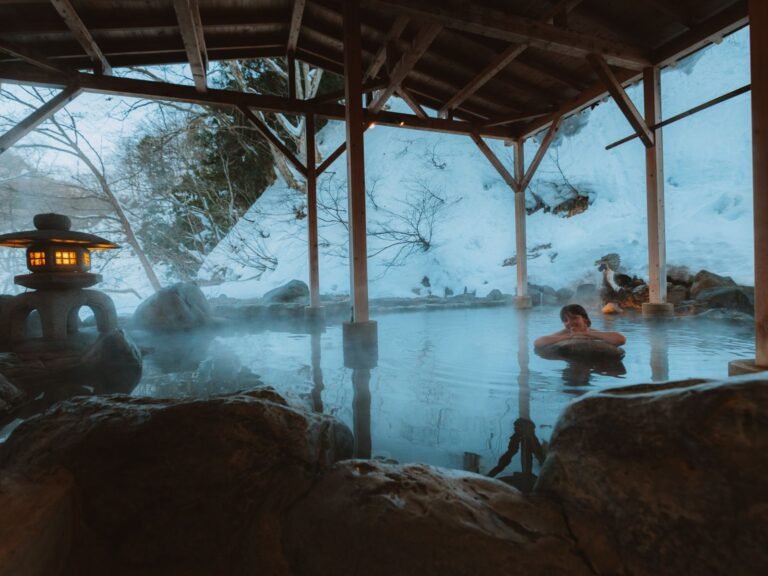
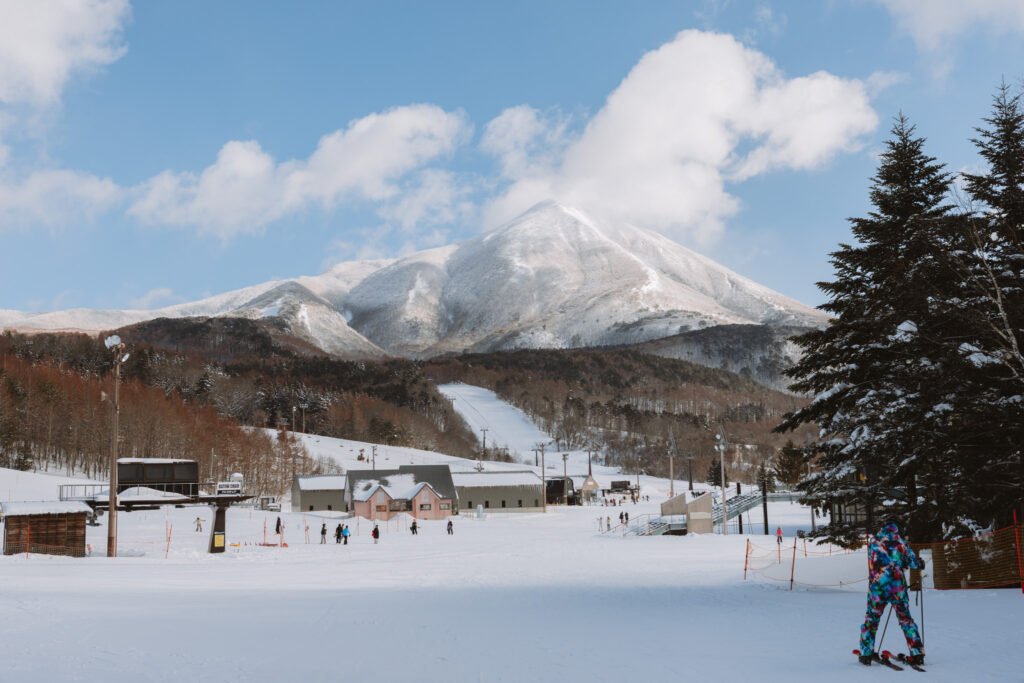
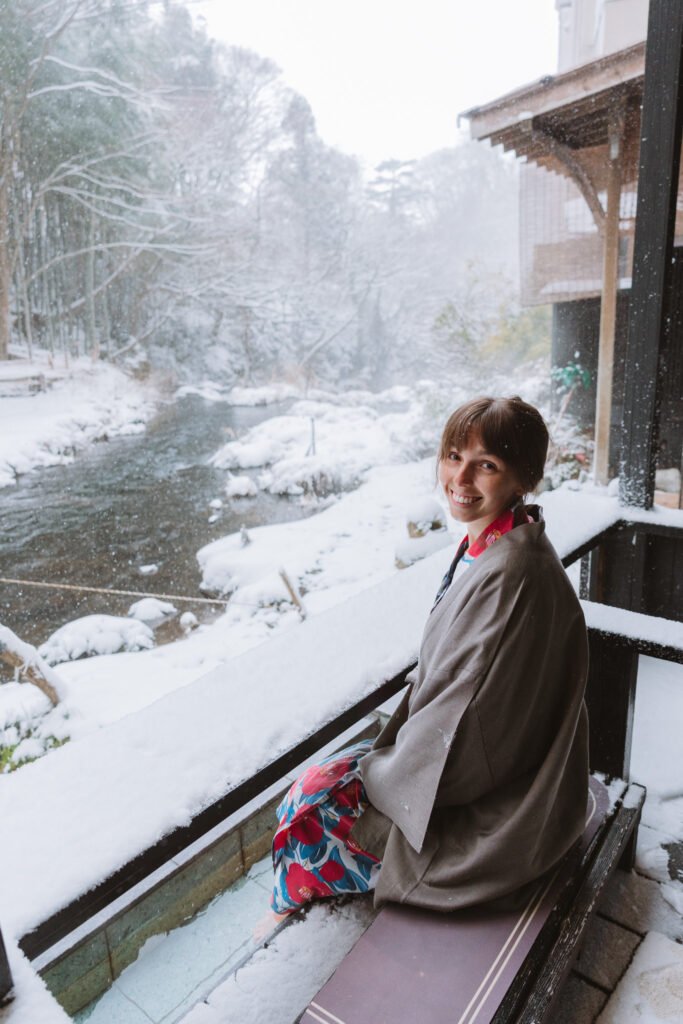
I finally learnt the true meaning of JaPOW here in winter. With heavy snow blankets and underrated ski resorts that haven’t been overrun by bogan Australians (coming from an Aussie), PLUS unique snow festivals, and enjoying magical outdoor onsen.
🌸 SPRING – March to May
Cherry blossoms bloom across the region, and temperatures start to warm. You may want to check out my brutally honest cherry blossom guide before booking your Japan sakura trip…
☀️ SUMMER – June to August
Like most of Japan, it will be warm and humid. Great for hiking, river activities, and exploring mountain villages, just watch for occasional rain.
🍁 AUTUMN – September to November
The region comes alive with autumn foliage. A dream of mine to see one day.
⭐ PEAK SEASON – April–May and October
Cherry blossom season or those vibrant autumn leaves call most people to Aizu yet do not overlook the magic of its winter. Dare I say it is Japan’s most underrated snow destination…
Why is Aizu not a Japan tourist hotspot? yet…
To put it frankly, the main reason is the overtourism problem along the ‘golden route’ which most people tend not to stray from, especially for their first trip to Japan.
So yes, despite its rich samurai history, stunning castles, colourful festivals, and scenic mountains, Aizu remains relatively under the radar for international travellers.
I guess with it being somewhat off the main Shinkansen routes and limited global promotion (until now hehe) it makes sense that people haven’t been considering they really haven’t heard of it.
BUT if you are looking for a rare authentic, uncrowded and untouched Japan gem, Aizu is worth the visit.
What You Need to Know Before You Go to Aizu
What is Aizu famous for?
Aizu invites you in to ‘explore the Samurai Spirit’ with its deep samurai heritage, historic castles, unique temples and strong traditions that date back to the Edo period.
Although do not underestimate the beautiful seasonal landscapes, traditional crafts like Aizu lacquerware, scenic onsen towns, interesting food scene and festivals that make Aizu extra special.
Best time of year to visit Aizu?
Having been to Japan in all four seasons now, you would think I’d have a clear answer for you but it truly comes down to your own personal preferences, budget and what you really want to get out of your trip.
And now that you have the basic season breakdown of Aizu, it can help you narrow that down.
The best part about Aizu is that their ‘peak season’ is not necessarily busy in comparison to somewhere like Kyoto, so you have more flexibility and availability all year round.
How many days do you need in Aizu?
Plan for 2–4 days to explore the Aizu region, plus a little longer if you want to chase mountain activities or seasonal festivals.
We spent 5 nights in the region from the city to the ski slopes of Nekoma Mountain, and it was the perfect, albeit full-on, amount of time to get a good taste for Aizu.
Unique Things to Do in Aizu, Fukushima
Again, it is worth noting that this list is tailored based on our own recent 5-day Aizu itinerary.
With that in mind, there are endless unique things to do in Aizu that may not be included, as I want to be able to share these personal experiences and give you accurate information for each.
I hope we all get the chance to visit to expand on this one day too!
1. Walk the Double-Helix Sazaedo Temple
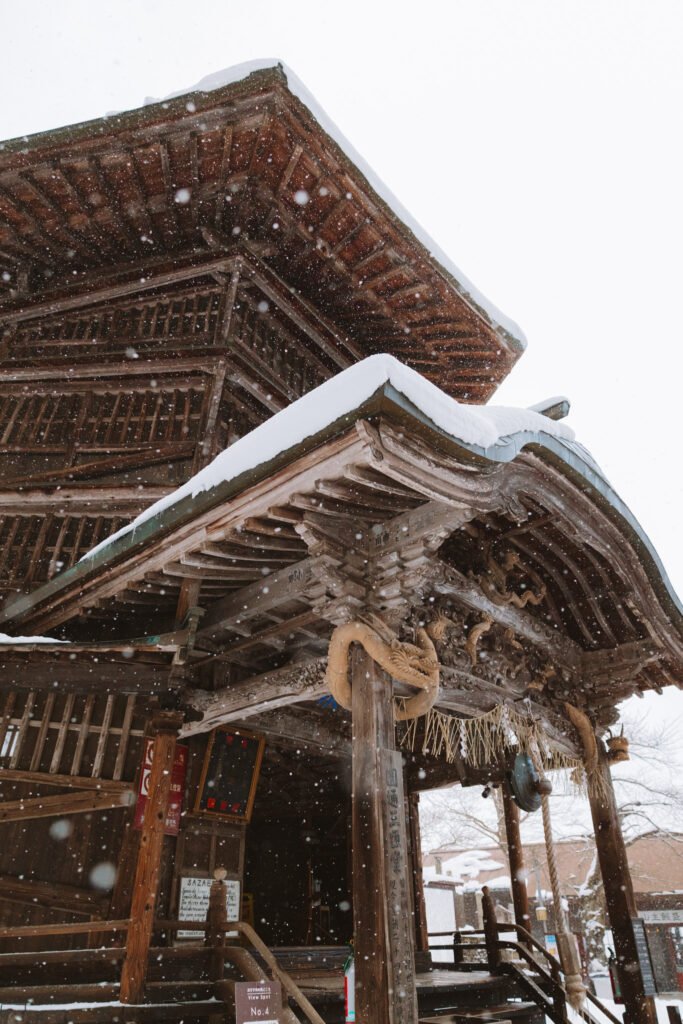
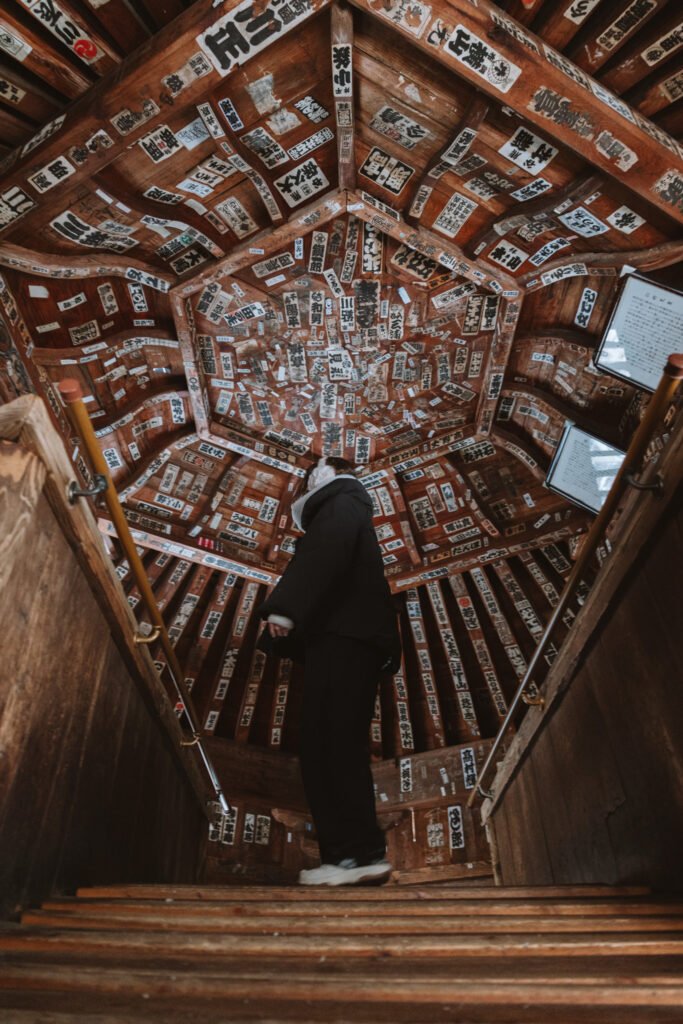
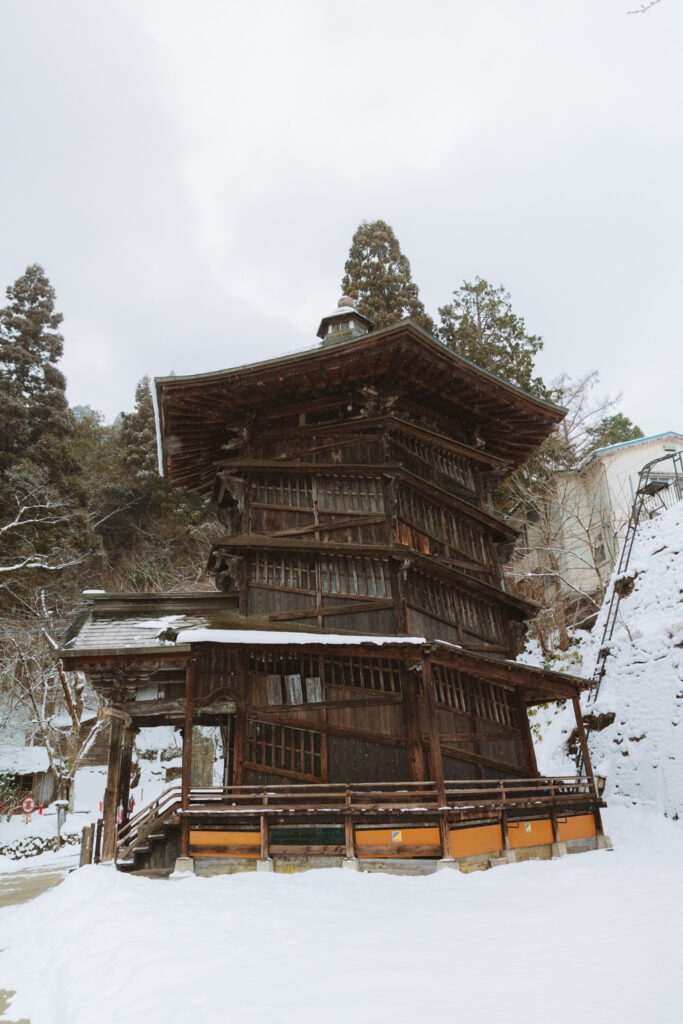
A one of a kind hexagoonal temple built in 1796 and still remains the only wooden structure in the world with a double-helix ramp!
Samurai History of Sazaedo Temple
The area is most famous for its connection to the Byakkotai; a group of teenage samurai who famously sacrificed themselves during the Boshin War in 1868 after believing Aizu Castle had fallen (given its great view across the city).
Today, the area stands as a powerful reminder of the loyalty and tragic history that shaped Aizu’s samurai legacy.
What to know before you go to Sazaedo Temple
The temple is small but incredibly unique, so allow around 15–20 minutes to explore and enjoy the views from the top and its surrounding shrines.
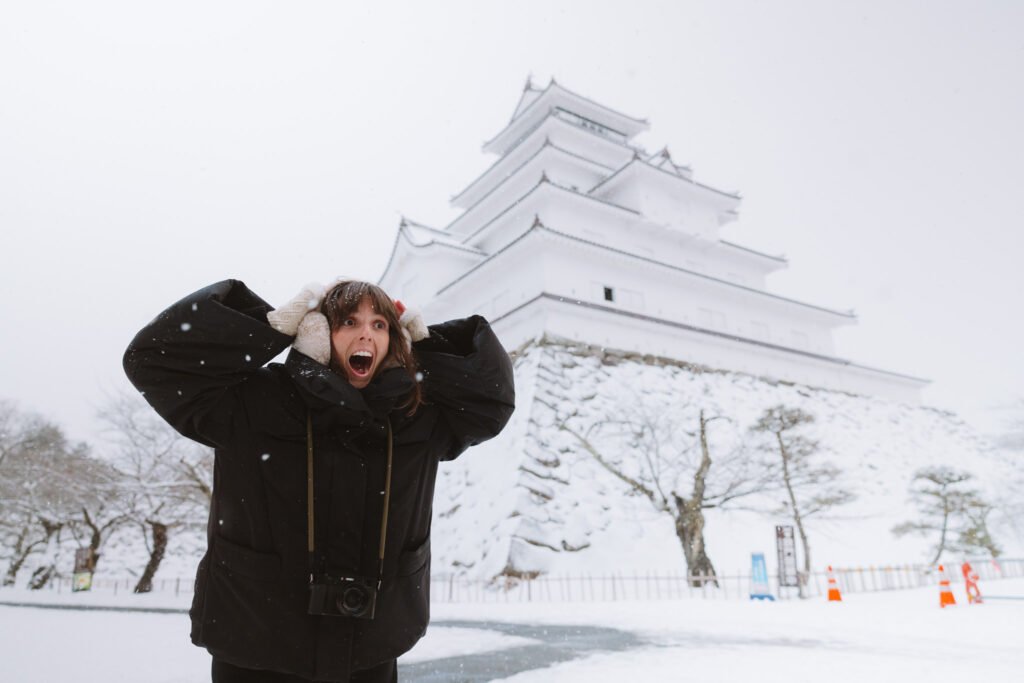
2. Step Inside Samurai History at Tsuruga Castle
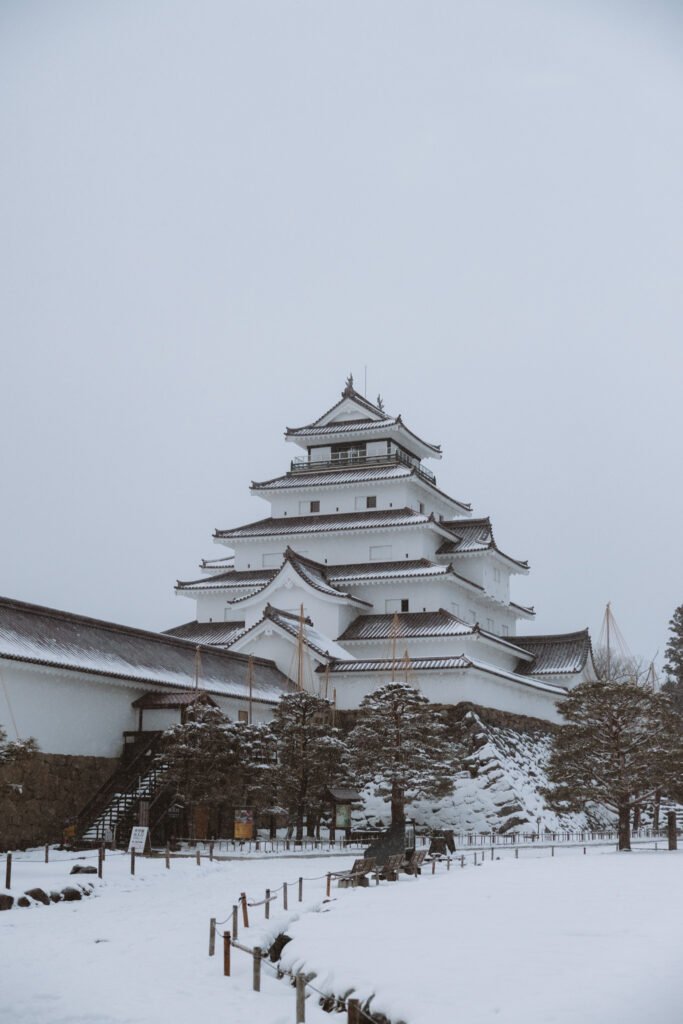
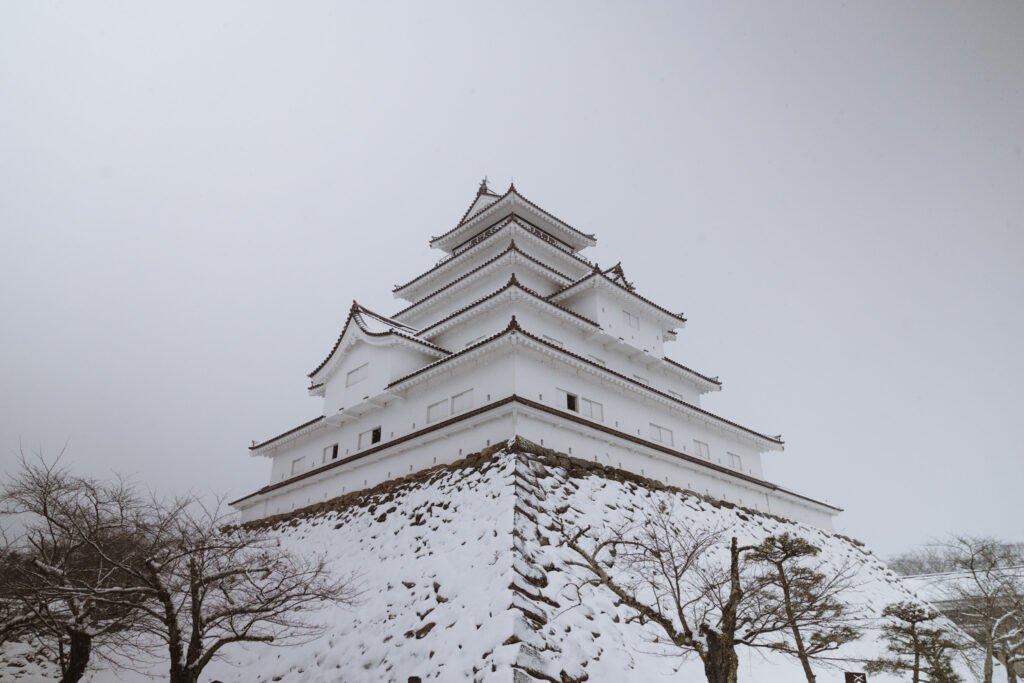

The only red-roof tiled castle in Japan, with quite the demolition/rebuild history since its original construction in 1384 to its recent restoration in 2011.
Tsuruga Castle History – aka Aizu Castle
Yes, it is also known as Aizu Castle, standing at the heart of the Aizu region for over 600 years.
Famous for the Battle of Aizu in 1868, when Aizu samurai defended the castle during a month-long siege in the Boshin War (as noted in the temple history above). Since undergoing a major reconstruction, tower reconstruction, destruction, reconstruction and a restoration!
Things to know before you go to Aizu Castle
The castle grounds are free to explore, but you can pay extra to enter inside, where it has been transformed into a unique museum.
You can not take photos inside of the museum due to the protection of special artefacts. However, it is fine to take as many as you want on the top floor panoramic observation deck (where it gets very windy haha)
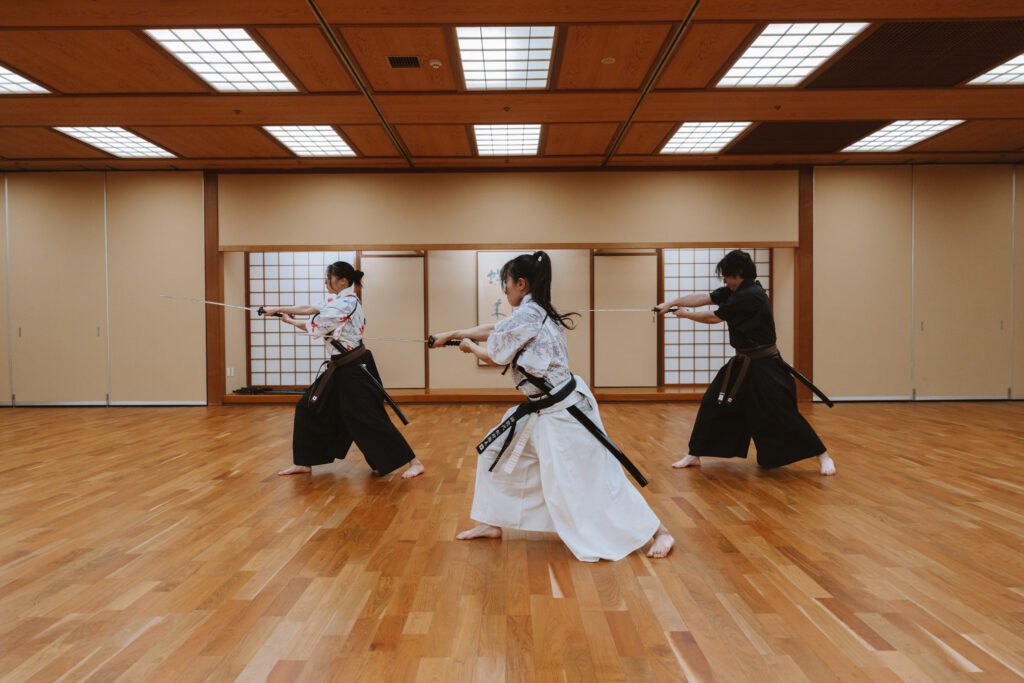
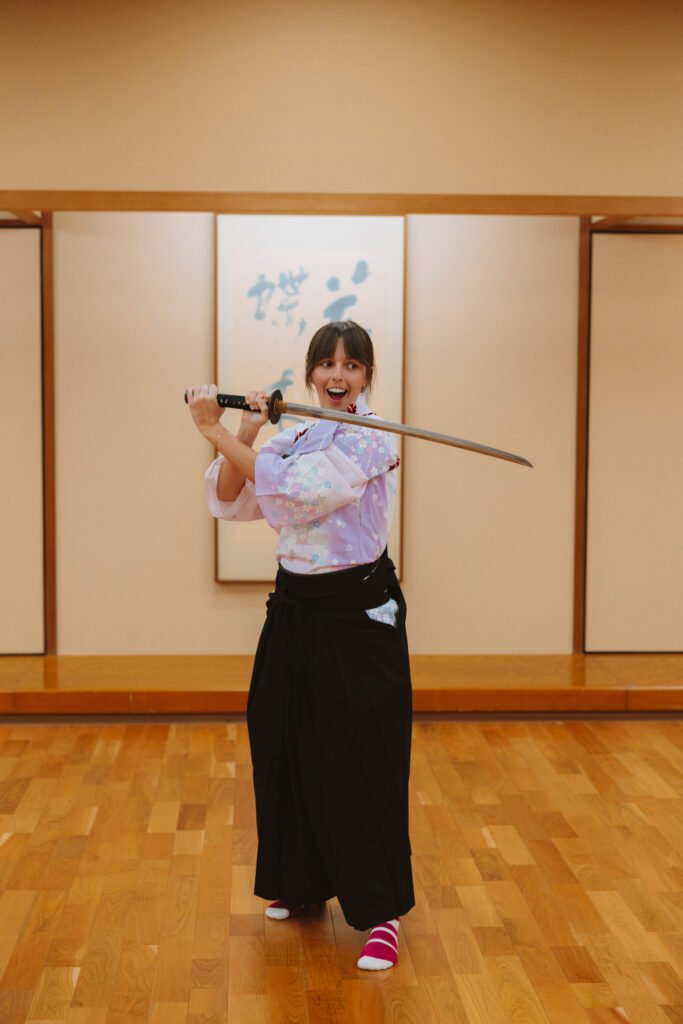
3. Train like a Samurai (Kengido Experience)
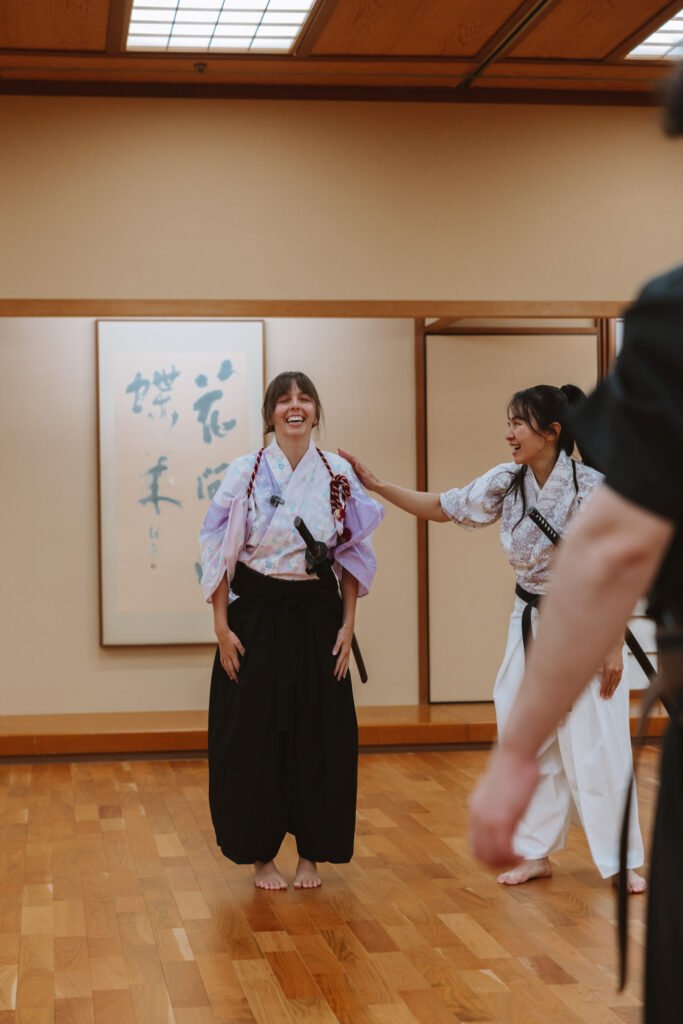
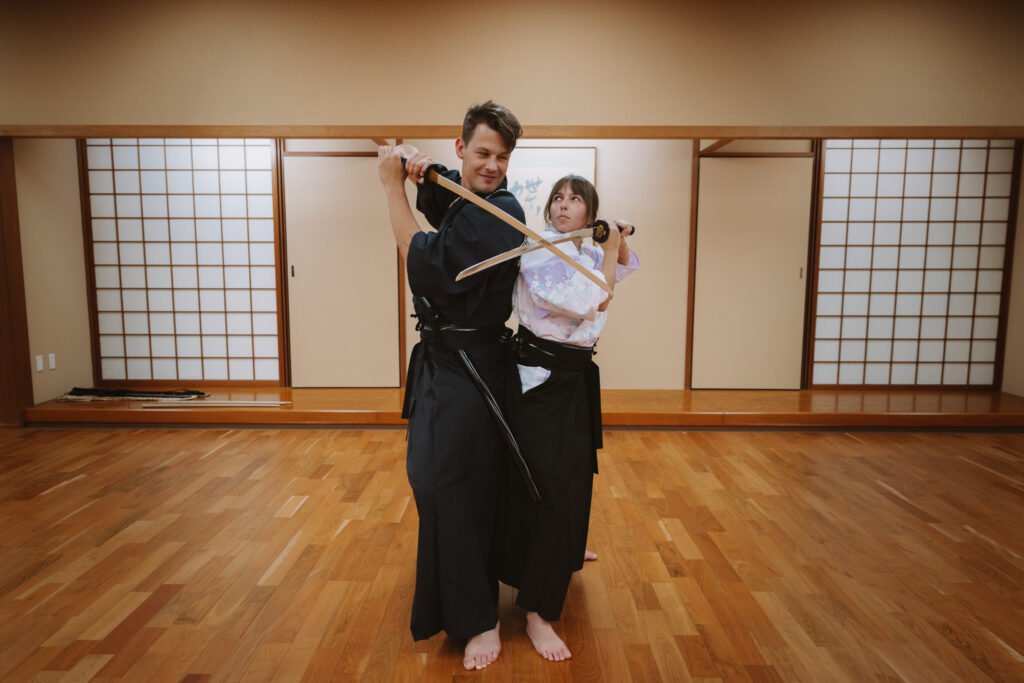
Join the team who choreograph.star in major Hollywood movies like ‘Kill Bill’ for your own superstar samurai experience.
What is Samurai Training – (Kengido Experience)
Kengido Samurai Experience give you the chance to train like a real samurai, learning traditional sword techniques, etiquette, and movements rooted in centuries-old martial arts, matching how they translate across movie magic.
While Kengido also operates experiences in Shinjuku (Tokyo) and London, its Aizu location is their base. Making for an extra special experience, being set in one of Japan’s most historic samurai regions where warrior traditions are still deeply preserved.
How to book a Samurai Class
Samurai training with Kengido can be booked in advance through their official website. Keep an eye out for their pop-up events and of course, their movie features!
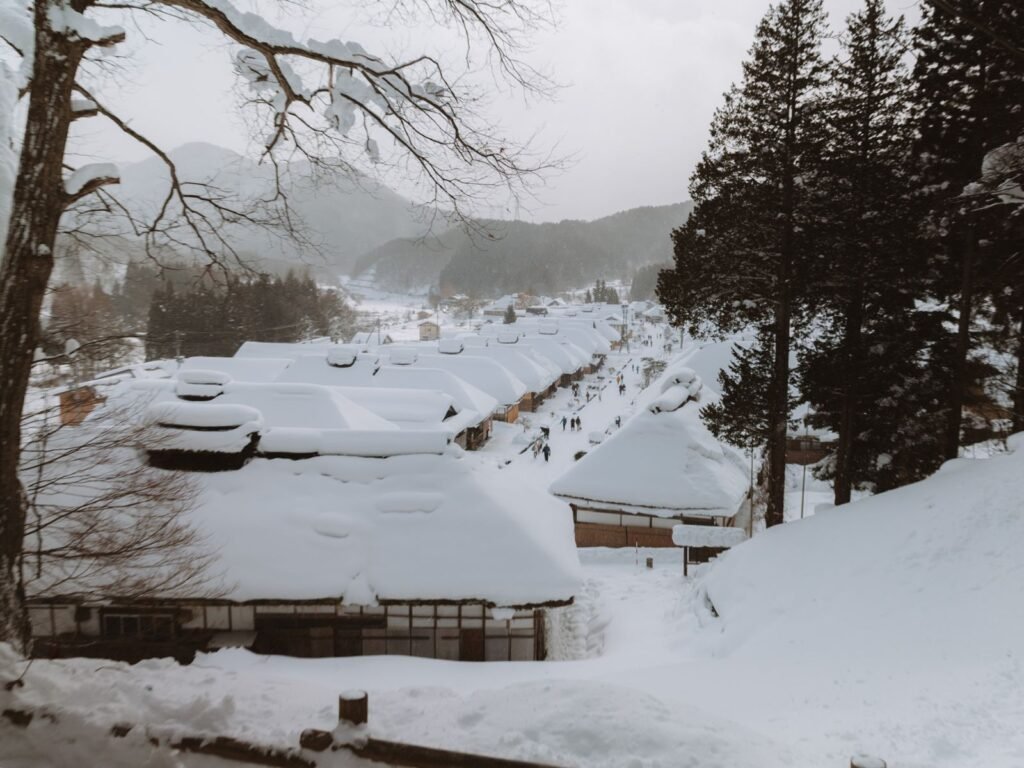
4. Visit Ouchi-juku – The Underrated Edo Post Town
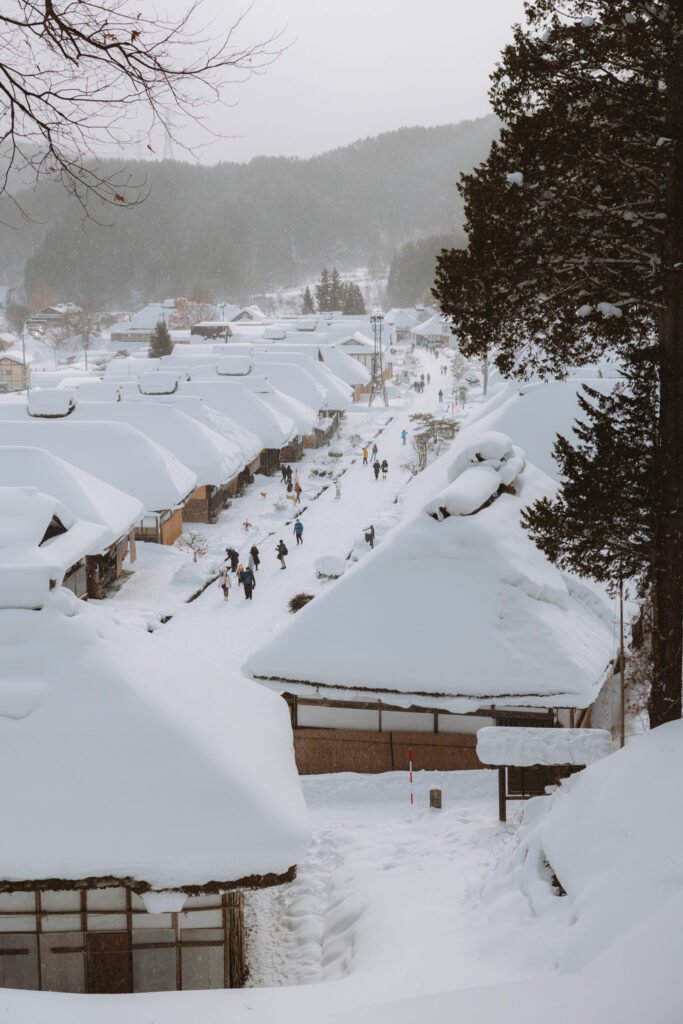
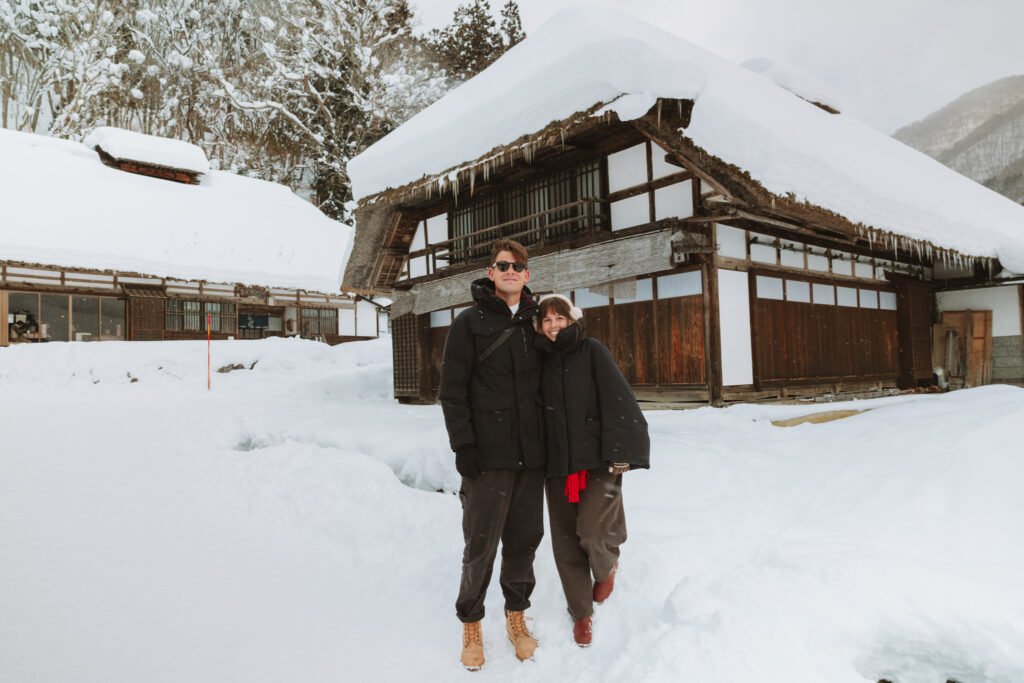
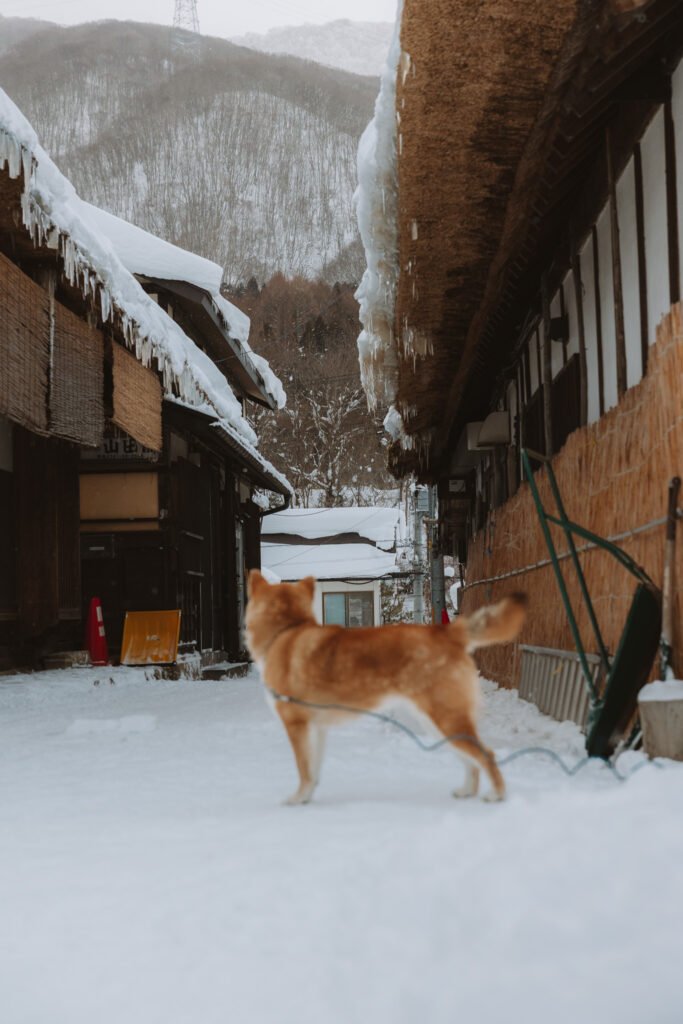
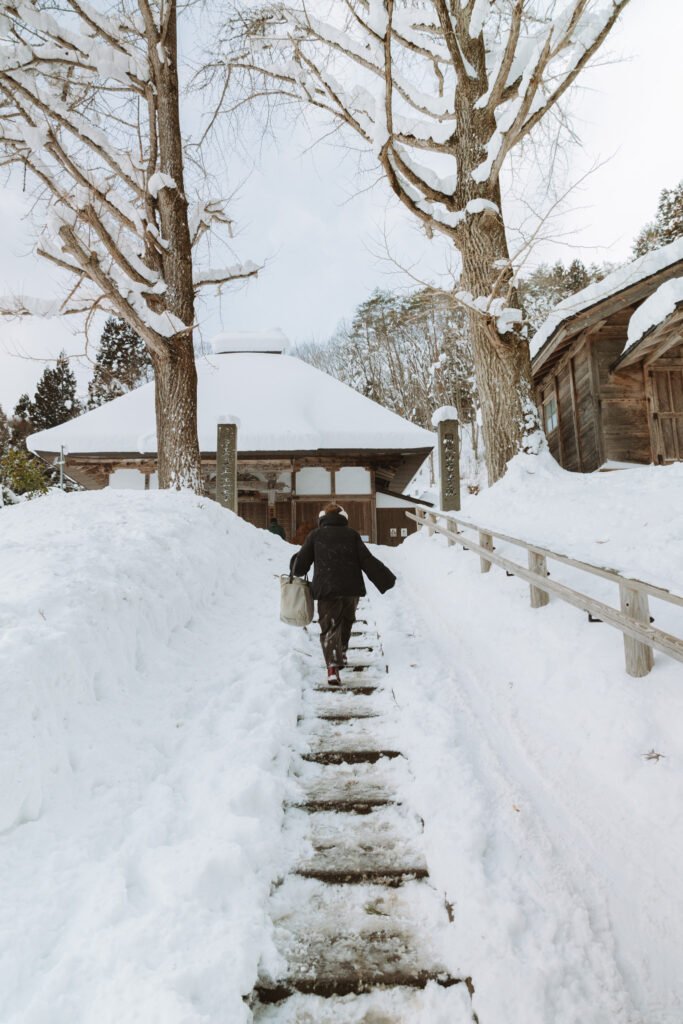
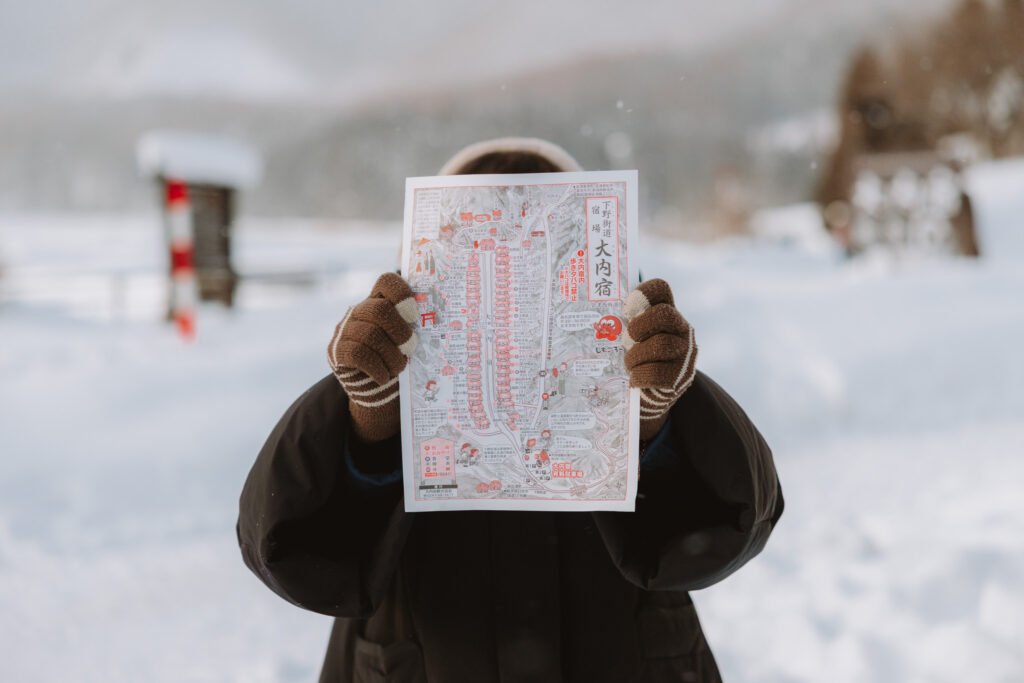
Step back in time in this Edo-period Post Town. If you think the 40+ traditional thatched roof houses are unique, just wait until you try the food…
Best time to visit Ouchi-juku
Ouchi-juku is beautiful year-round, but it’s especially magical in winter when the village is covered in snow, even more so during the annual Ouchi-juku Snow Festival in February, when the streets are illuminated with snow lanterns!
5. Try Aizu Lacquerware (Maki-e Workshop)
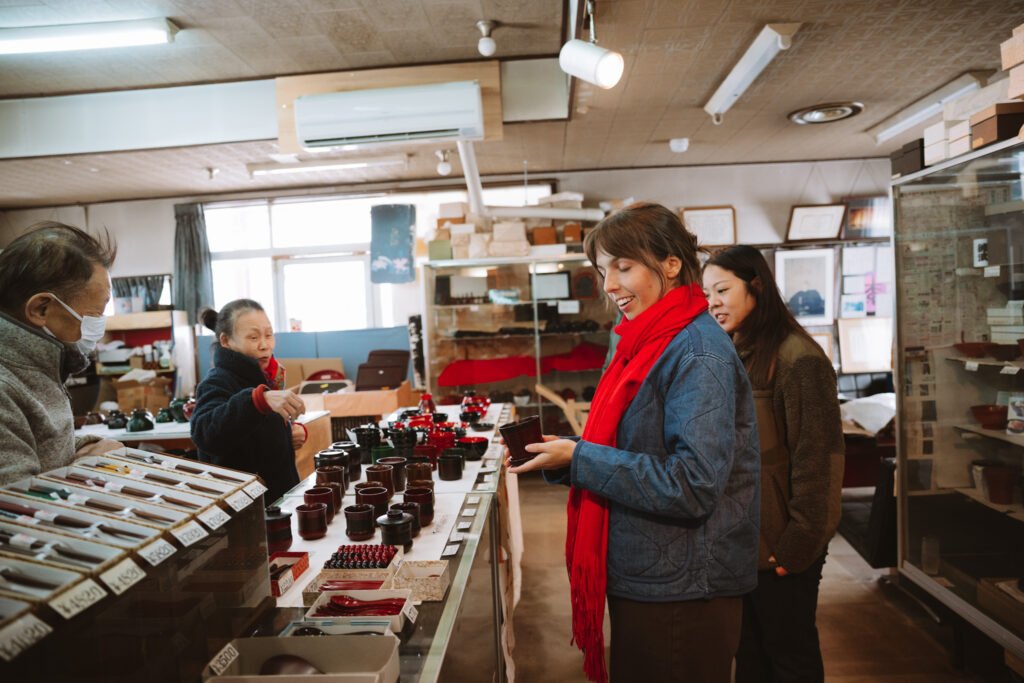
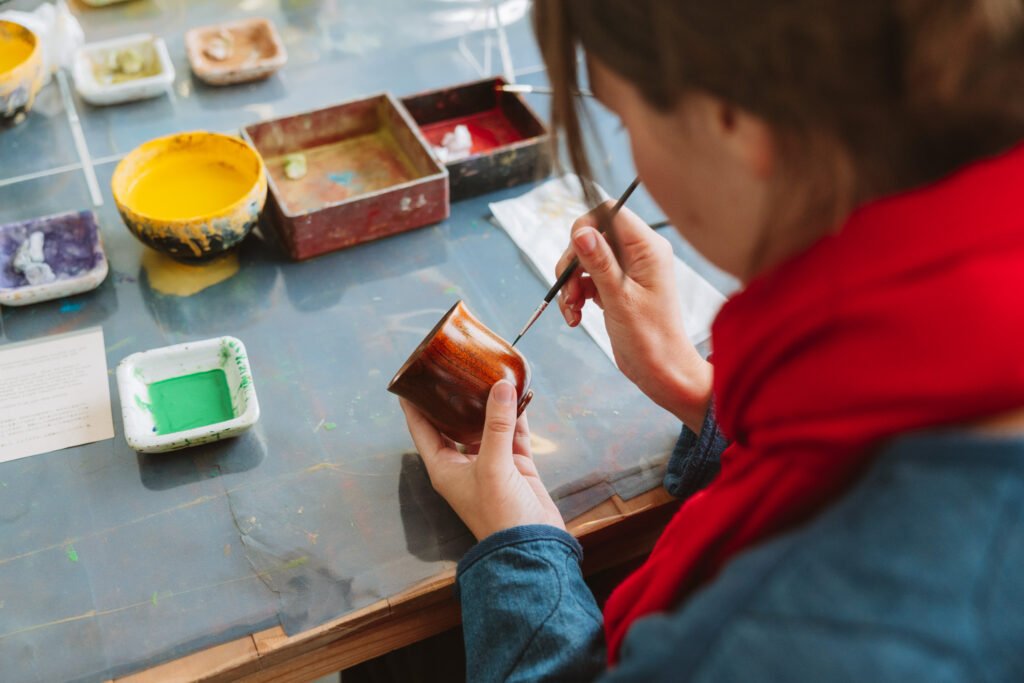
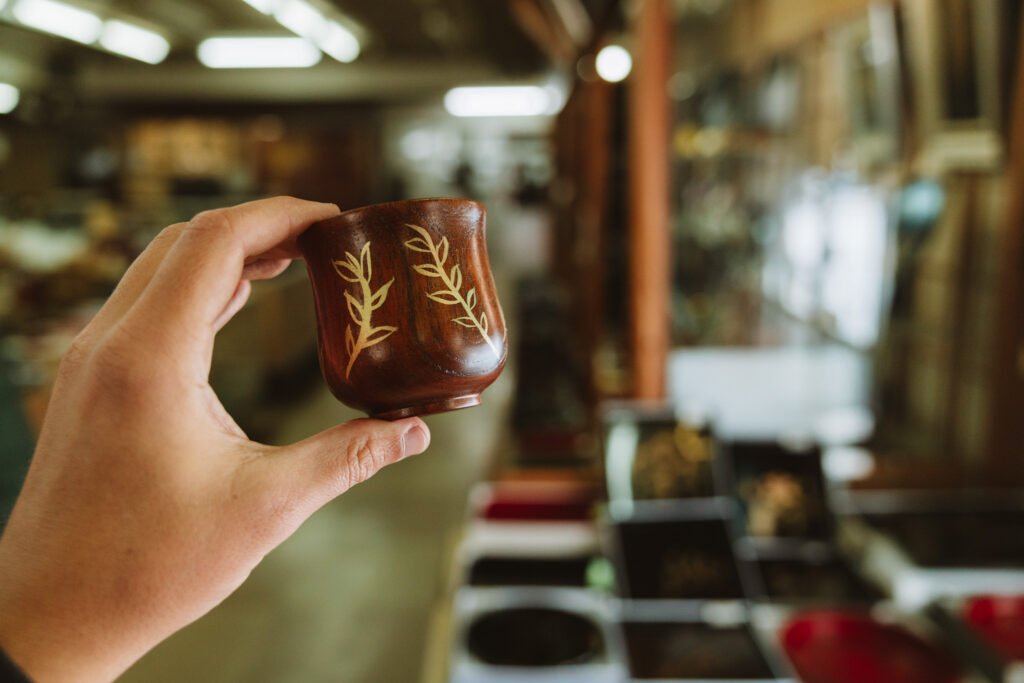
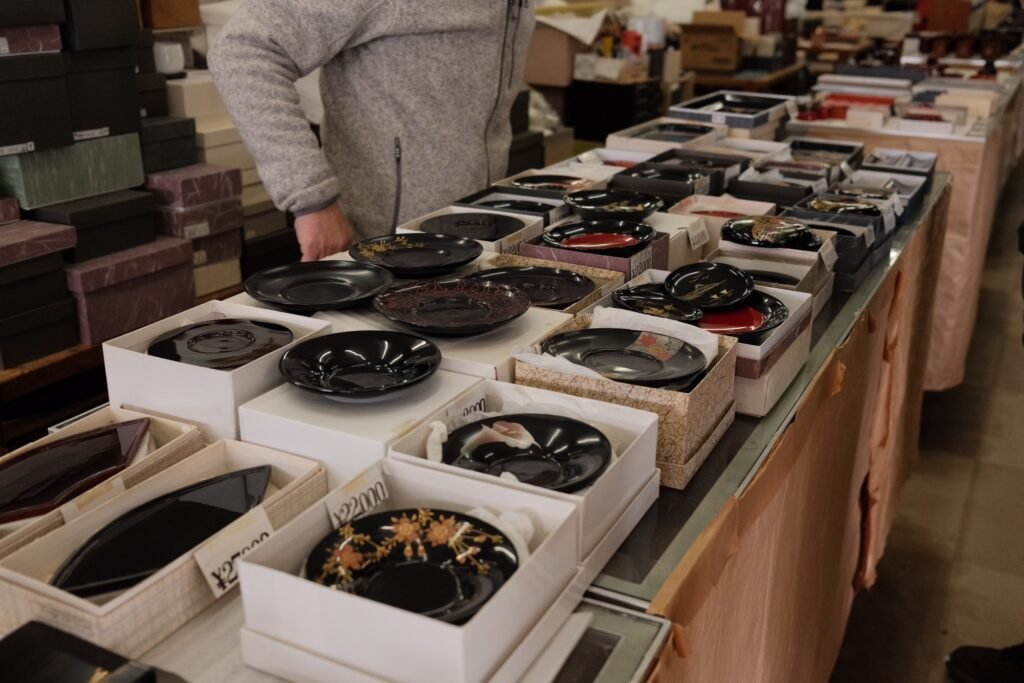
Try your hand at the traditional gold-dusting techniques on handcrafted lacquerware with the masters that do it all in this very workshop. A calm, humbling and eye-opening experience that brings a deeper sense of appreciation for the art and likely bringing you a few more souvenirs to take home!
What is Maki-e
Maki-e is a traditional Japanese lacquerware technique, where gold, silver, or metallic powders are sprinkled onto wet lacquer to create intricate, shimmering designs (harder than it looks!). Originating in the Heian period, it’s a highly prized craft in Aizu.
Where to do a Traditional Laquerware workshop in Aizu
We did our workshop (and extra shopping) at the Suzutake Laquerware Studio in Aizu where everything is handmade and painted all on site.
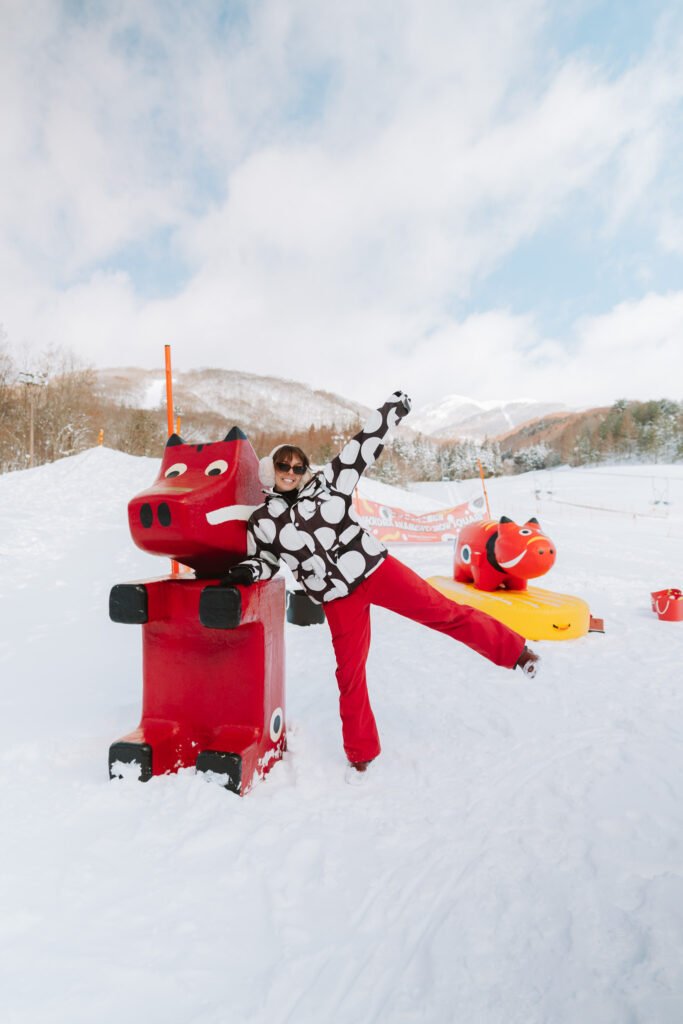
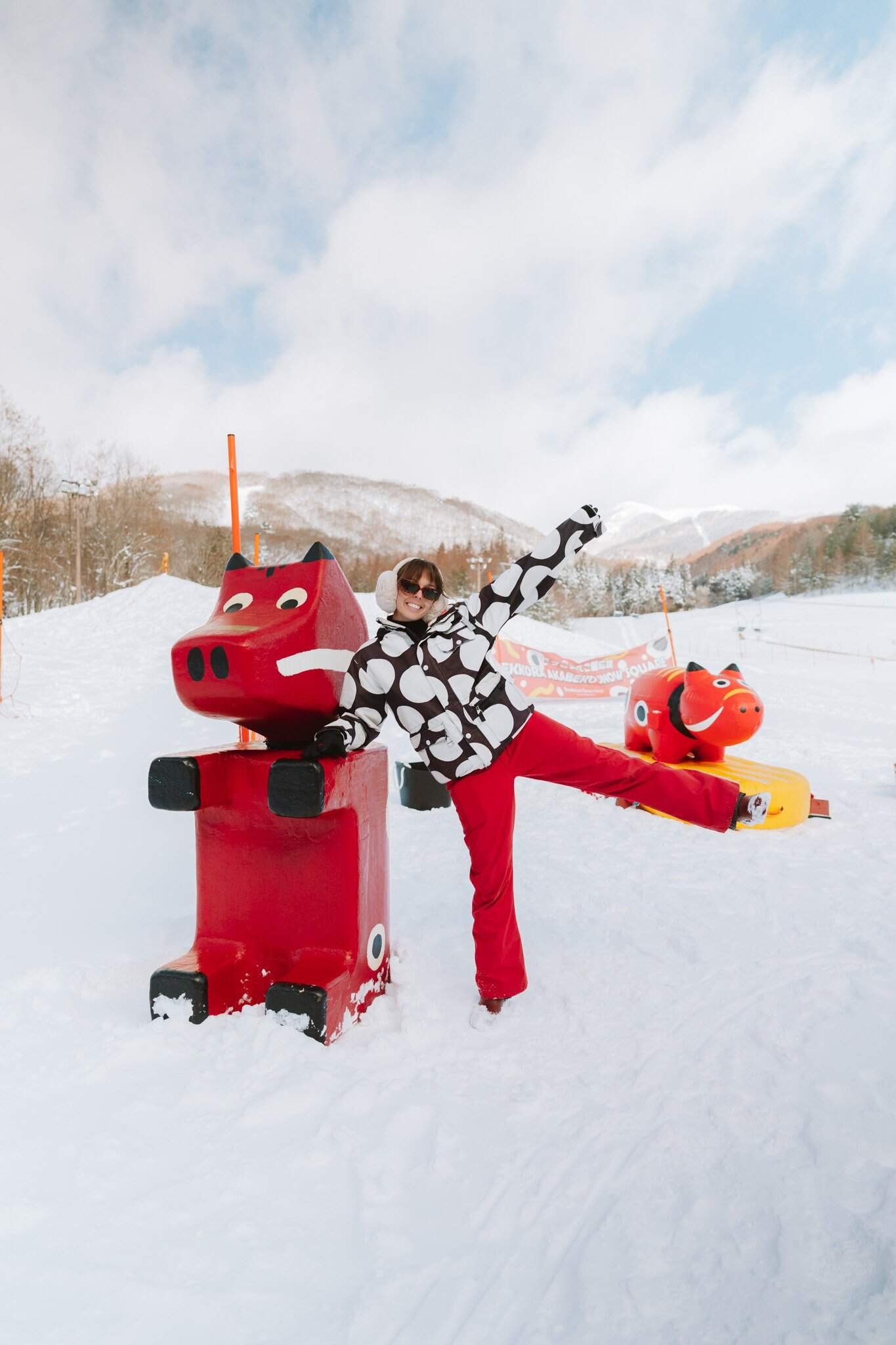
6. Fall in love with AKABEKO

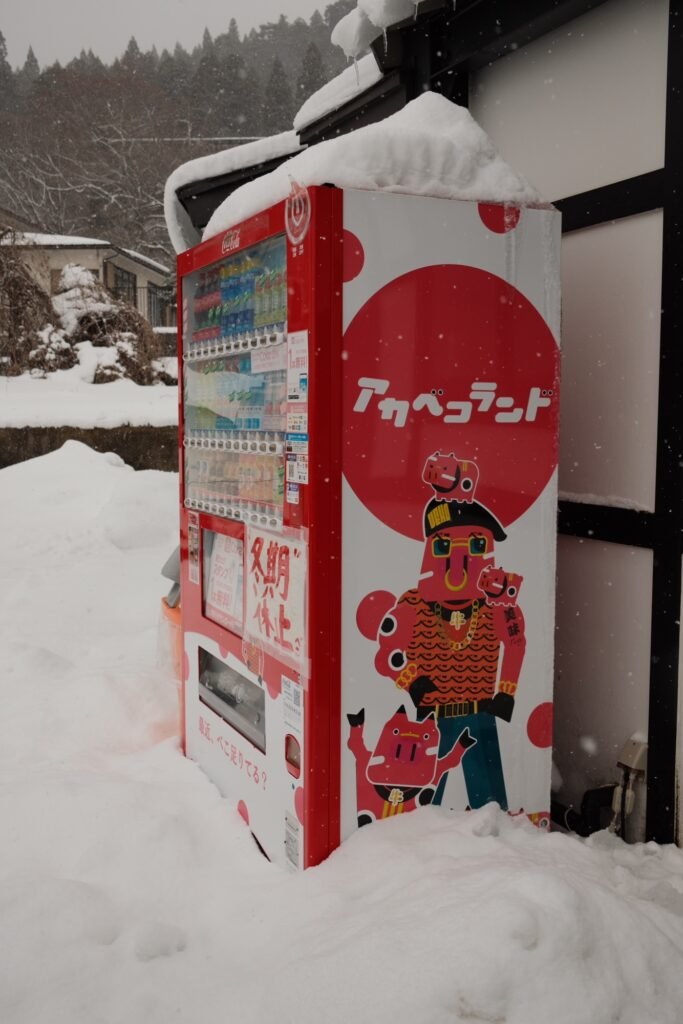
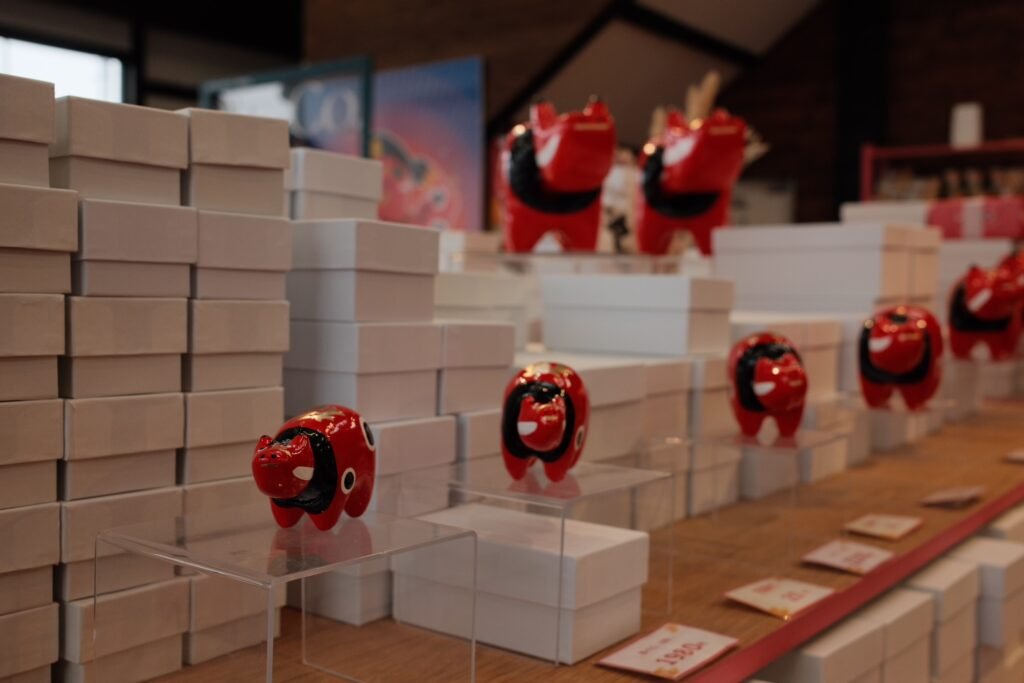
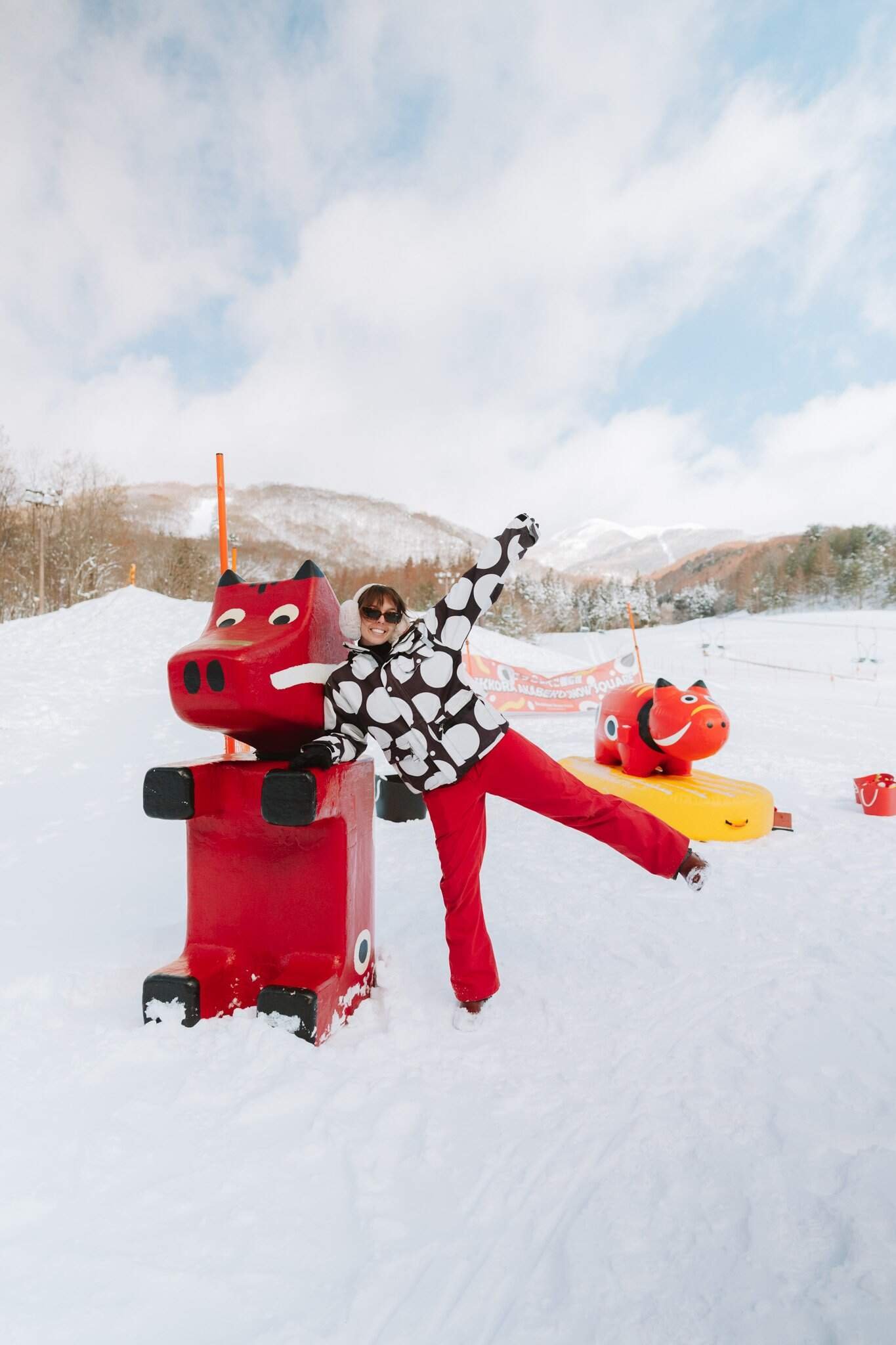
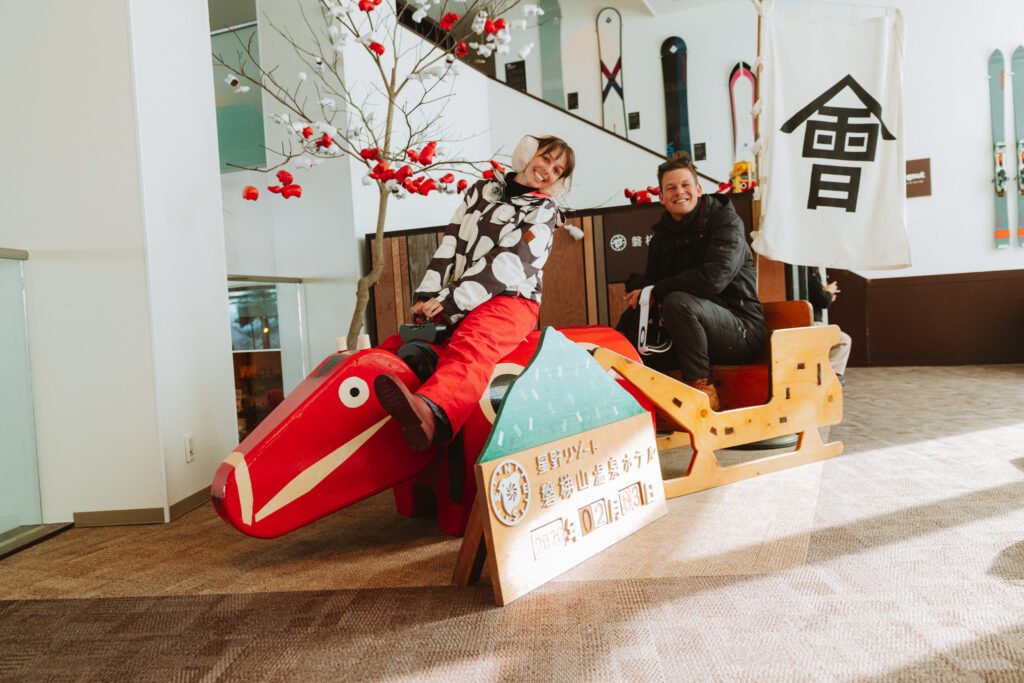
Fall in love with Aizu’s iconic red cow mascot, a traditional folklore symbol of protection and resilience you will see pop up in ever shape and form across the region!
What is Akabeko?
Made from papier-mâché and lacquer, this cow figurine is believed to bring good health and protection from illness, especially for children. In fact, it sold out completely during the pandemic!
Legend says the first Akabeko was modelled after a cow that helped build Enzō-ji Temple in the 9th century and refused to leave the temple grounds, symbolising loyalty and perseverance. Today, Akabeko is an iconic folk craft of Aizu, a beloved souvenir, and a cultural symbol of the region’s resilience and of course, that samurai spirit.
Unique Akabeko experiences in Aizu
You will spot everything from Akabeko vending machines and gacha to playgrounds and clothing but my favourite of all is the experience of painting your own.
7. Try the Footbath waiting room at Yunokamionsen Station
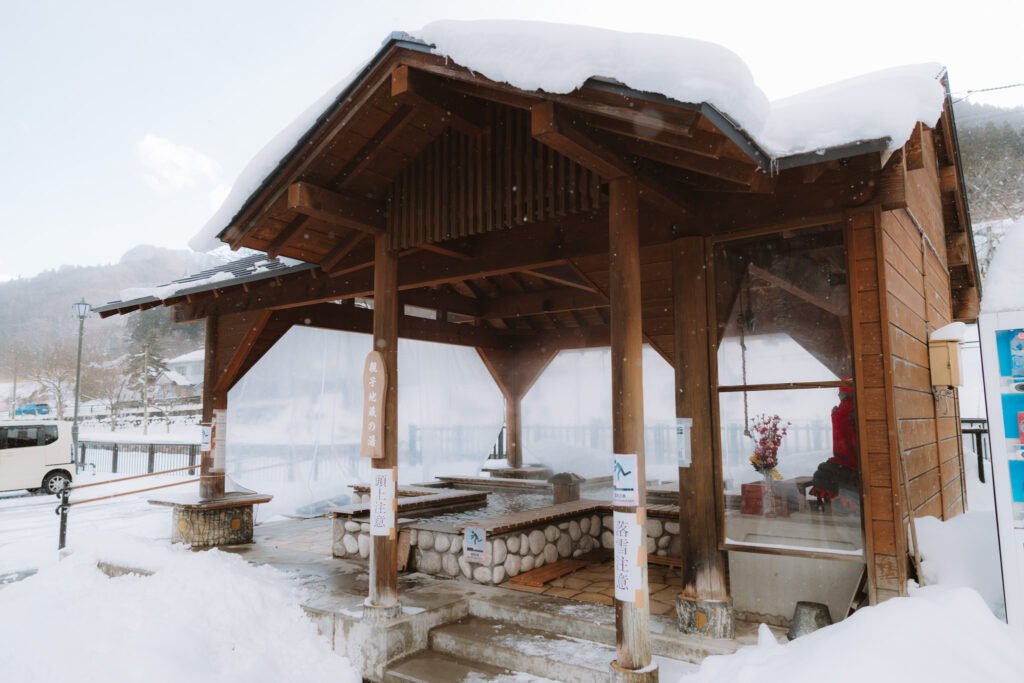
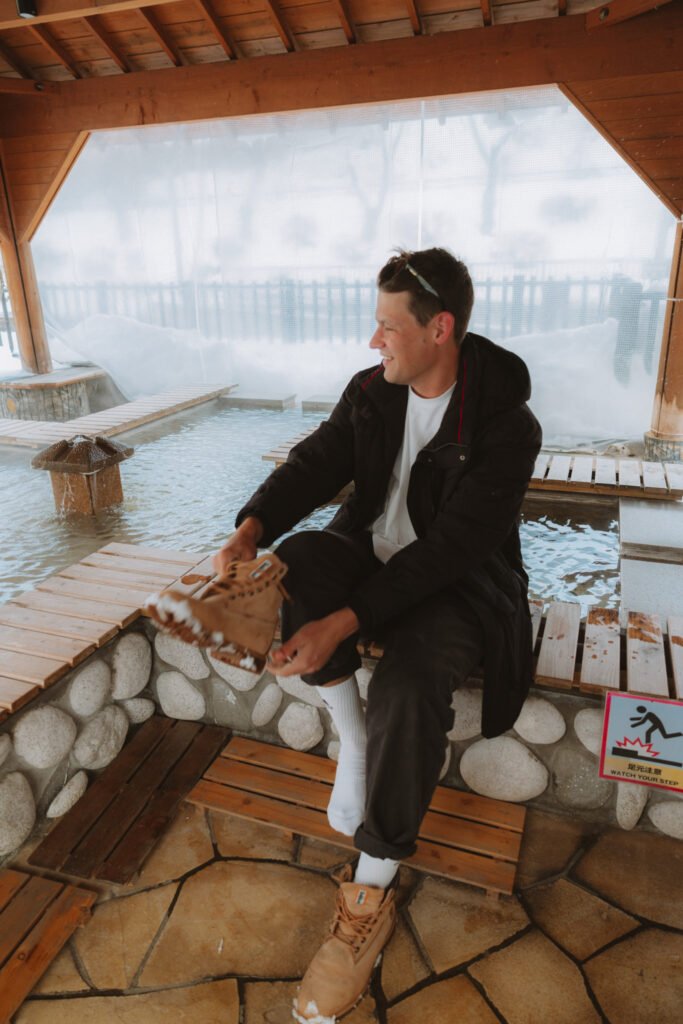
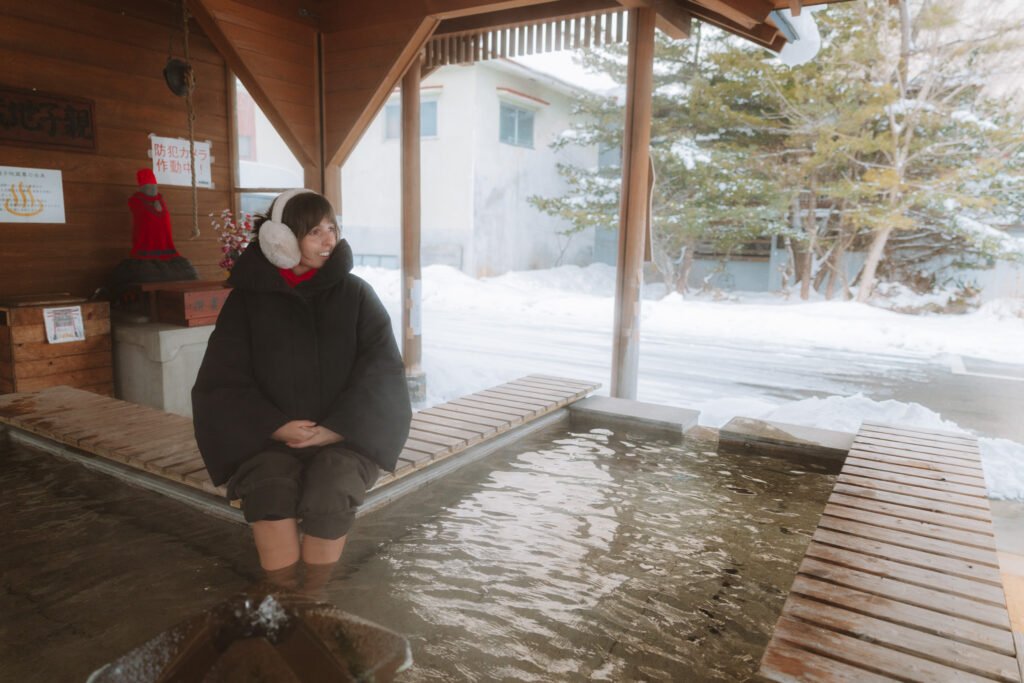
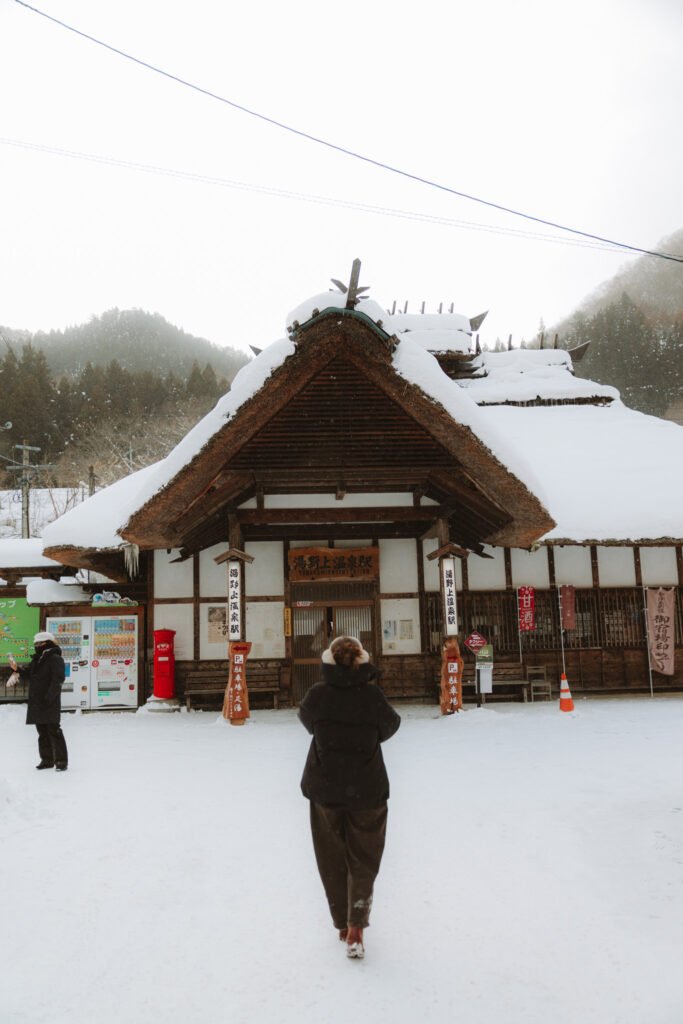
A quaint thatched-roof train station where you actually don’t mind the long waits between trains thanks to its own FOOTBATH Waiting Room!
Where is the Yunokamionsen Station Footbath
The footbath is hard to miss. right outside Yunokami Onsen Station on the Aizu Railway line in Fukushima Prefecture. Where itt would be rude not to soak your feet in natural hot spring water while waiting for the next train.
Unique Food Experiences in Aizu
8. Sake Brewery Tour and Tasting at Eisen Sake Brewery
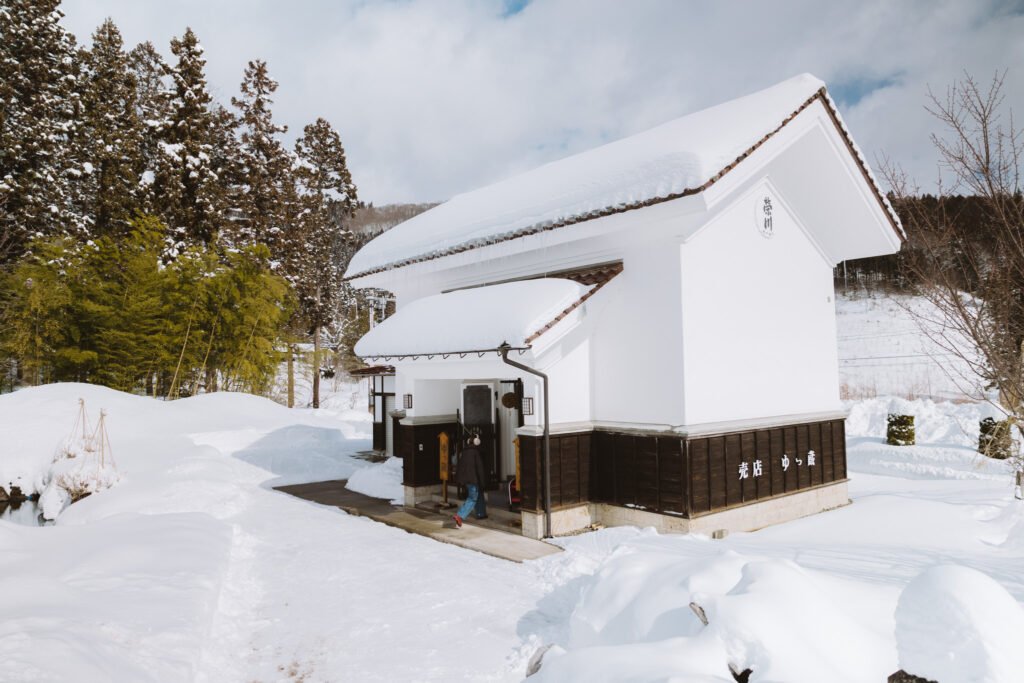
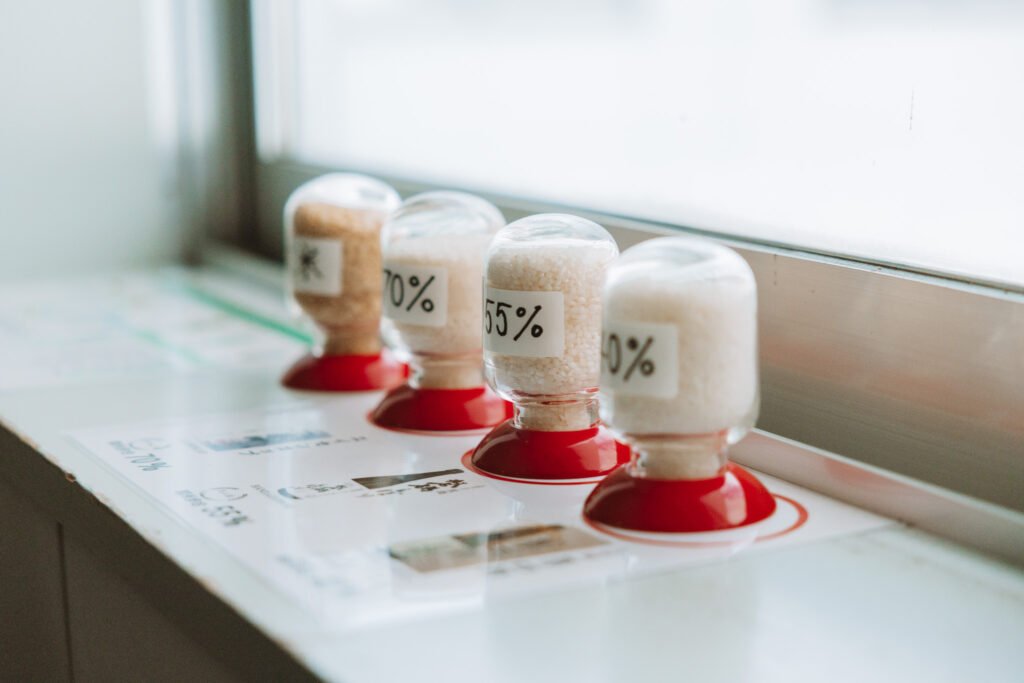
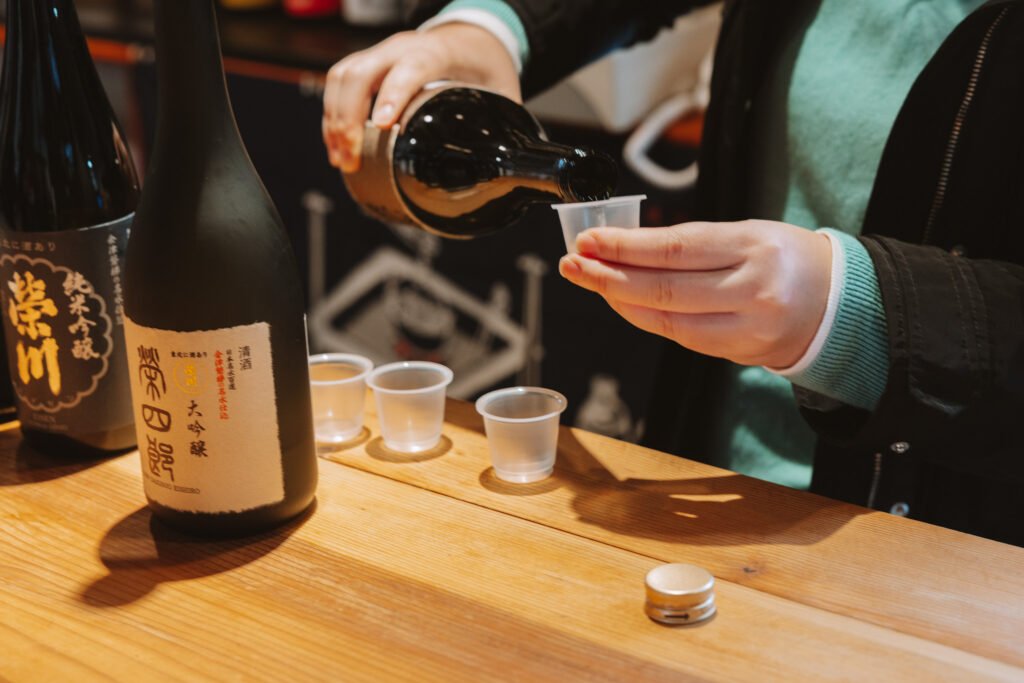
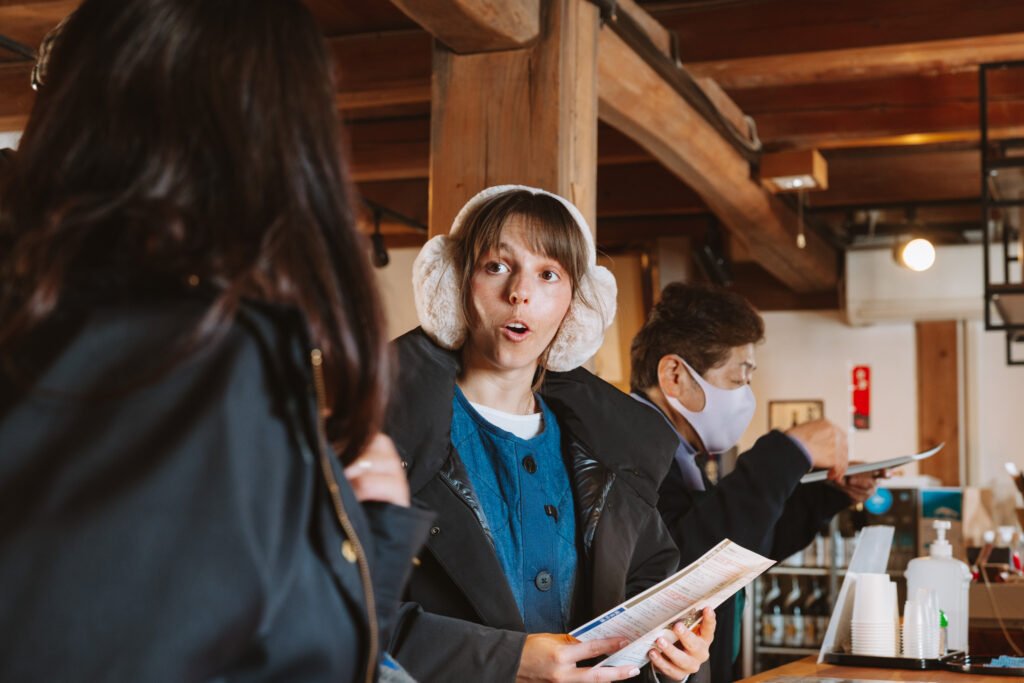
Meet one of Aizu’s historic sake producers, and learn how traditional Japanese sake is made using locally grown rice and pristine mountain water. You can tour the brewing facilities, see the fermentation process up close, and enjoy a tasting of their signature brews.
Where is Eisen Sake Brewery
Eisen Sake Brewery is about 15 minutes by car from Aizu-Wakamatsu Station. Public buses are limited, so driving (with a designated driver please) or joining a guided tour is recommended.
Although you can find some of the specialty sakes all across Japan with a couple even popping up in Australia and around the world!
Award-winning WATER and SAKE!
It seems crazy to me that water can win awards, but this crystal-clear, mineral-rich water sourced from the nearby mountains in Aizu has just that. Combined with carefully selected local rice and centuries-old brewing techniques, it comes at no surprise that it produces award-winning sake. Their dedication to craftsmanship has earned Eisen numerous national and international awards.
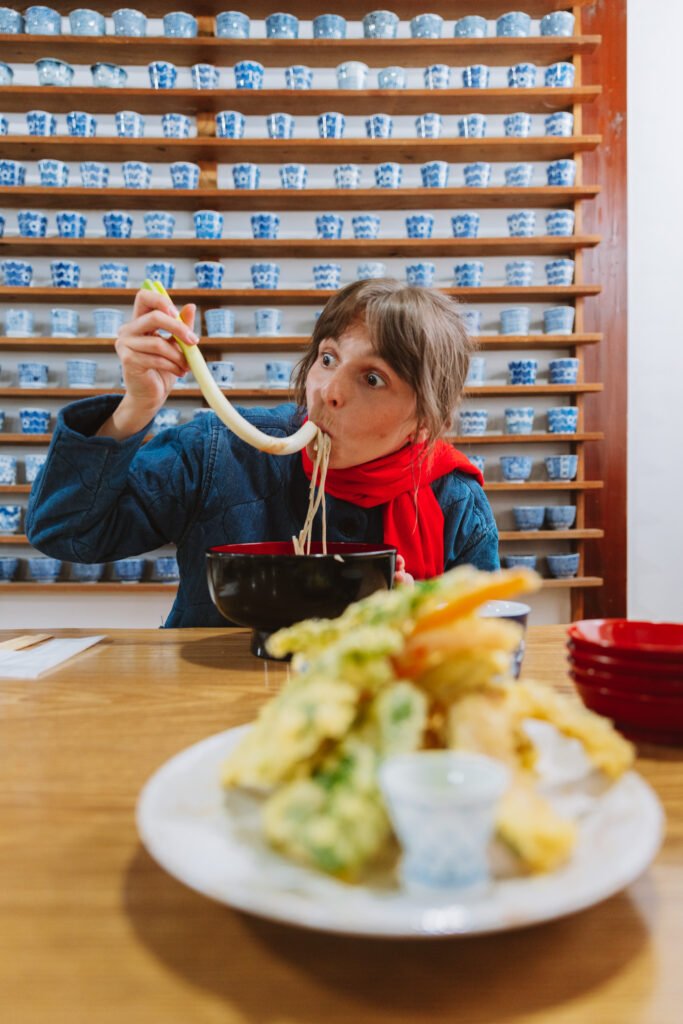
9. Forget chopsticks, try Green Onion – Negi Soba
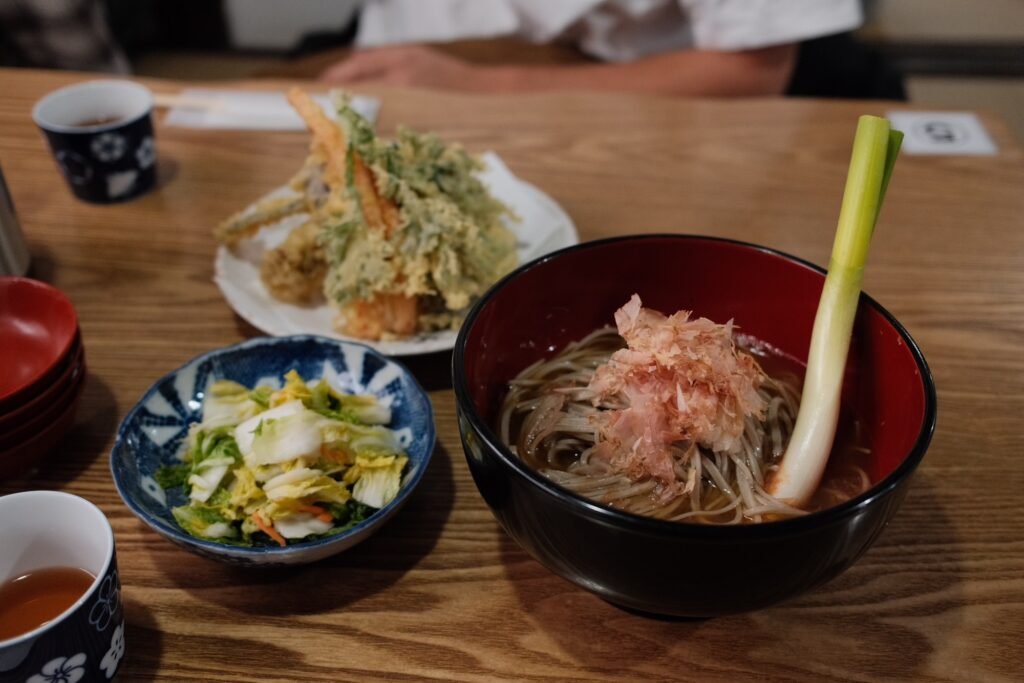
Negi Soba is a unique Aizu specialty where Soba (cold buckwheat noodles – yes, cold surprised me too) are eaten using a long green onion/leek instead of chopsticks, adding a mild onion flavour with every bite. Or major onion flavour if you’re brave enough to chomp right in.
Where to try Negi Soba
As hinted at previously, Negi-Soba is found exclusively in Ouchi-juku, the historic Edo-period post town, where it’s traditional restaurants still serve this kind of hilarious yet fascinating local dish.
10. Izakaya GO!
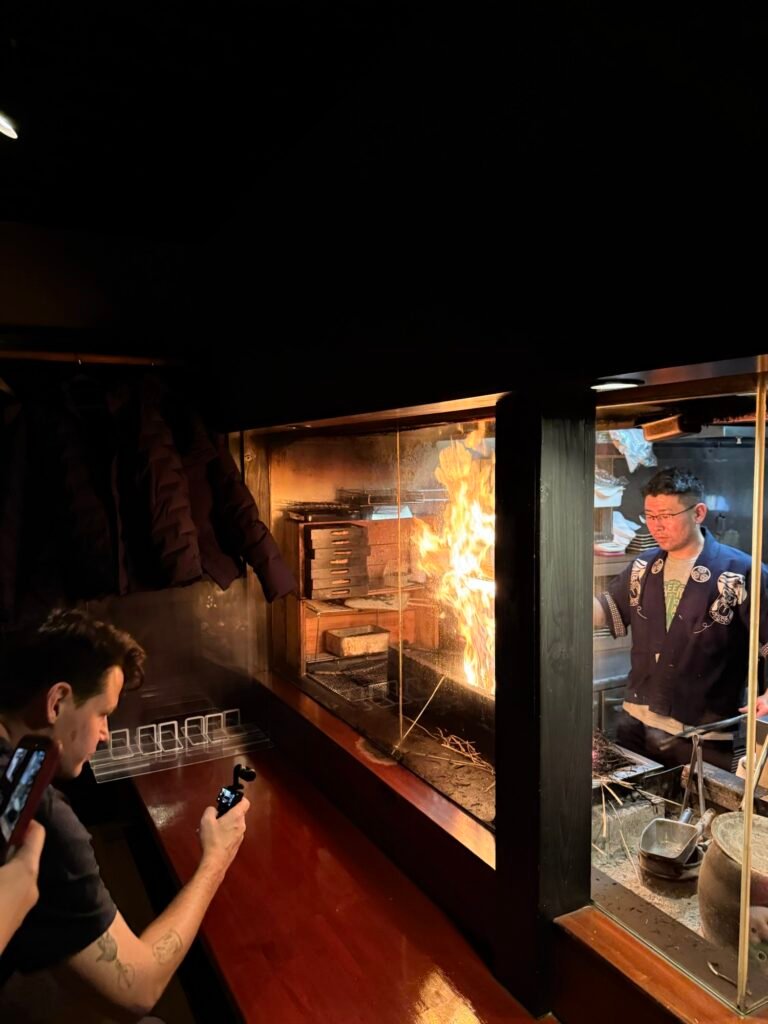
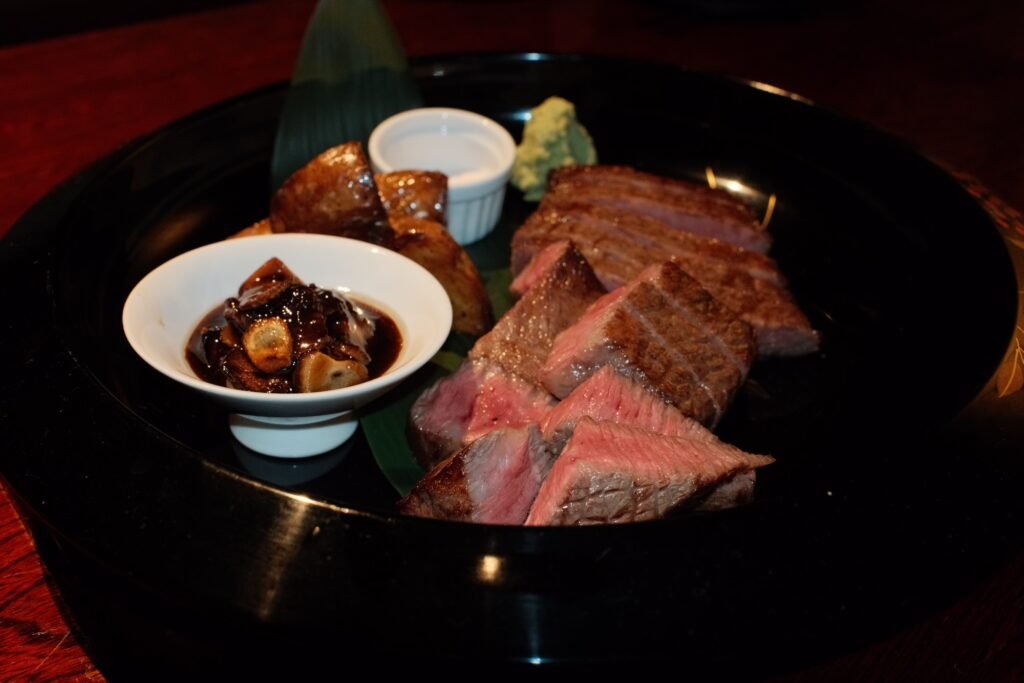

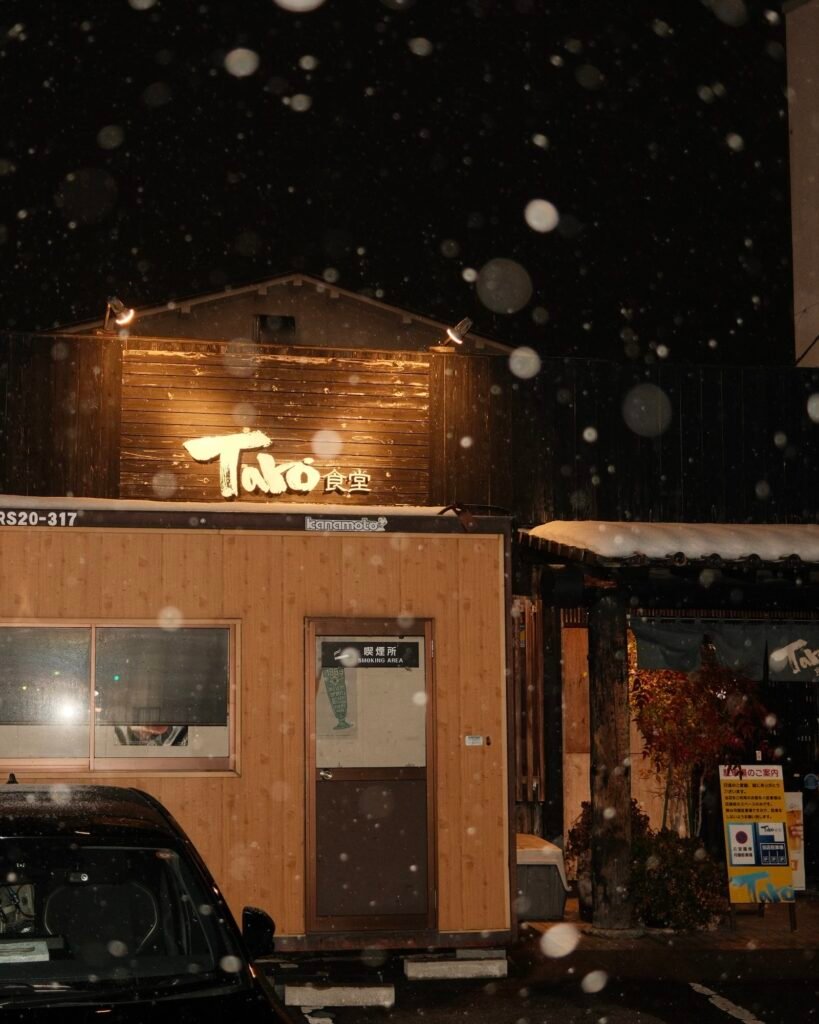
Try regional AIzu dishes and drinks to eat the way the locals do in a lively local dining experience.
What is an Izakaya
An izakaya is a casual Japanese pub where locals gather to enjoy small plates, drinks, and conversation. I best describe it as Japan’s equivalent of Tapas for Spain.
Our Izakaya Experience with Hoshino Resorts
What make sHoshino Resorts one of my favourites across Japan is their pride and care for their communities in Japan.
During our stay at Bandasian Onsen Hotel at Hoshino Resorts Nekoma Mountain, we were able to swap out our included hotel restaurant dinner for the opportunity shuttle bus into town to try one of their 7 local Izakayas. It may be the sake talking but it was truly a highlight of our trip!
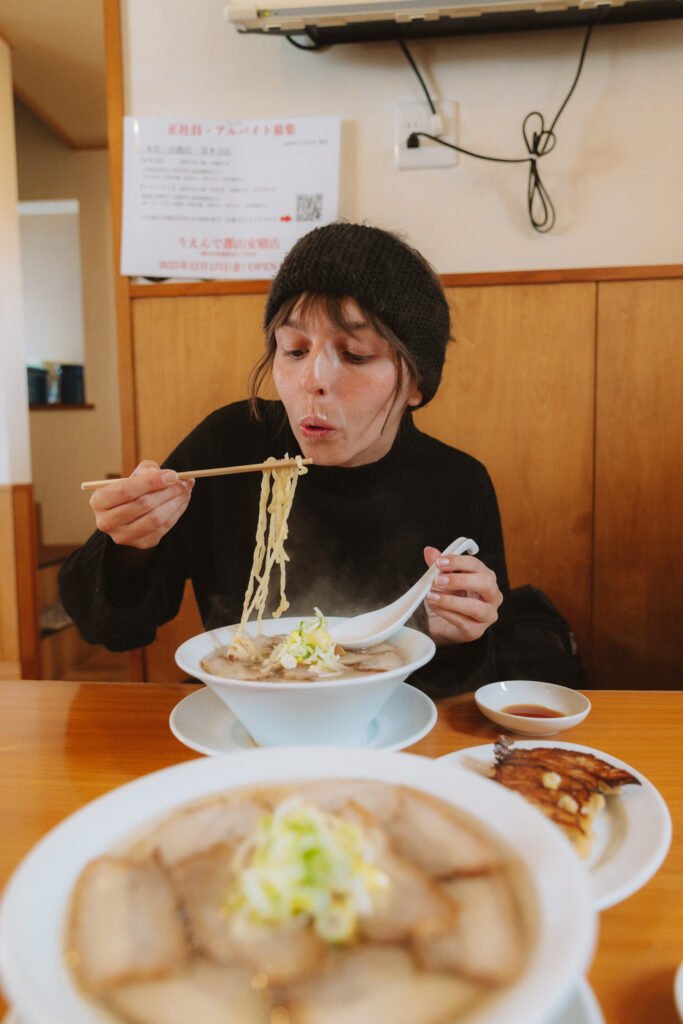
11. Slurp up some Onsen Ramen
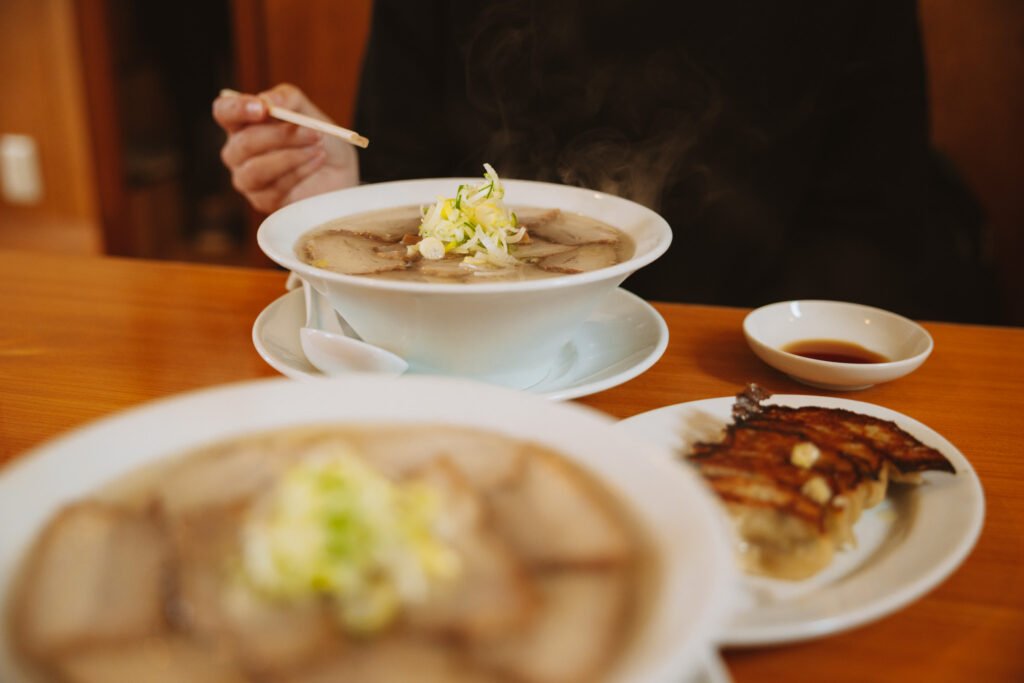
Don’t worry, they aren’t scooping water out from the onsens people are actually bathing in right into your bowl…
What is Onsen Ramen
This is actually a local specialty where the noodles and broths are made with minerals of local hot spring water, giving them a smooth texture and rich flavour. Served piping hot in cozy local shops, it’s the perfect comfort food after a day exploring Aizu.
12. Would you try Horse Sashimi?
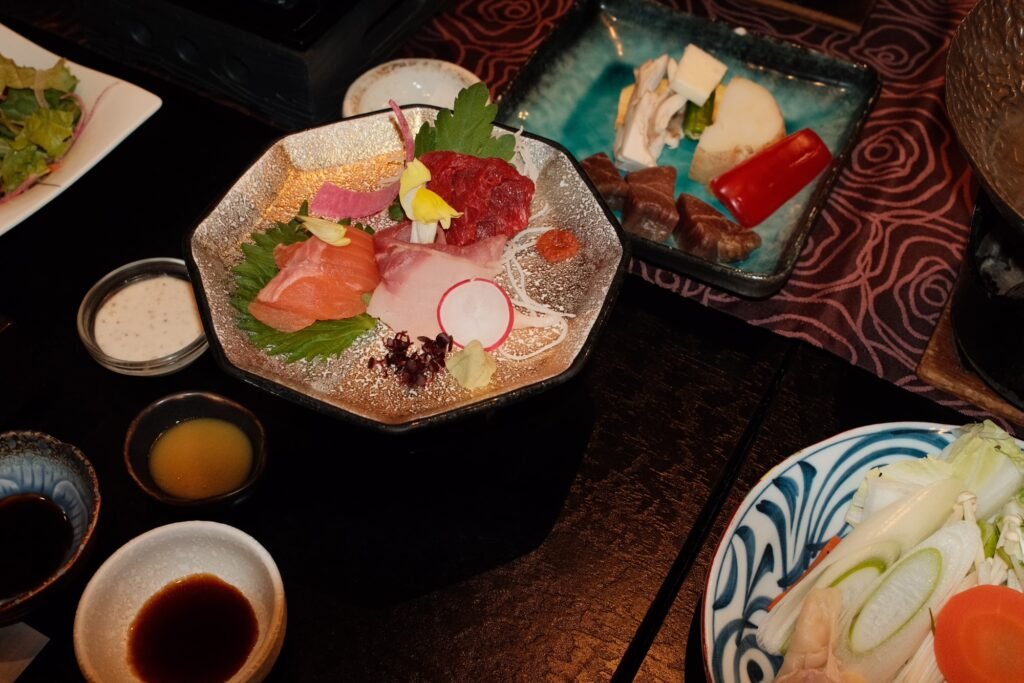
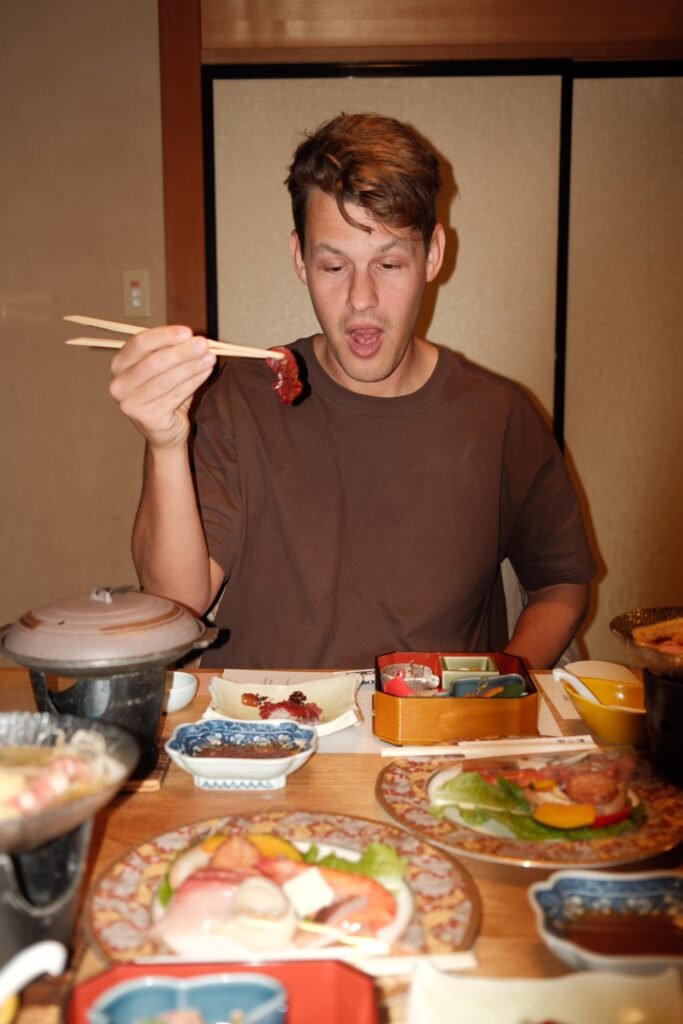
Aizu is one of the few regions in Japan where you can try basashi, or horse sashimi.
It is a little different to the fish sashimi most tourists come to Japan for but here it is a delicacy of thinly sliced raw horse meat, often served chilled with soy sauce, garlic, and ginger.
Why is Horse Sashimi popular in Aizu?
Due to the region’s long history of horse breeding and again, the samurai culture (I told ya it’s the heart of the region!), where horses were prized for transportation and battle. Over time, horse meat became a local specialty, valued for its lean, tender texture and mild flavour.
13. Ski-in burger on the slopes of Nekoma Mountain
Influenced by the famous Fergburgers in Queenstown, New Zealand, Aizu have put their own twist of a classic high on Nekoma Mountain.
Well, actually it’s more so in the middle of its special beginner course at Hoshino Resorts NEKOMA Mountain, set up as its specialty ski-in restaurant to fuel you up for hitting some of the best JaPOW in the country.
How to get to the ‘Riders’ Burger restaurant
Enjoy a juicy burger without ever leaving the ski runs. This unique “ski-in, ski-out” dining experience is a favourite for a day on the slopes in Aizu. Easily accessible from its main ski lifts and along its beginner run.
Unique Hotels in Aizu: Onsens, Anime and Ski Resorts
Higashiyama Onsen, Aizu
Aizu
Nekoma Mountain
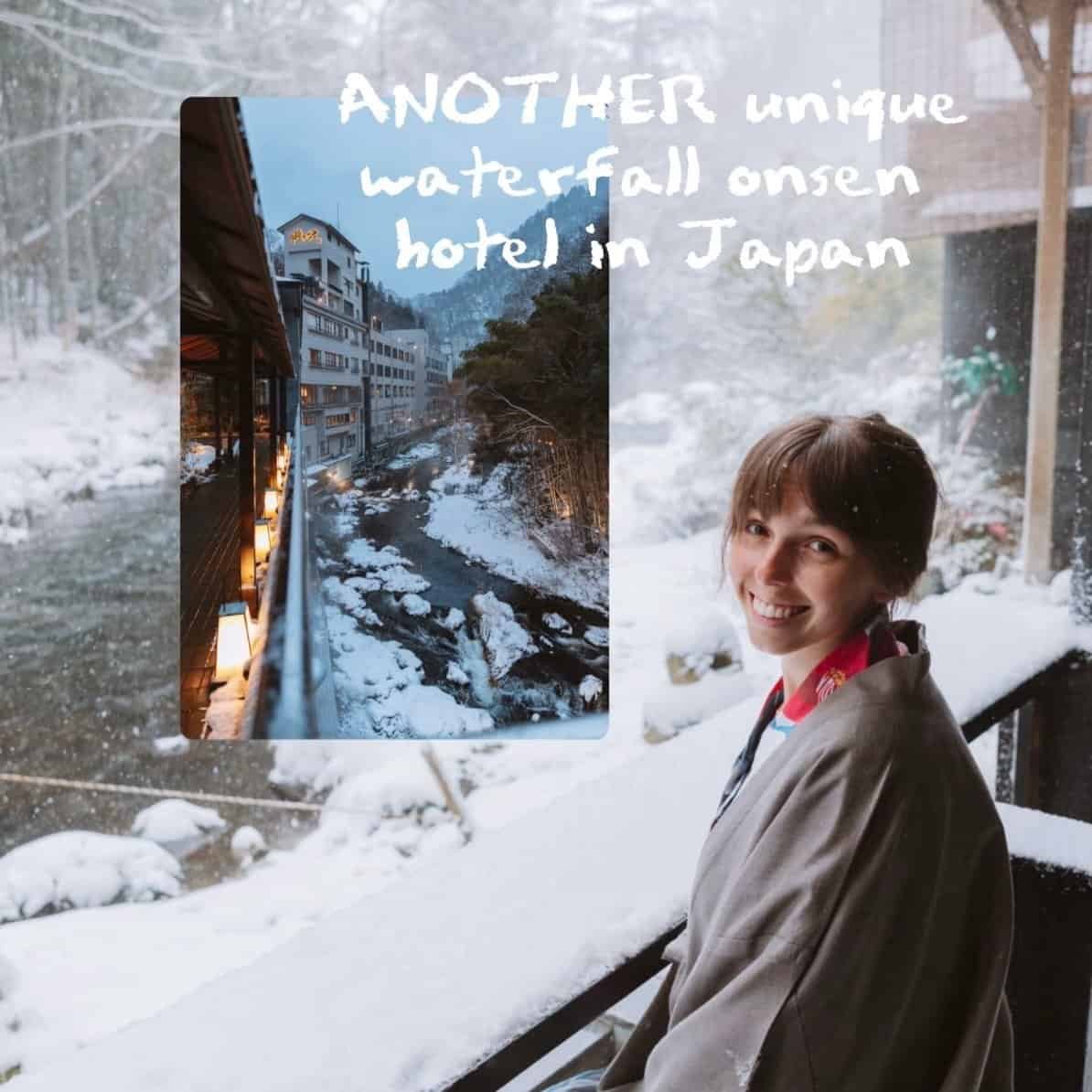
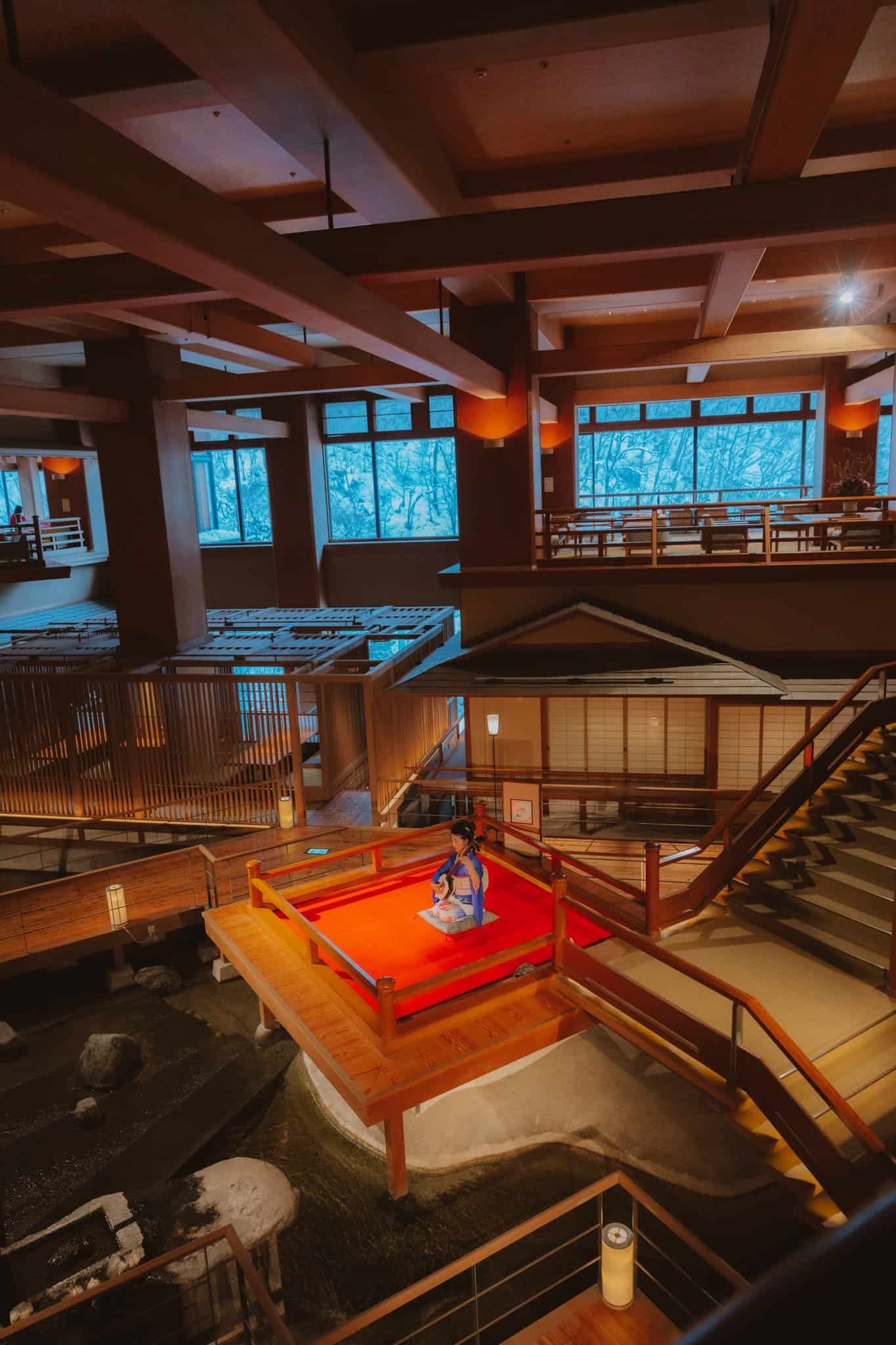
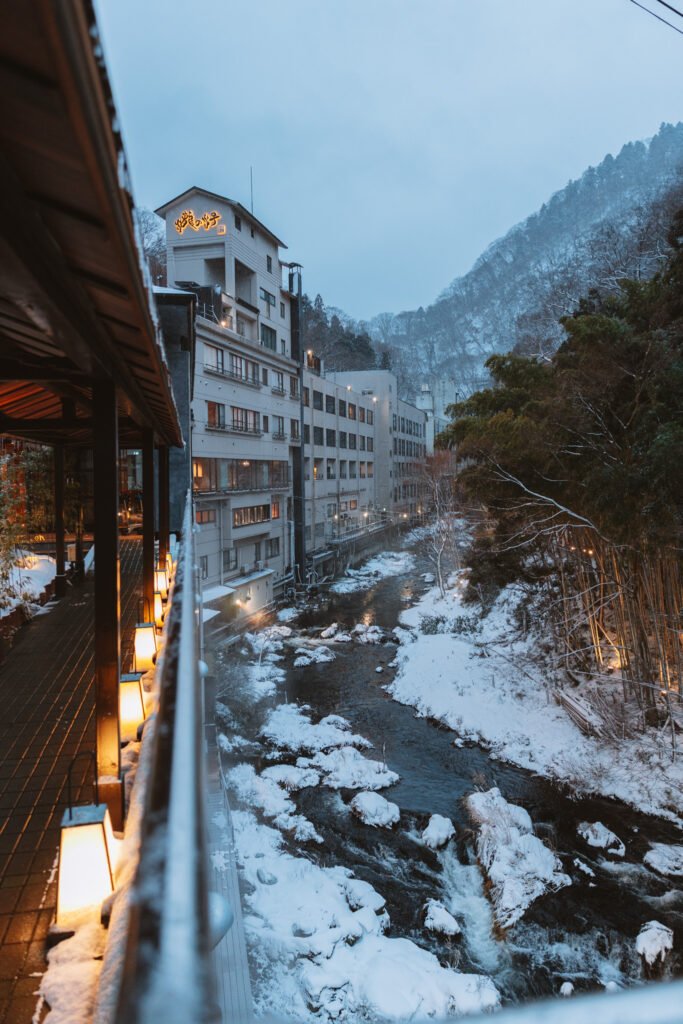
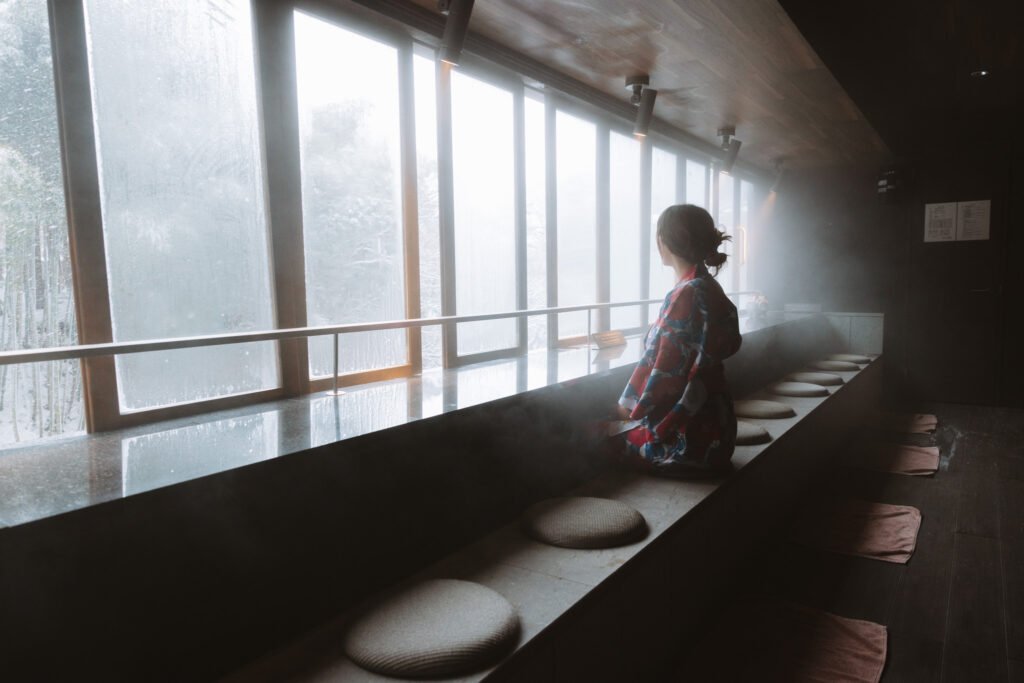
14. ANOTHER unique waterfall onsen hotel: Higashiyama Onsen – Shosuke No Yado
📍 Location: Higashiyama Onsen, Aizu
💰 Price Range: $$
🎨 Tattoo-friendly: No, Only in private onsen for an additional cost
👯 Mixed Gender: Gender seperated, Mixed footbaths and private baths
🔒 Private Bath: 6 private onsen slots sold for JPY3300 extra
I still can’t believe this unique waterfall onsen comes with 12+ hot springs, FREE beer, self-service ice cream, multiple sake bars, and a theatre built over the river for less than $200 a night!
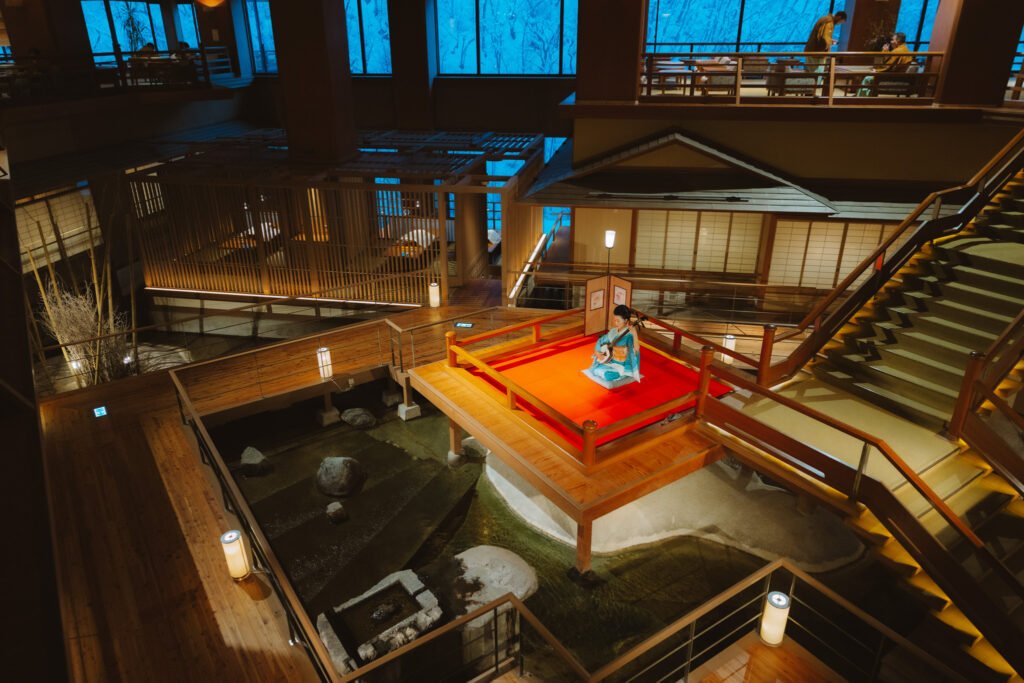
15. The Demon Slayer ‘Infinity Castle’ hotel: Aizu Ashinomaki Onsen – Ookawaso
📍 Location: Aizu
💰 Price Range: $$
🎨 Tattoo-friendly: No, Only in private onsen for an additional cost
👯 Mixed Gender: No
🔒 Private Bath: private onsen slots sold for JPY3300 extra
Most anime fans flock here to live out their Demon Slayer fantasies as the hotel is said to have inspired the iconic ‘Infinity Castle’. (I’ve never watched the show and even I can agree the ‘inspiration’ is undeniable)
BUT this is so much more than a simple anime stay with:
🎎 Daily live performances
🎤 including your very own at the Karaoke Bar
🍶 local sake machines
🍱 unbelievable traditional dining experiences
☃️ deep JaPOW in winter
⚔️ Kengido Samurai Class (a personal highlight/workout that i’m still sore from haha – more on this later)
🏞️ cliffside onsen with river views + private bookings available
👾 retro gaming room
and so much more waiting for you to explore!
See more on the official Ookawaso Website.
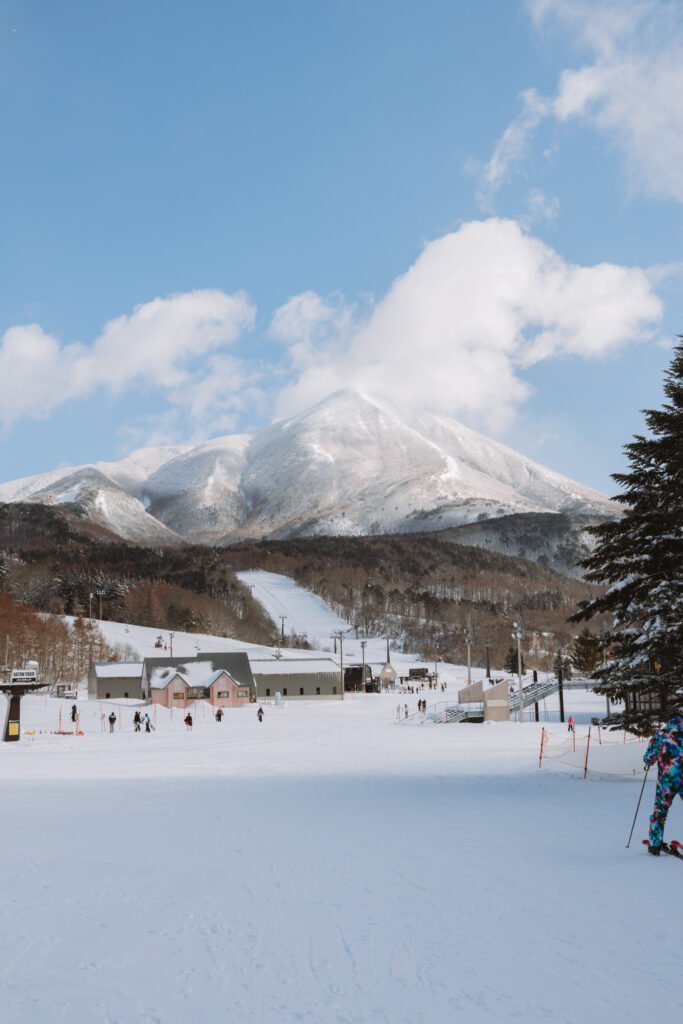
16. The best ski resort even if you’re terrible at skiing: Bandaisan Onsen Hotel (Nekoma Mountain)
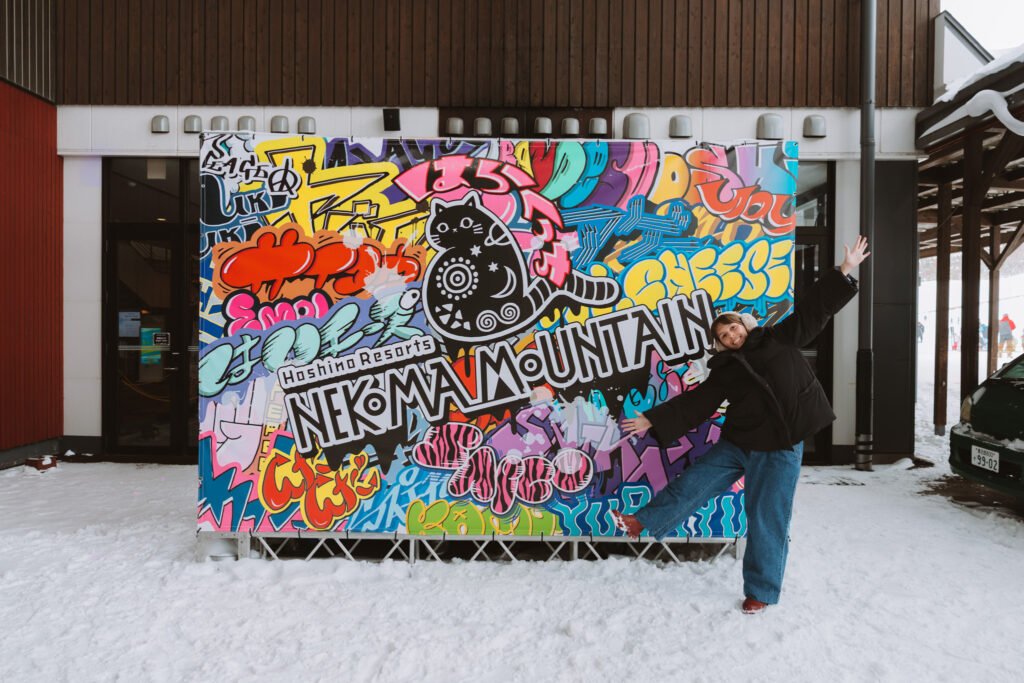
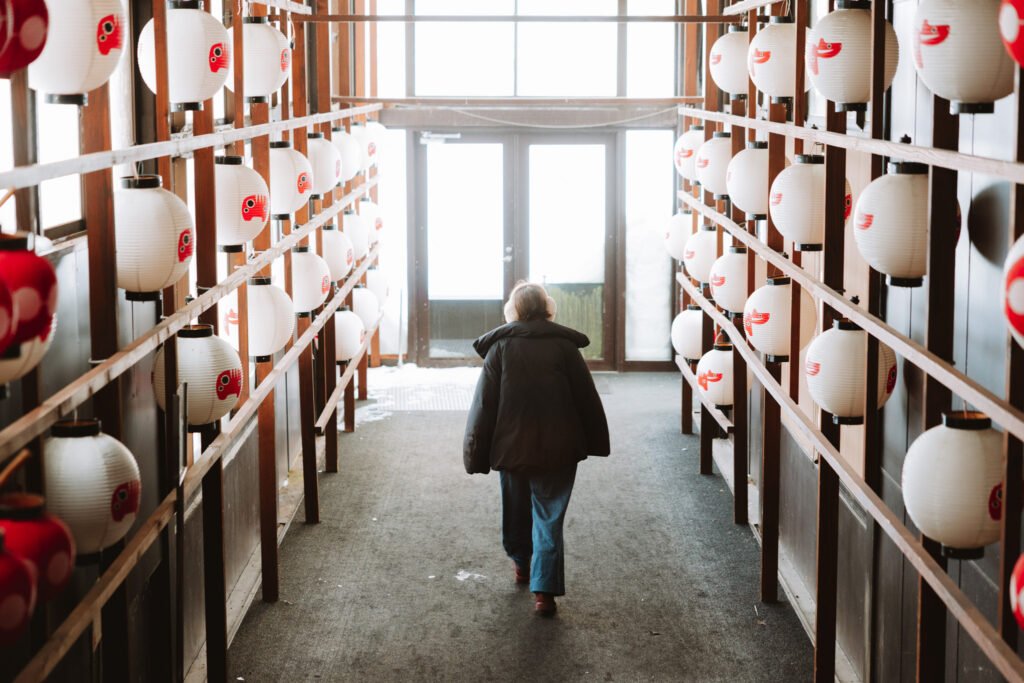
📍 Location: Nekoma Mountain, Aizu
💰 Price Range: $$
🎨 Tattoo-friendly: No
👯 Mixed Gender: No
🔒 Private Bath: No
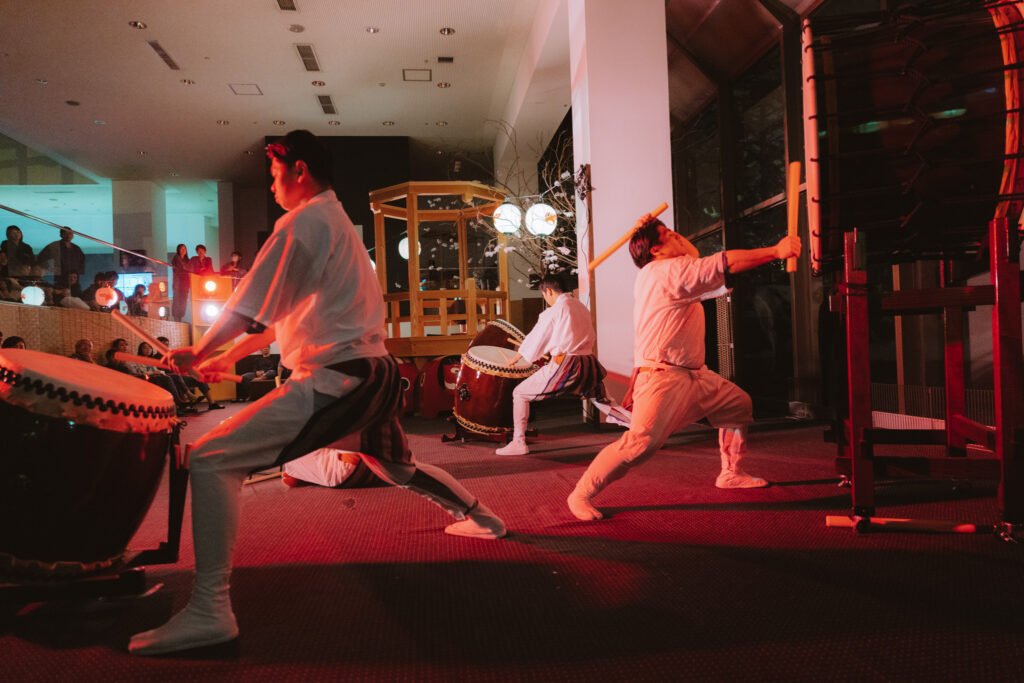
With recovery hot springs, more FREE BEER, the funkiest and insanely affordable gear rental, special Izakaya experience in town at no extra cost, painting our own Akabeko, nightly traditional drumming and dancing hosted by the Hoshino Resorts mountain staff, making ducks at the snow park and so much more to enjoy regardless of your ski ability, you will never be bored!
Alternate Nekoma Mountain Ski Resorts
En Resort Grandeco is another must-visit for skiers and snowboarders seeking long, wide runs, deep powder, and off-piste adventures in a less crowded setting. Similar to Hoshino Resorts, it offers modern lifts, rental facilities, and cozy onsen nearby, making it a perfect alternative to the more popular resorts while still delivering iconic JaPOW snow.
BONUS: Unique Winter experiences in Aizu
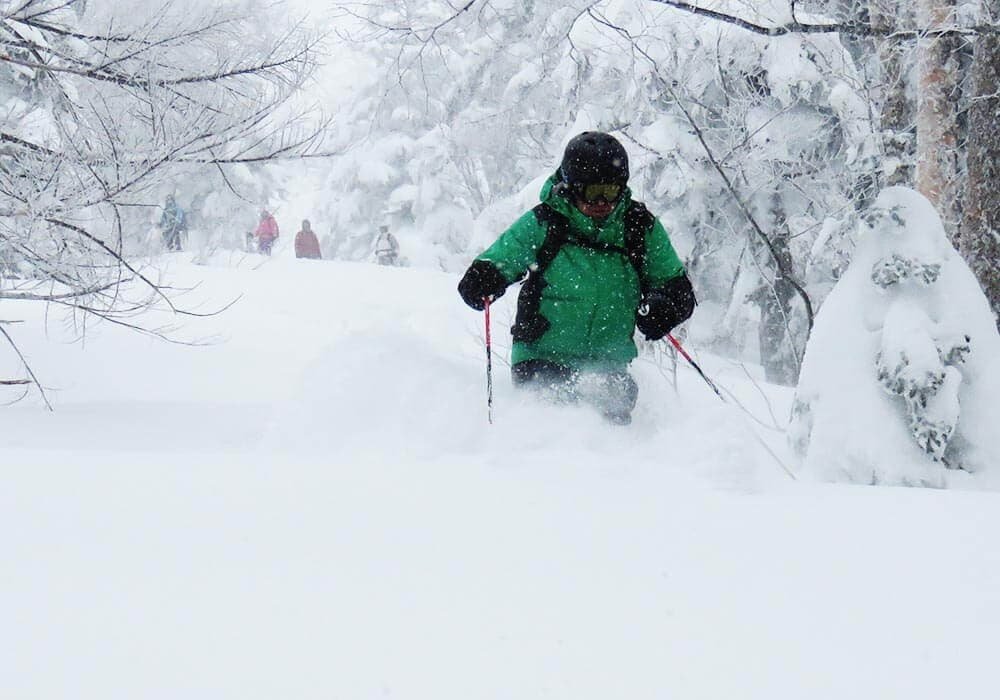
17. Untouched JaPOW with 37 ski lifts and 80 runs.
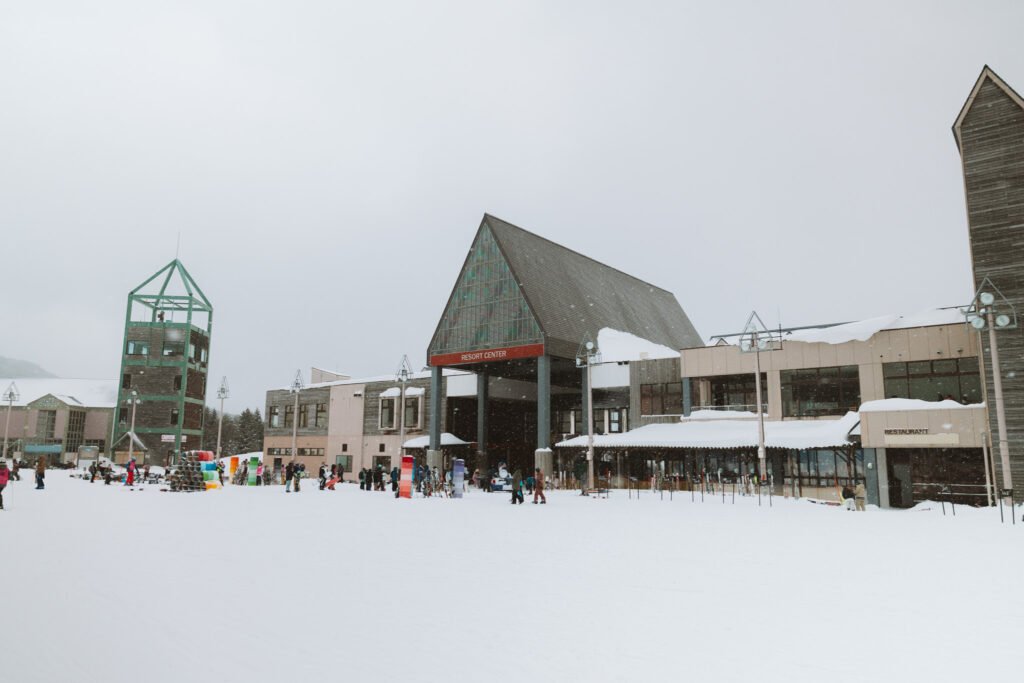
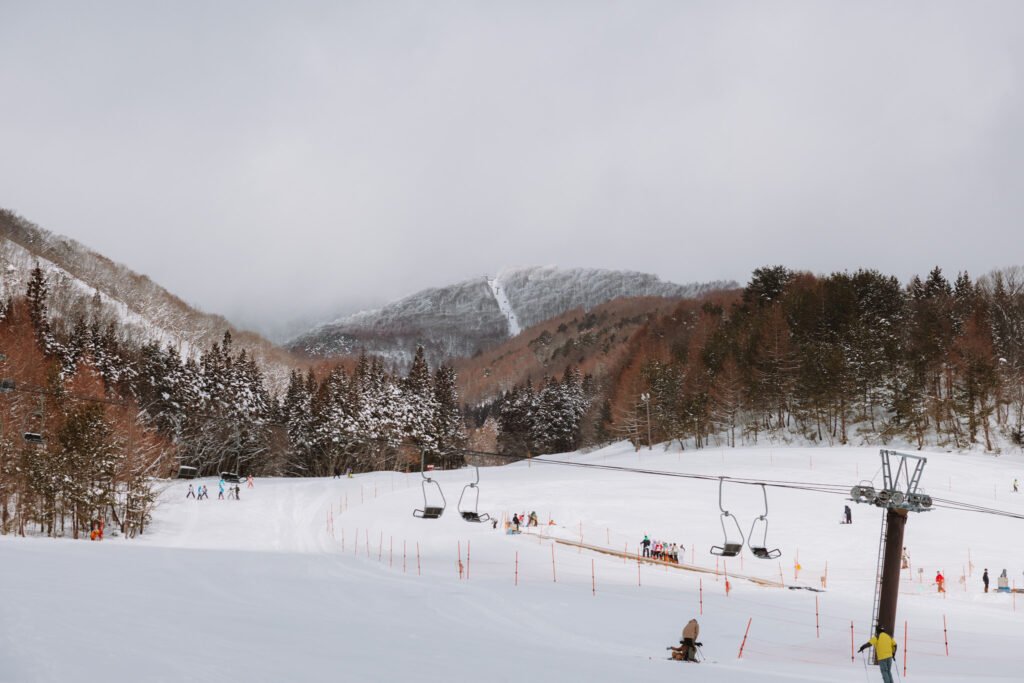
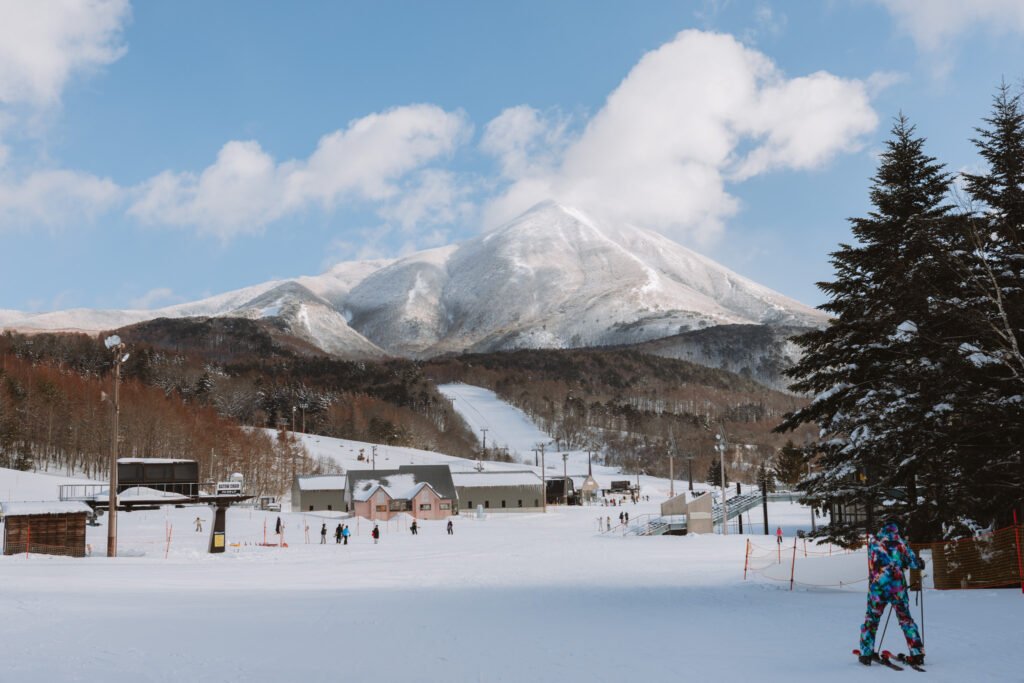
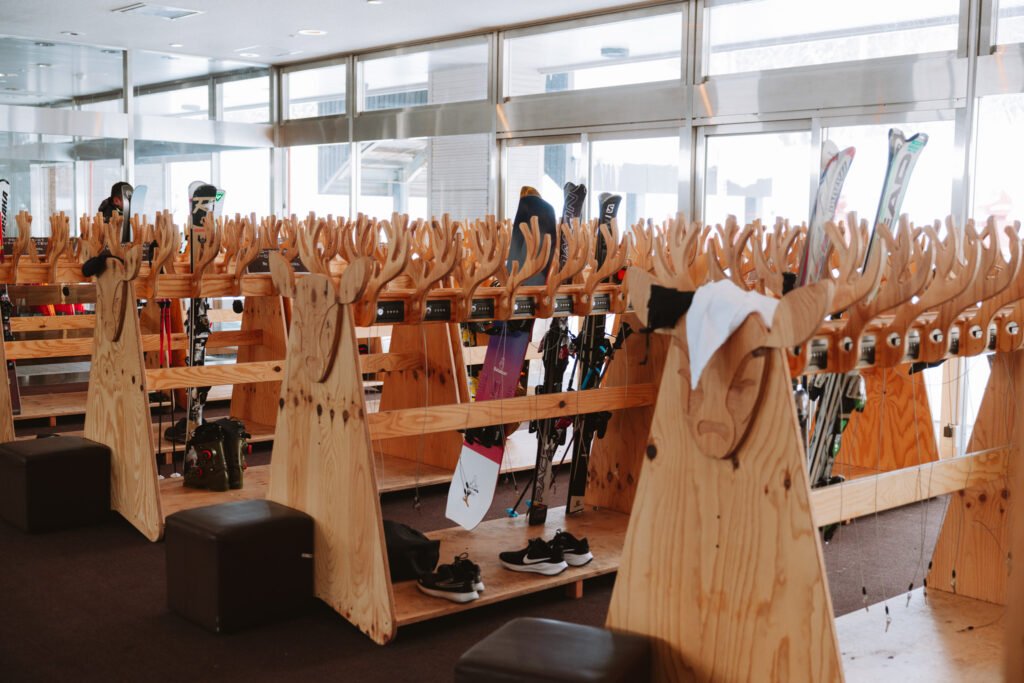
Welcome to Japan’s underrated ski paradise… even if you’re a terrible skier like me haha. With 37 lifts, 80 runs, and over 20 ski resorts, there is something for everyone just north of Tokyo!
With fewer crowds than Hokkaido or Nagano, it’s perfect for skiers and snowboarders seeking pristine slopes, local onsen, and authentic Japanese mountain culture. And while I may be too painfully uncoordinated to show off the unique deep snow Tree Run Zones, it’s hard to deny that this is an untouched snow paradise.
Learn more from the experts at Discover Aizu.
📍 Where to ski in Aizu
Firstly, if you need to learn how to ski before figuring out where to, I highly recommend Sora Snow international ski lessons!
Back to it… Aizu offers several top ski spots for all levels:
- NEKOMA Mountain – Family-friendly with ski-in restaurants and powdery slopes.
- Iimori Snow Park – Great for beginners and snowboarders, with scenic mountain views.
- Alts Bandai – Wide runs, excellent powder, and easy access to local onsen.
- Hinoemata & Minamiaizu Slopes – Smaller resorts with uncrowded trails and authentic rural vibes.
Best Aizu Ski Resorts
Aizu, Japan
Aizu, Japan
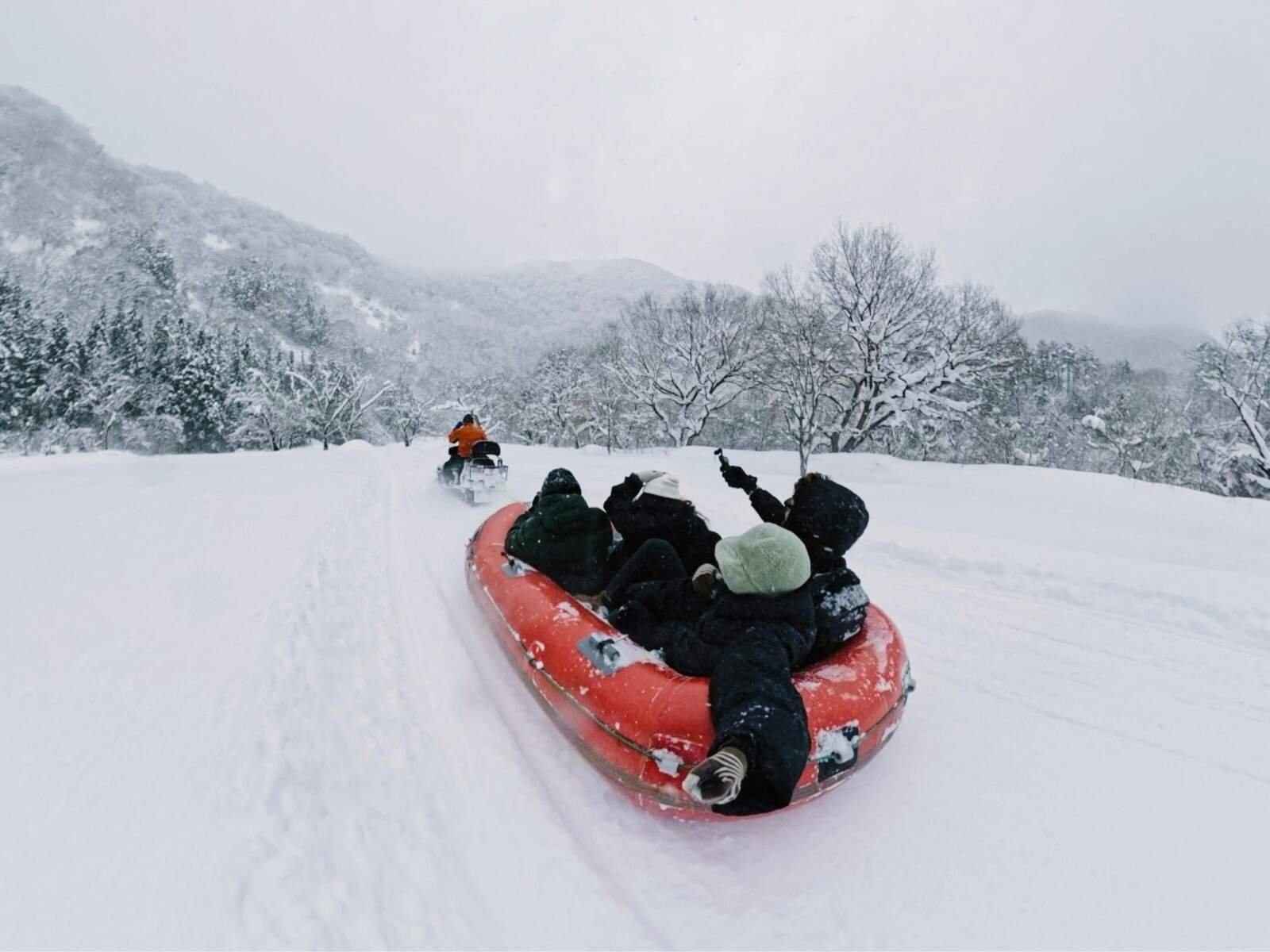
18. Snow Rafting at Ashinomaki Snow Park
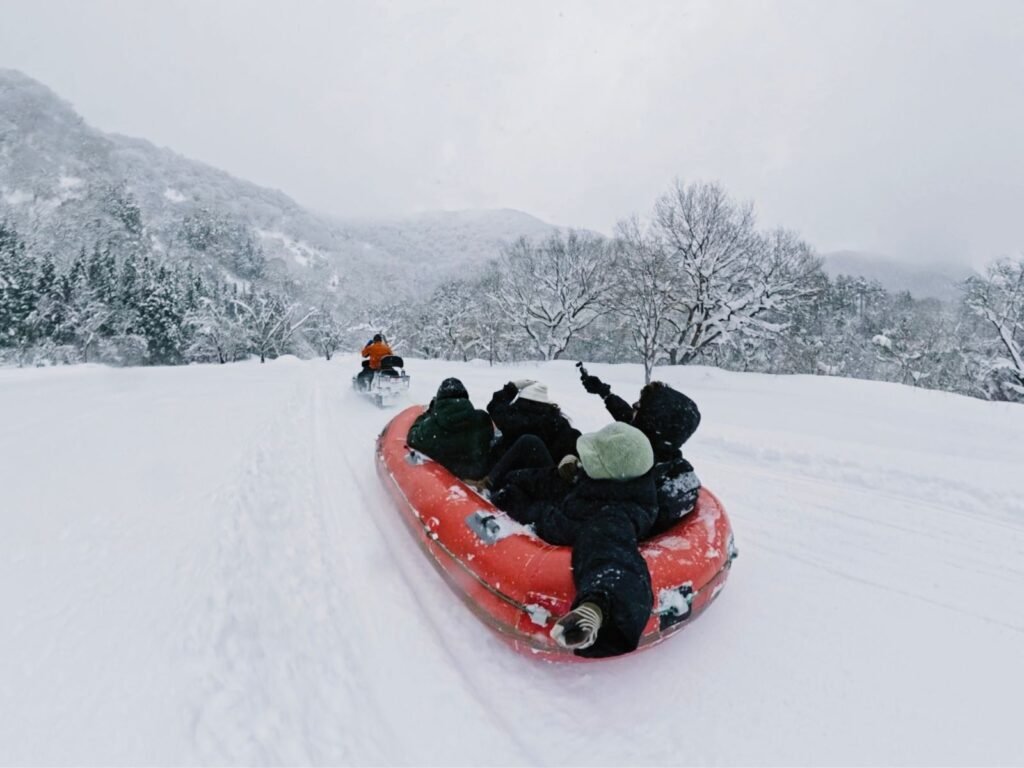
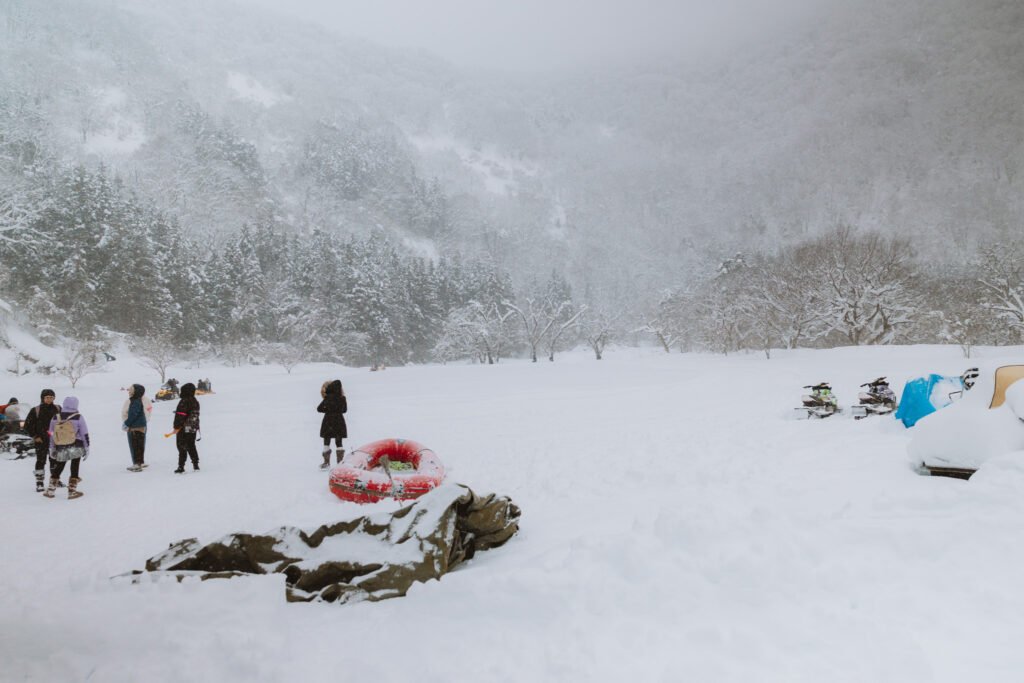
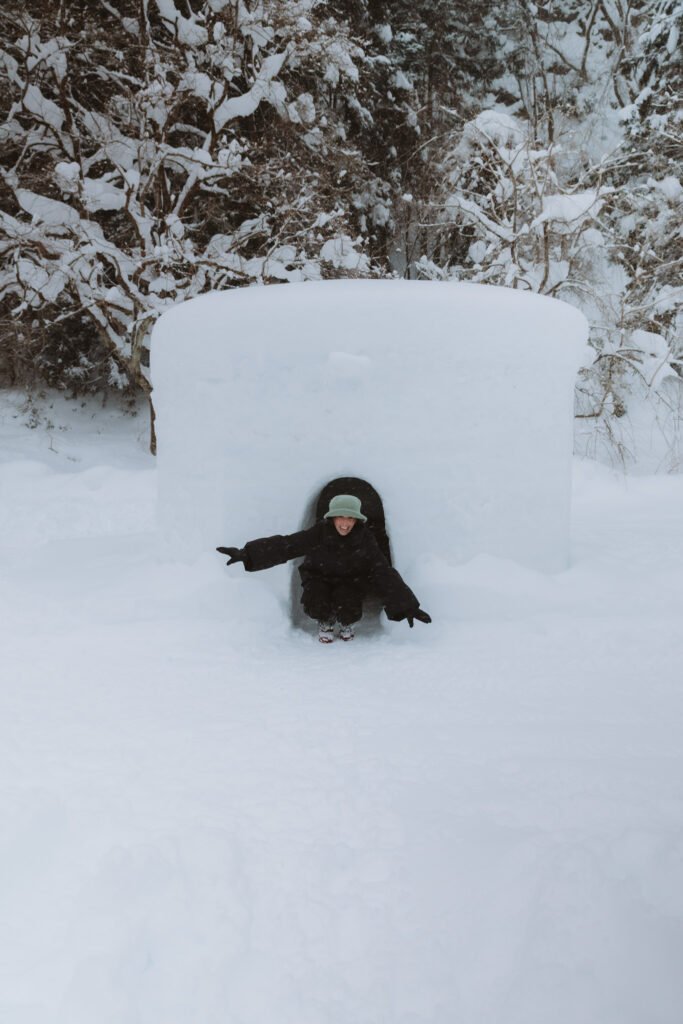
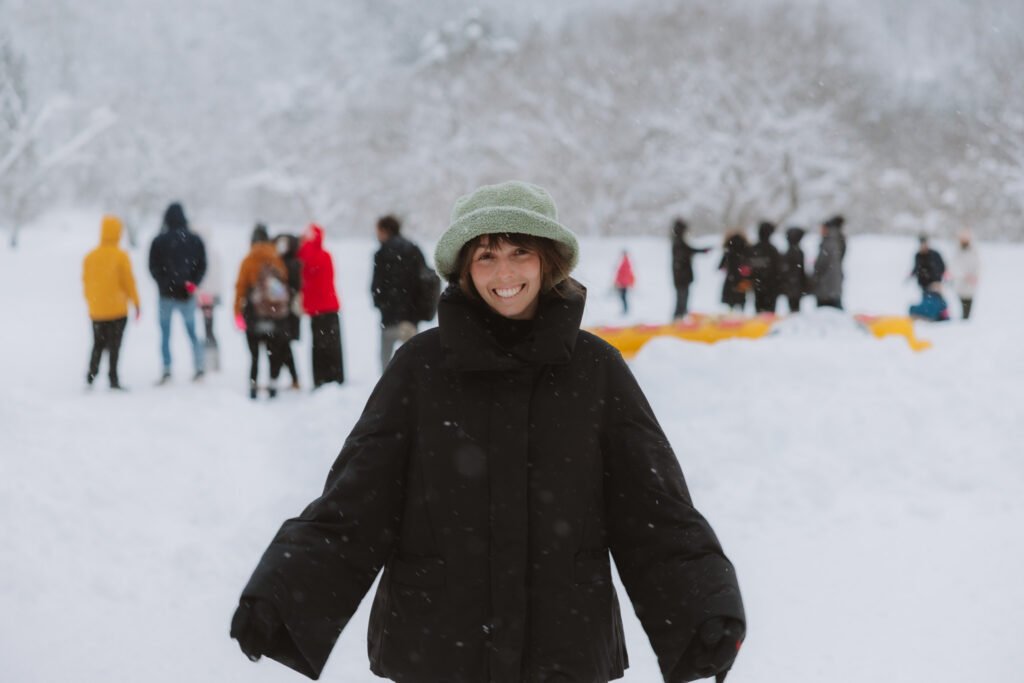
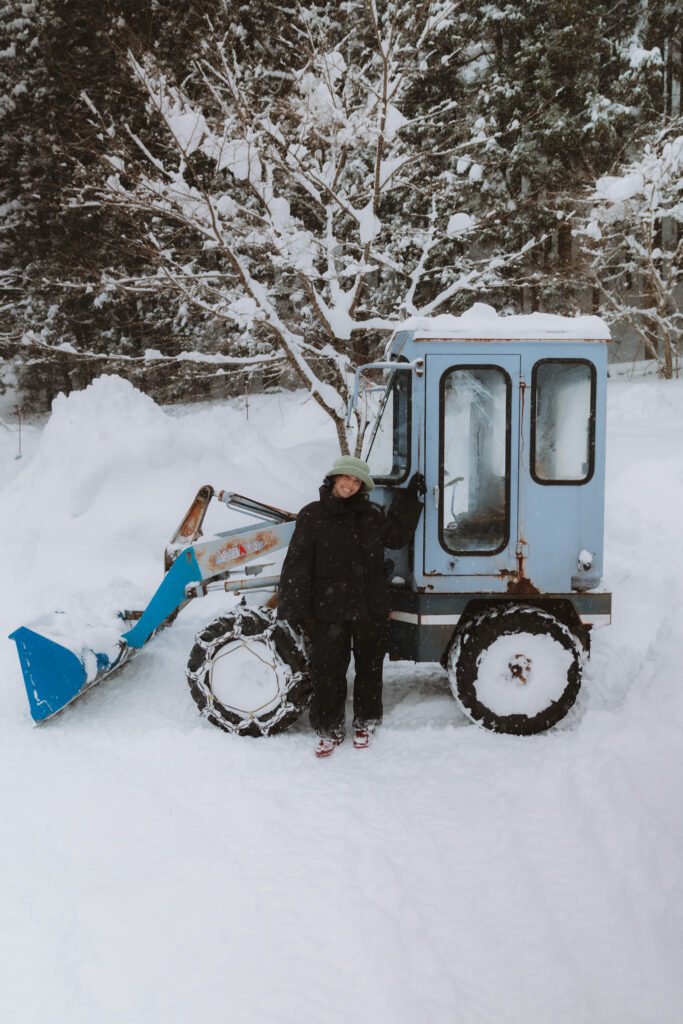
A snow park set up by local tourism to bring more community and engagement to the region, and I say they are doing a great job of it!
About the Ashinomaki Snow Park
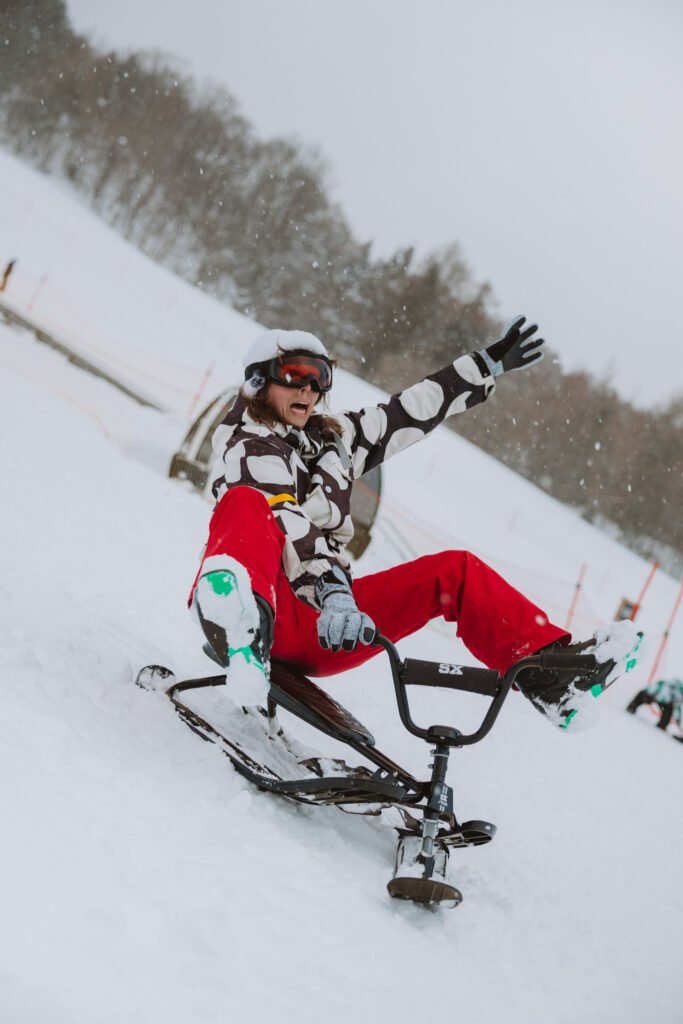
This winter special is set up with snowmobiles, banana boats, snow rafting (a favourite of mine), sledding and even a Kamakura/Igloo for the most fun side quest in Aizu.
Fun for the whole family at only 1000JPY per adult and even cheaper OR FREE for kids. What many assume is just a kid’s park is actually fun for the whole family.
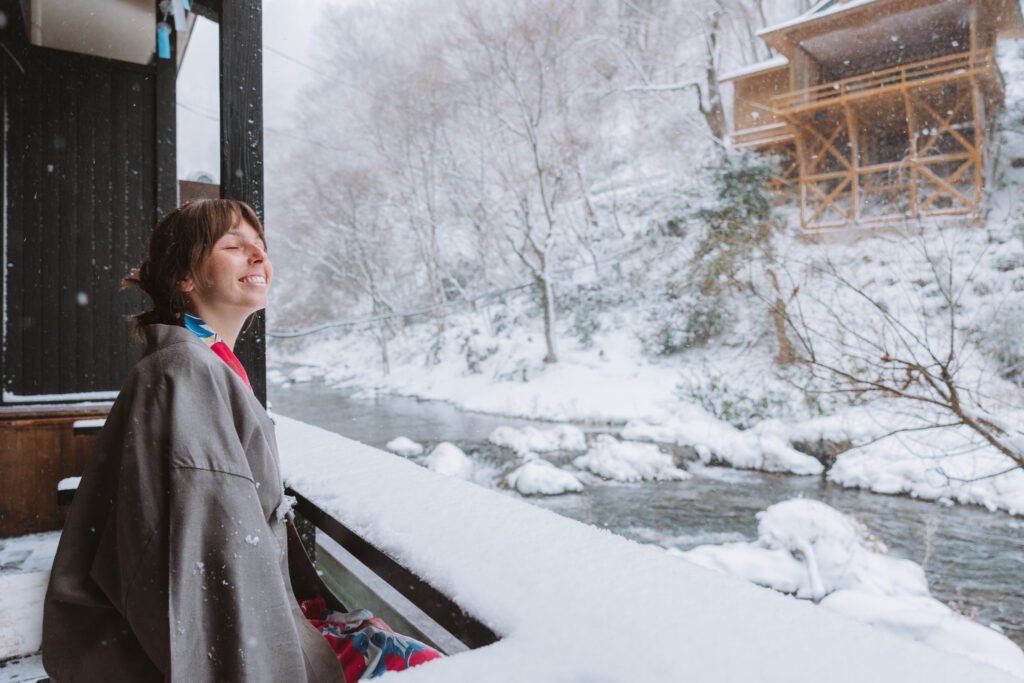
19. There’s nothing like an Onsen in the snow
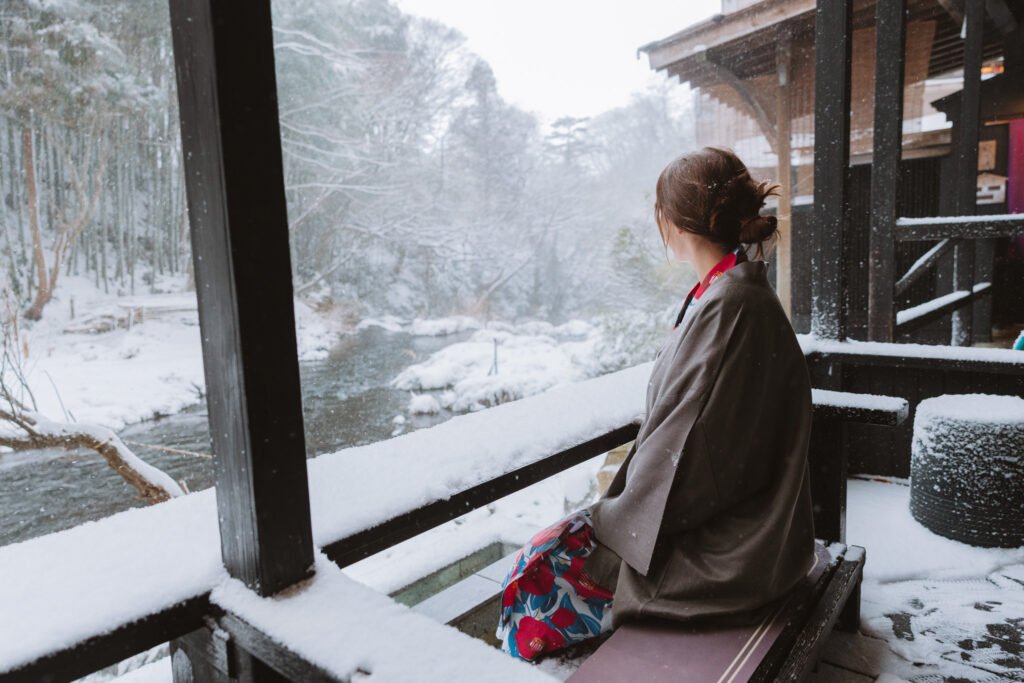
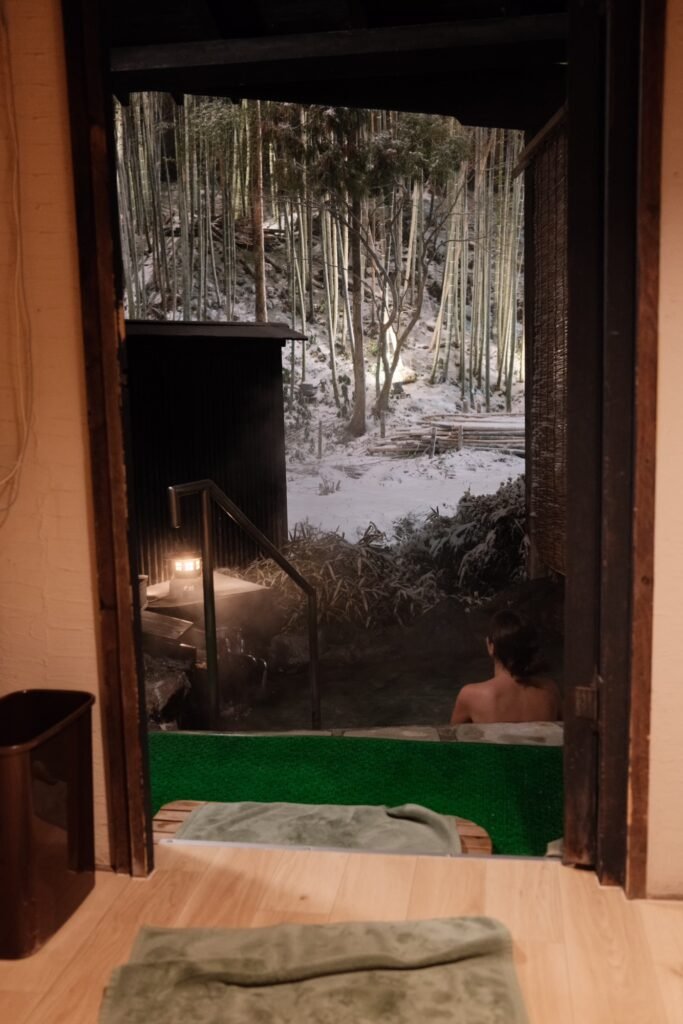
The best winter onsens in Aizu
- Higashiyama Onsen – Historic Riverside Onsen Town (Aizu-Wakamatsu, Fukushima)
- Shosuke no Yado Takinoyu – Riverfront Rotenburo Baths (Higashiyama Onsen, Aizu)
- Ashinomaki Onsen – Snowy Mountain Gorge Hot Spring Town (Aizu, Fukushima)
- Okawaso – Dramatic Open-Air Baths Overlooking the Okawa River (Ashinomaki Onsen, Aizu)
- Marumine Kanko Hotel – Riverside Outdoor Baths with Snow Views (Ashinomaki Onsen, Aizu)
- Fujinoyu – Traditional Public Bathhouse with Local Atmosphere (Higashiyama Onsen, Aizu)
- Mukaitaki – Registered Cultural Property Ryokan with Classic Winter Setting (Higashiyama Onsen, Aizu)
- Harataki – Cliffside Rotenburo with River Snow Scenery (Higashiyama Onsen, Aizu)
Is Aizu worth visiting? My personal experience and brutally honest recap
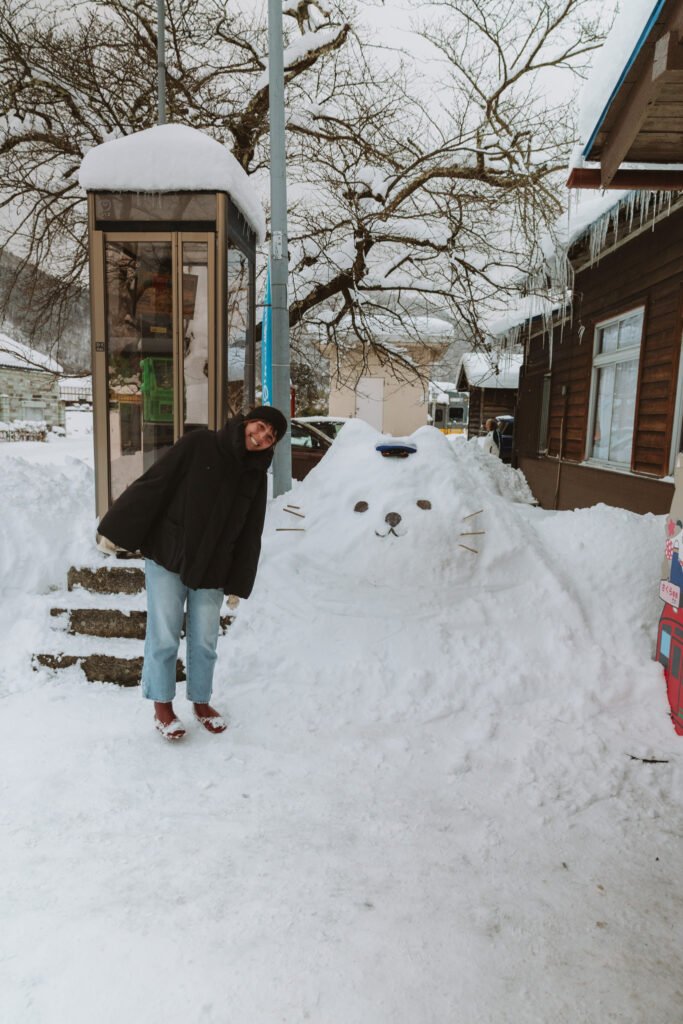
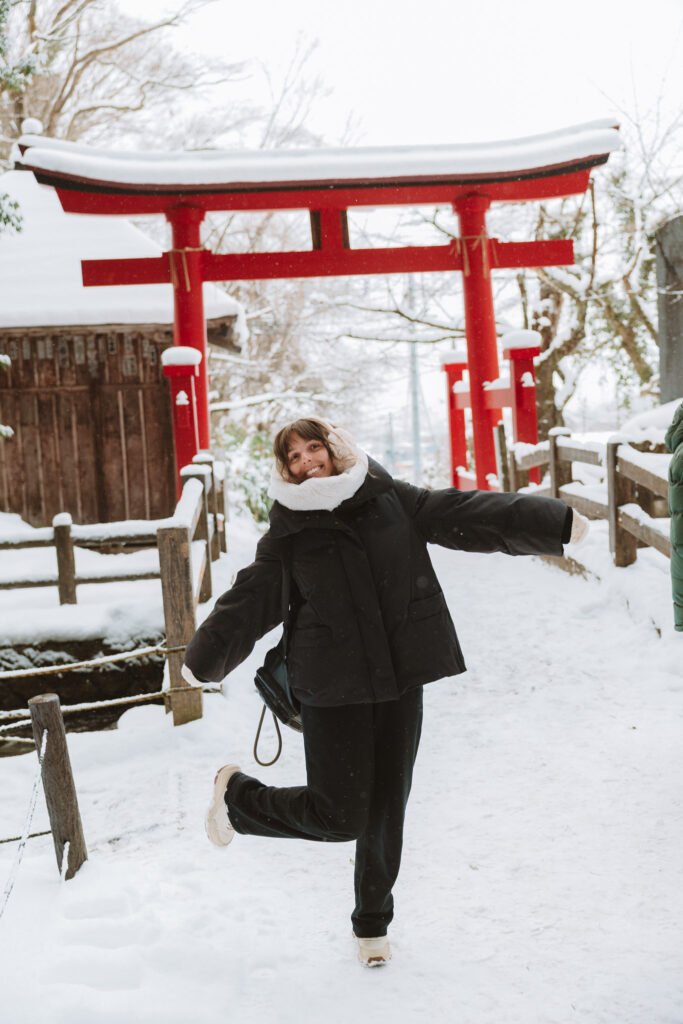

Like most foreigners, Aizu never popped up on the usual Japan travel radar, but that is exactly why I fell in love with it.
Aizu remains true and proud of its history, crafts, landscapes and cuisine, without trying to force itself to completely adapt to tourist needs. It simply invites you in to experience its true self and immerse in the samurai spirit.
With such easy access from Tokyo, so much to do and more surprises than you can even imagine, I can not recommend Aizu enough, especially as an underrated winter paradise.
I’d even go as far to say that it has jumped to be one of my favourite regions in all of Japan!
Keep Planning Your JapAdventures:
Unique 2 Weeks in Japan Itinerary: My 14 Day Beyond the Golden Route Itinerary
My Ultimate Japan Guide: 33 Unique Things To Do in Japan
Discover Japan’s Best Onsens: 18 Unique Onsen Hotels in Japan
Looking for tattoo-friendly onsen: Tattoo-friendly Onsen Hotels in Japan I would stay again + 3 I wouldn’t
Where to find the unique waterfall onsen: The Complete Guide to Amagiso Odaru Onsen
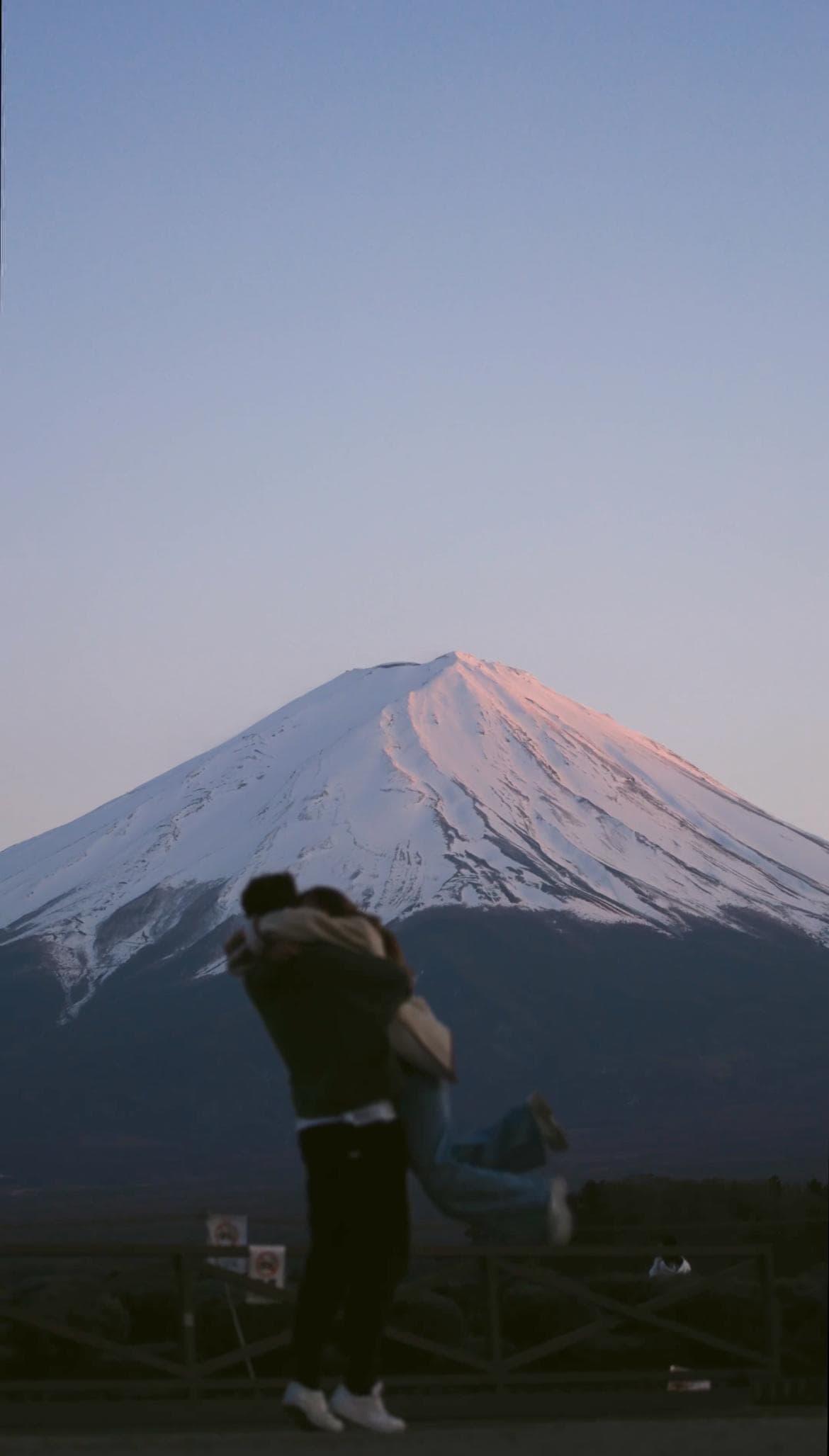
Avoid the crowds at Mt Fuji: 5 Unique Mt Fuji Photo Spots
Is Tokyo Disneyland Worth Visiting: Your Tokyo Disney Survival Guide
What about Universal Studios Japan: My Brutally Honest Guide to USJ
Your mini Japan Survival Guide: where to book, what NOT to do and how to save money
Japan

Mt Fuji Japan
Osaka, Japan

Accommodation: Japan hotel prices and availability greatly vary across booking platforms. I will always bounce between these few:
Booking.com
Agoda
Trip.com
Klook
Language: You should always try to learn the basics of the language of any country you visit. Simply the basics like Hello, Yes and Thank you will take you a long way. Matched with Google Translate, you will have no problem getting around.
Trains: Ever since the JR Rail Pass prices spiked, I find it best to book individual tickets via Klook
Rental Cars: We book our car rentals via Klook and almost exclusively look for NIPPON Rent-a-car locations. I’ve also heard good things about the new Booking.com car rental platform.
Activities, Tours, Theme Parks…: Again, Klook is truly your bestie in Japan. In fact, I wrote a whole darn‘Is Klook legit?’ guide about it
Japan Travel FAQs
Do I need cash in Japan?
While Japan is increasingly card-friendly, cash is still king. It’s wise to carry around ¥10,000–¥20,000 in cash. ATMs at 7-Eleven, Lawson, and post offices are the best for foreigners!
Best Japan eSIM
I’ve trialled a wide range of eSIMs in Japan, and these are my top picks:
Klook eSIMs (my go-to) – Klook have a range of eSIMs, even connected to some of the big guns like Airalo directly through the platform. The best value one we have found is Japan Data eSIM from NTT docomo / Sakura Mobile
Pangia Pass (the long trip dream set up with unlimited data) –
Unlimited Data in 105 Countries for a set month price without the need to constantly set up via QR codes and change countries.
Use code DONUT to save 10% off.
Is Japan Safe?
Japan is one of the safest countries in the world for travellers but like anywhere you travel, it ultimately comes down to common sense and research.
Regardless, travel remains unpredictable from getting sick to natural disasters, so I ALWAYS recommend getting travel insurance.
Klook.comOf course, if you ever have any questions or are feeling extra nosy and want more in-depth insight, do not hesitate to comment below, email me or DM @wanderingdonut ♡
BONUS Discounts


My Go-To Travel Resources